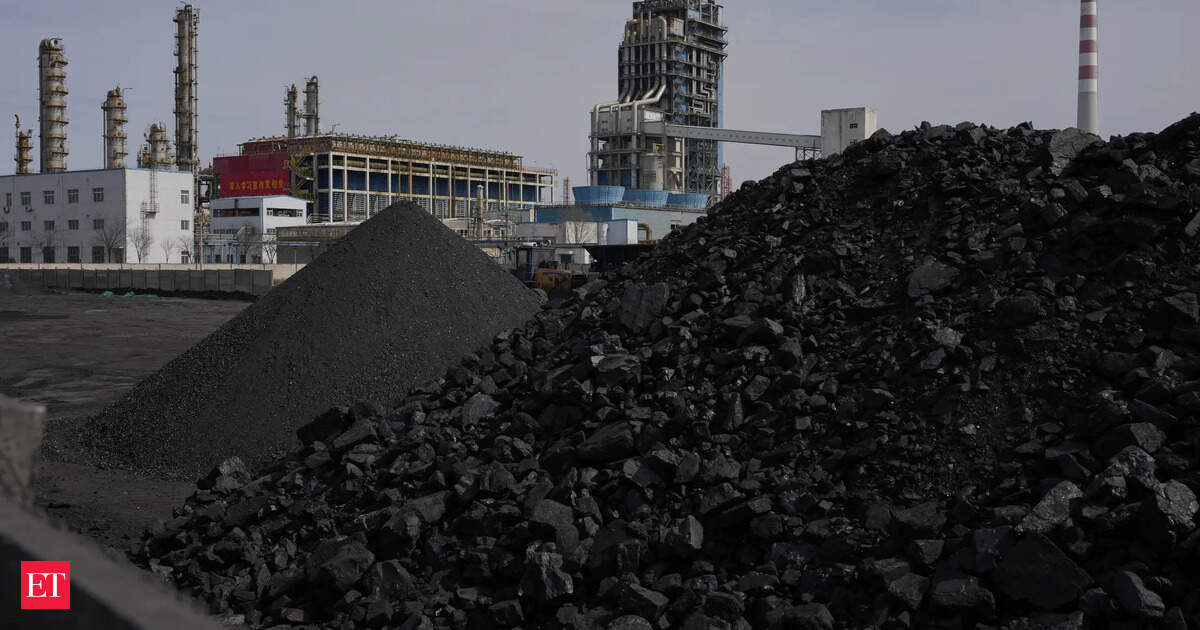
India reached a record high for renewable power generation in 2025, marking a shift in the nation's energy production profile. Solar and wind power assets drove this expansion, each setting individual output records that contributed to a measurable decline in coal-fired generation. While the growth in clean energy capacity is significant, coal continues to serve as the primary source of electricity for the country.
Renewable Capacity and Grid Integration
The surge in renewable generation reflects a broader trend toward diversifying the energy mix in one of the world's largest power markets. By prioritizing solar and wind, the sector is attempting to reduce reliance on thermal power plants that have historically underpinned the grid. This transition is not merely a policy objective but a structural change in how power is sourced and distributed across the subcontinent. The ability of the grid to absorb this intermittent supply remains a critical factor in maintaining stability as the share of renewables grows.
The Persistence of Thermal Power
Despite the record-breaking performance of clean energy, coal remains the cornerstone of India's energy landscape. The reliance on coal is tied to the need for baseload power that can meet consistent demand levels throughout the day. The decline in coal generation is a notable development, yet the scale of existing thermal infrastructure ensures that coal will remain a dominant force in the near term. The interplay between these two sources will dictate the pace of future energy investments and the overall cost of electricity for industrial and residential consumers.
AlphaScala data currently tracks various sectors for performance trends, including technology and healthcare, as seen on the NOW stock page and A stock page. While these sectors operate independently of the energy market, they provide a benchmark for how capital is allocated across different global industries. Investors often monitor these shifts to gauge the health of broader stock market analysis and to understand how regional energy policies affect industrial operating costs.
The next concrete marker for this narrative will be the release of updated grid capacity reports and subsequent fiscal budget allocations for energy infrastructure. These filings will clarify whether the current decline in coal generation is a temporary fluctuation or the beginning of a sustained structural transition. Observers should also monitor updates on battery storage projects, as these will be essential for managing the volatility inherent in a grid increasingly reliant on solar and wind inputs.