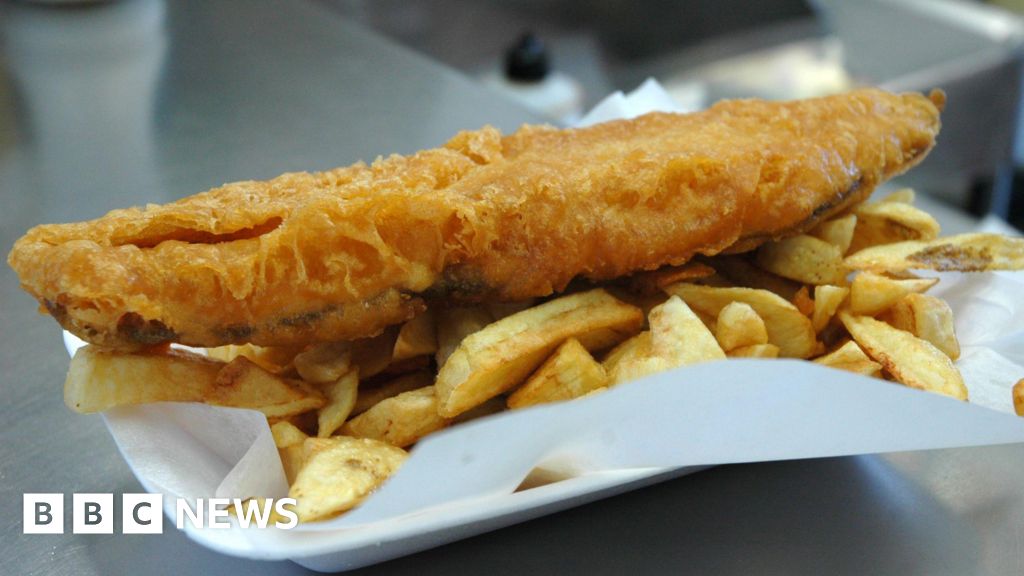
A recent investigation has identified a widespread practice among UK chip shop operators involving the substitution of premium white fish with lower-cost alternatives. The findings suggest that species such as pangasius, a type of catfish, are being marketed and sold to consumers as traditional cod or haddock. This discovery highlights a significant gap in supply chain transparency and regulatory oversight within the domestic food service industry.
Impact on Consumer Trust and Pricing Models
The mislabeling of seafood products creates a disconnect between the price paid by the consumer and the actual commodity value of the meal. When operators substitute high-value species with cheaper, imported alternatives, they effectively inflate their margins at the expense of product authenticity. This practice risks eroding the brand equity of the traditional fish and chip sector, which relies heavily on the perceived quality and origin of its primary ingredients.
For the broader consumer cyclical sector, such revelations often lead to increased scrutiny from food safety authorities and trade associations. Companies operating within this space must now contend with potential reputational damage and the possibility of stricter labeling requirements. The reliance on imported, lower-cost species to manage food inflation pressures is a common strategy, but the failure to disclose these substitutions represents a failure in operational ethics.
Regulatory Oversight and Supply Chain Transparency
The investigation underscores the difficulty of maintaining ingredient integrity in fragmented retail markets. Unlike large-scale technology or manufacturing firms that utilize sophisticated tracking systems, the independent food service sector often operates with less visibility into the provenance of raw materials. This lack of traceability allows for the substitution of species without immediate detection by the end consumer.
- Increased potential for regulatory audits of seafood sourcing practices.
- Heightened consumer awareness regarding menu transparency.
- Potential for industry-wide shifts toward verified supply chain documentation.
AlphaScala data currently reflects a mixed outlook for various consumer-facing entities, including AS stock page, which maintains an Alpha Score of 47/100. Similarly, SHOP stock page holds an Alpha Score of 43/100, reflecting the broader volatility inherent in consumer-sensitive sectors. While these firms operate in different industries, the underlying theme of managing consumer expectations remains a core component of their stock market analysis.
The next concrete marker for this issue will be the response from food safety regulators regarding potential enforcement actions or updated labeling guidelines. Any move toward mandatory disclosure of fish species on menus would force a structural change in how these businesses manage their inventory costs and pricing strategies. Industry participants will need to monitor whether this investigation leads to a broader shift in procurement standards or if it remains a localized issue of compliance.