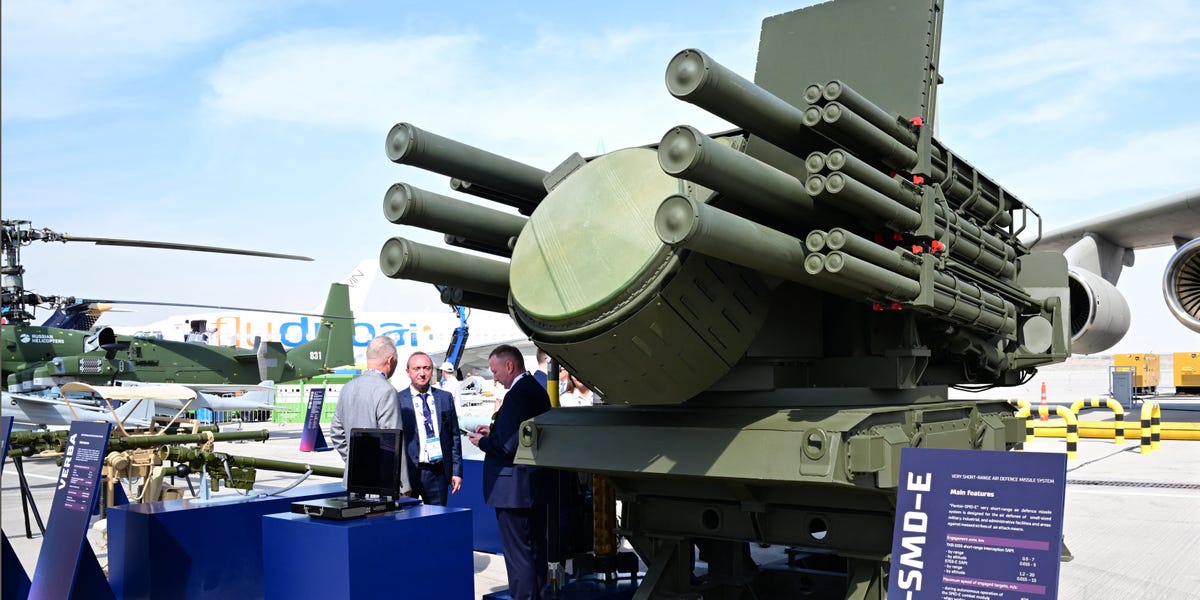
The strategic landscape of the conflict in Ukraine has shifted toward a focus on industrial capacity as reports emerge of critical shortages in Russian air defense missile stockpiles. Oleksandr Syrskyi, the commander in chief of Ukraine's military, stated that Moscow is struggling to maintain the inventory levels required to counter the increasing volume of drone strikes. This assessment points to a potential vulnerability in Russian defensive depth, suggesting that the attrition of high-end interceptors is outpacing domestic production or procurement capabilities.
Industrial Attrition and Defensive Depth
The reliance on sophisticated air defense systems to neutralize low-cost aerial threats has created a resource mismatch. If Russia is indeed depleting its missile reserves to engage drones, the cost-per-intercept ratio becomes unsustainable for a long-term campaign. This dynamic mirrors broader challenges in the defense sector where the rapid deployment of autonomous systems forces a re-evaluation of traditional military hardware lifecycles. The inability to replenish these specific munitions at the rate of consumption could force a tactical pivot, potentially leaving higher-value assets exposed to aerial surveillance or direct strikes.
This development highlights the broader strain on global defense supply chains. While firms like ON Semiconductor Corporation continue to navigate the complexities of power management and sensor integration for modern hardware, the broader defense industrial base faces the reality of component scarcity. The situation in Ukraine serves as a live-fire test for the sustainability of current military inventories, moving the focus from battlefield maneuvers to the underlying manufacturing output of the combatants.
Strategic Implications for Regional Security
The reported shortage suggests that the technological advantage in air defense is being eroded by the sheer volume of asymmetric threats. For observers of stock market analysis, the narrative is no longer just about the efficacy of individual weapons systems but about the resilience of the logistical tail supporting them. If the current trend persists, the resulting gap in air coverage could alter the operational tempo of the entire theater.
AlphaScala data currently tracks various sectors for volatility and performance. In the consumer space, Lowe's Companies Inc. maintains a Mixed Alpha Score of 44/100, while Hasbro, Inc. remains Unscored, reflecting the diverse pressures across different industrial and consumer segments. These metrics underscore the difficulty of maintaining consistent output in an environment defined by supply chain friction.
The next concrete marker for this narrative will be the observed frequency of successful drone penetrations against previously protected Russian logistics hubs. Any sustained increase in these incidents will confirm the severity of the reported missile shortages and necessitate a reassessment of the defensive posture in the region. Monitoring the subsequent adjustments in Russian military procurement filings or shifts in deployment patterns will provide the necessary evidence to determine if this is a temporary bottleneck or a systemic failure in their defensive infrastructure.