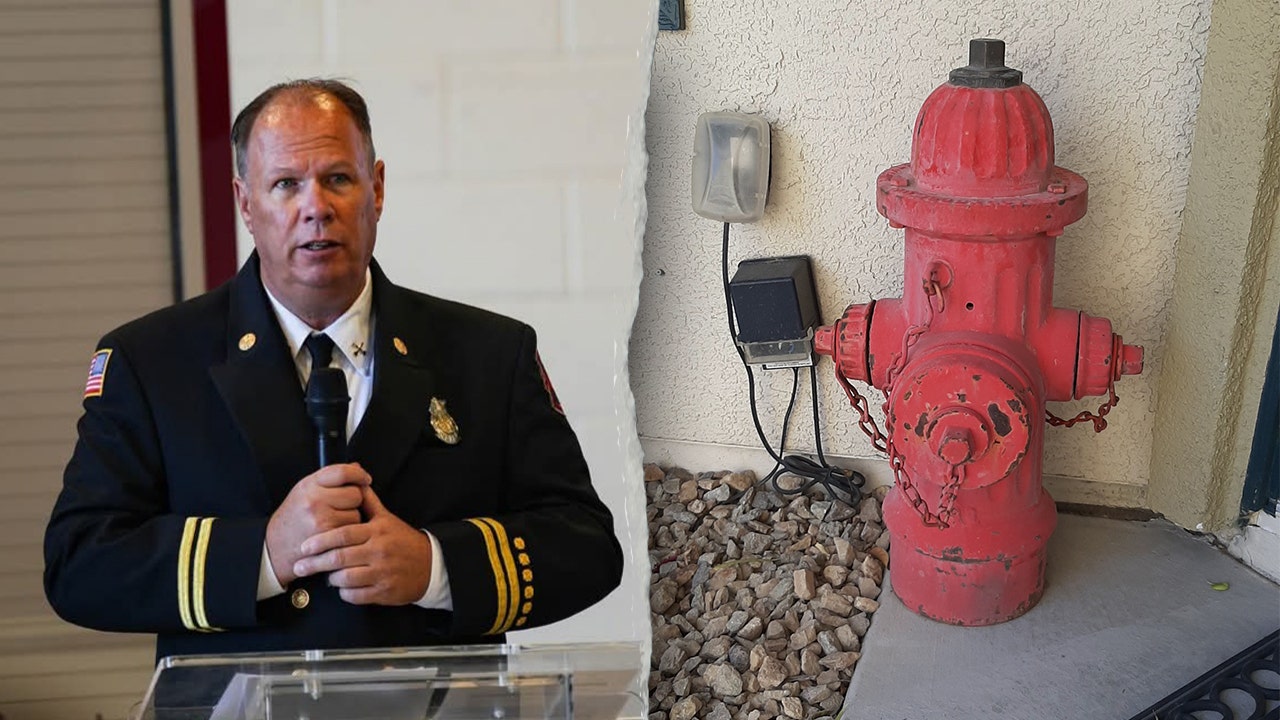
The recent dispute involving a Las Vegas veteran and his homeowners association over the display of vintage fire hydrants highlights the intersection of private property regulation and the secondary market for fire safety equipment. While the conflict is localized, it underscores the broader challenges regarding the maintenance and disposal of industrial-grade firefighting hardware. These vintage units are often sourced from municipal surplus or private collections, creating a niche demand for authentic, decommissioned fire safety components.
Regulatory Hurdles and Secondary Market Supply
The supply of vintage fire hydrants is largely dictated by municipal infrastructure upgrades and the decommissioning of older water distribution systems. When local governments replace aging infrastructure, these units enter the secondary market through auctions or private sales. However, the regulatory environment governing these items is increasingly complex. Homeowners associations and municipal zoning boards often impose strict aesthetic or safety standards that restrict the placement of such hardware on residential properties. This creates a friction point where the historical value of the equipment conflicts with modern residential compliance standards.
Industrial Demand and Infrastructure Maintenance
Beyond residential displays, the broader fire safety market remains sensitive to the availability of durable, high-quality components. The maintenance of fire suppression systems requires a steady flow of parts that meet rigorous safety standards. When regulatory bodies or HOAs limit the visibility or presence of fire safety equipment, it can inadvertently influence the perception of these items as decorative rather than functional assets. The following factors currently influence the market for fire safety hardware:
- Municipal budget cycles for infrastructure replacement.
- Compliance standards for private property fire suppression systems.
- The availability of specialized parts for legacy water distribution networks.
As municipalities continue to modernize their water grids, the volume of decommissioned equipment entering the market is expected to fluctuate. This supply is often tied to the pace of urban development and the replacement schedules of aging utility networks. For those involved in the procurement of safety equipment, the primary concern remains the ability to source certified components that comply with current safety codes.
AlphaScala Market Context
While this dispute centers on residential aesthetics, it reflects the broader regulatory pressures facing the healthcare and industrial sectors that rely on specialized equipment. For instance, companies like Agilent Technologies, Inc. (A stock page) must navigate complex compliance environments to maintain their market position. Agilent currently holds an Alpha Score of 55/100, reflecting a moderate outlook within the healthcare sector. The next concrete marker for this market will be the upcoming municipal infrastructure audit, which will determine the volume of surplus equipment scheduled for release into the secondary market. Investors and stakeholders should monitor these procurement schedules to gauge the future supply of industrial-grade components. As regulatory bodies refine their oversight of private property, the ability to integrate legacy equipment into modern environments will remain a critical point of contention.