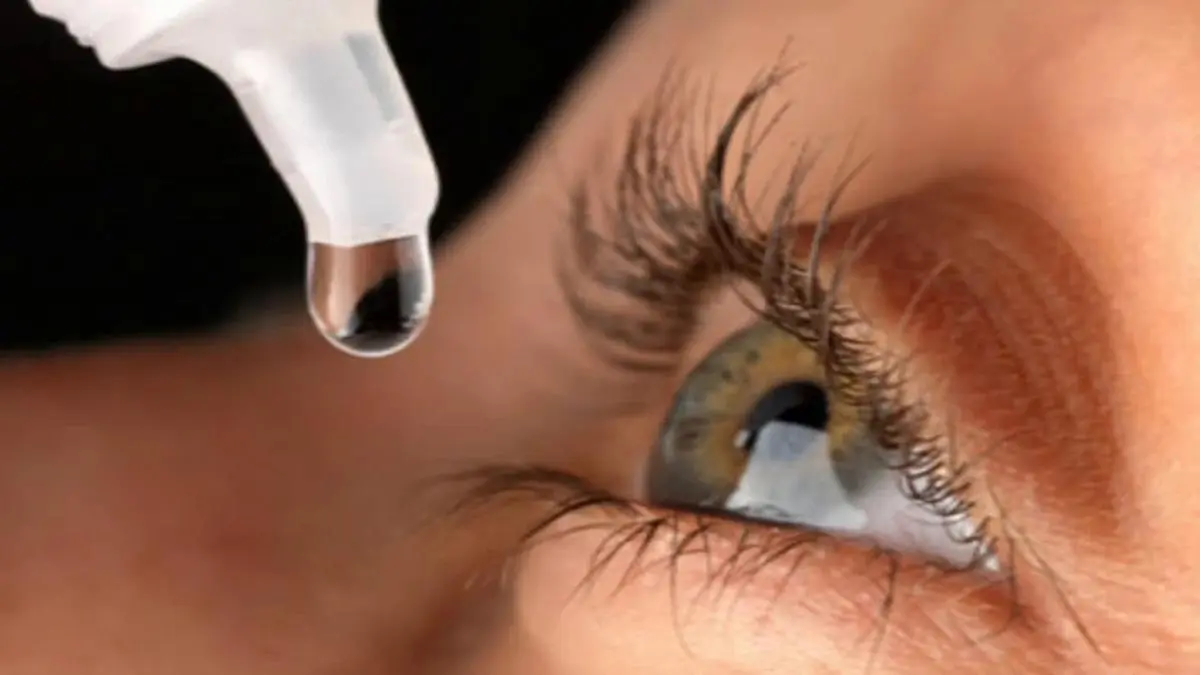
A month after Sun Pharma recalled 11 eye drops, a reporter bought some from local chemists. Experts say the system needs real-time alerts and stronger enforcement.
Sun Pharmaceutical Industries’ voluntary recall of 11 eye drops in mid-July was supposed to pull potentially contaminated products off pharmacy shelves. A month later, a reporter for The Hindu Businessline walked into local chemists and bought some of the same recalled products without trouble.
The episode has drawn sharp criticism from drug regulatory experts who say India’s recall system is too fragmented to protect patients. The problem, they argue, is not just the company’s notification process but the absence of a real-time public alert from regulators.
Sun Pharma told the publication it took the recall “out of an abundance of caution” and informed central and state authorities. The company said it set up a helpline for patients and healthcare professionals. But the experience on the ground tells a different story.
Udaya Bhaskar, who works with the All India Drugs Control Officers’ Confederation, said ophthalmologists flagged concerns about certain eye drops in June, well before the company acted. The voluntary recall came a month later. In the absence of a public alert from regulators, Bhaskar said, authorities should promptly identify the underlying reasons and take regulatory action on the respective manufacturing unit. The goal, he said, is to ensure the product is actually removed from the end-user.
Rishi Agrawal, co-founder and CEO of TeamLease Regtech, called the current approach “patchwork-oriented.” He said the flow of information and enforcement is fragmented and poor. When food aggregators and airline companies can push real-time alerts to consumers, he argued, drug companies and regulators should be able to do the same for a product recall – a simple text message to patients’ phones.
Agrawal said whether a recall is voluntary or mandated by the drug regulator, there needs to be a transition period that accounts for financial impact and logistics. But if there is an immediate threat to health or life, the withdrawal should be immediate, he said. He also called for consequences when companies fail to comply.
The “classical problem is information asymmetry,” Agrawal said. He wants regulators and companies to have complete digital visibility into supply chains and recalls across the country. Such a system, he said, creates “regulatory memory” that would help identify fraudulent companies that resurface under a different name after being blacklisted.
Businessline reached out to the All India Ophthalmological Society and the Health Ministry to ask whether an alert had been issued on the 11 withdrawn eye drops. Neither had responded at the time of publication.
Sun Pharma said it is working closely with healthcare professionals, hospitals, and authorities, and has taken all necessary steps under applicable regulatory requirements. The company declined to comment further on the effectiveness of the recall.
Prepared with AlphaScala editorial tooling from the source reporting linked above. Indexable analysis may include a cited Alpha Score value. Publishing checks screen each story before release. Educational coverage, not personalized advice.