The firm shifts from land holding to active project management for 149 villas. Investors should monitor how this fee structure impacts future cash flow cycles.
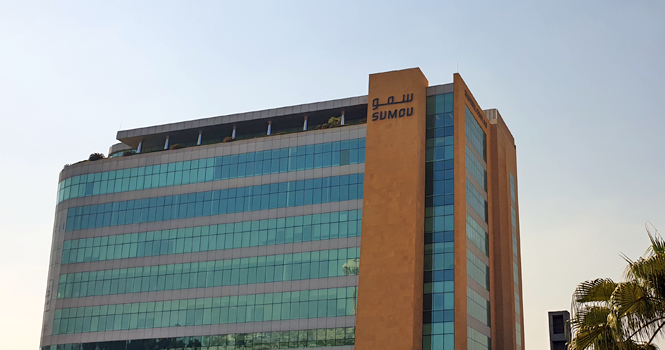
Sumou Real Estate Co. has finalized an agreement to manage the superstructure development for the Al Dhahiya Residence project located in Makkah. This contract marks a shift in the company's operational focus toward large-scale residential delivery, moving beyond land development into active project management.
The financial framework of the agreement centers on a development fee calculated as 10% of the total project costs. By tying revenue directly to the capital expenditure required for the superstructure, Sumou aligns its income stream with the physical progress of the construction phase. This structure provides a clear visibility path for revenue recognition as the project moves through its various stages of completion.
This model shifts the company away from speculative land holding and toward a service-oriented revenue stream. The 10% fee structure acts as a hedge against land price volatility, as the compensation is derived from the construction budget rather than the final sale price of the units. Investors should monitor how this fee structure impacts the company's cash flow cycles compared to its traditional land development business.
The Al Dhahiya Residence project represents a significant addition to the company's portfolio in the Makkah region. The development of 149 villas serves as a specific test case for Sumou's ability to execute high-density residential projects within a major urban center. The success of this project could serve as a template for future management contracts in the region.
This move into superstructure management suggests that Sumou is positioning itself to capture a larger share of the value chain in the regional real estate market. By managing the construction phase, the company gains direct oversight of project timelines and quality control. This level of involvement is often a prerequisite for securing larger government-backed or institutional development mandates in the stock market analysis landscape.
The transition from agreement signing to active construction will be the primary marker for the company's performance in the coming quarters. The following factors will determine the project's impact on the balance sheet:
As the project progresses, the market will look for updates regarding the procurement of contractors and the specific milestones for the superstructure phase. The company's ability to maintain the 10% fee margin while managing potential cost overruns in the construction sector will be the key metric for evaluating the success of this new management-focused strategy. Future filings will likely provide clarity on the total project value and the expected duration of the development cycle.
Prepared with AlphaScala research tooling and grounded in primary market data: live prices, fundamentals, SEC filings, hedge-fund holdings, and insider activity. Each story is checked against AlphaScala publishing rules before release. Educational coverage, not personalized advice.