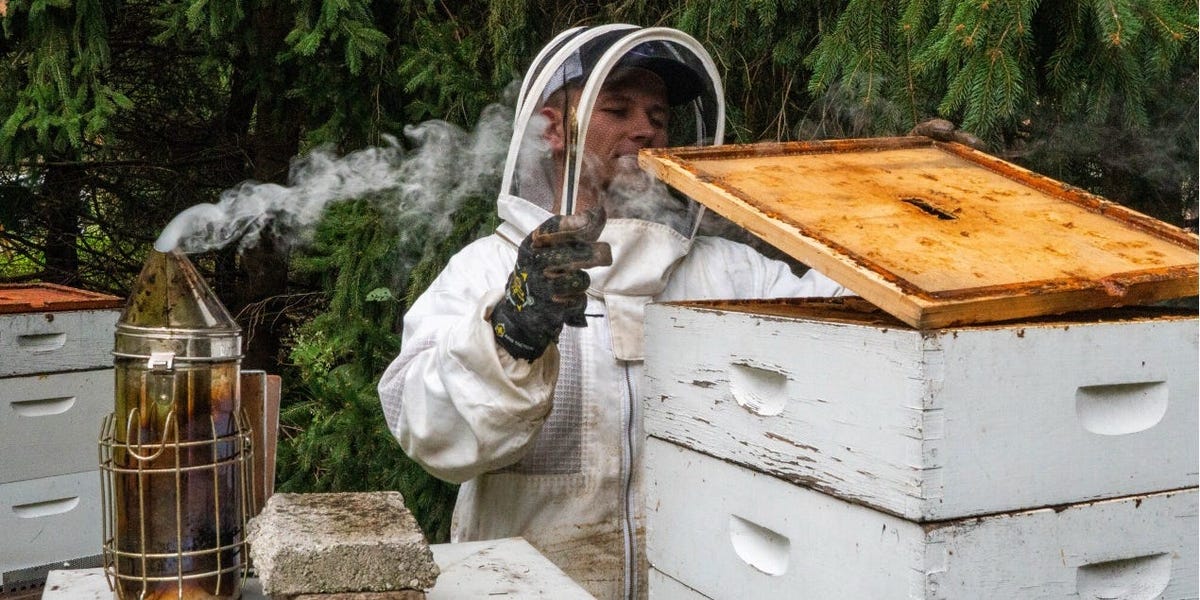
Chatham University student Anthony Ondo is funding his tuition by managing 50 hives, proving that asset-based side businesses can outperform hourly labor.
Anthony Ondo, a 23-year-old student at Chatham University, has bypassed traditional campus employment by scaling a commercial beekeeping operation to fund his education. By managing 50 active hives, Ondo has established a consistent revenue stream through the production and sale of honey across western Pennsylvania. This transition from a hobbyist approach to a structured side business highlights the potential for high-margin, low-overhead micro-enterprises to offset rising academic costs.
Most students seeking to mitigate tuition debt rely on hourly wages from roles like resident assistants or service industry positions. These roles are inherently capped by time constraints and fixed pay rates. Ondo's model shifts the variable from labor hours to production capacity. By maintaining 50 hives, he creates a scalable asset base that generates value independently of his physical presence in a classroom or a service shift. The primary mechanism here is the conversion of biological output into a retail commodity, which allows for price elasticity that hourly labor lacks.
For those evaluating the viability of such ventures, the transition from a side project to a tuition-funding mechanism requires a focus on distribution and inventory management. Ondo's success in western Pennsylvania suggests that local demand for artisanal or locally sourced products provides a stable floor for pricing. Unlike service jobs, where the income is strictly linear, this model allows for expansion by adding hives or diversifying into secondary bee-related products, such as wax or pollen, which can increase the total revenue per hive without a proportional increase in labor.
When analyzing the sustainability of this business model, the focus must remain on the cost of inputs versus the market value of the output. Beekeeping involves significant upfront capital for equipment and hive maintenance, but once established, the recurring costs are relatively low compared to the retail price of premium honey. This creates a high-margin environment that is attractive for individuals looking to maximize their return on time invested.
However, the risks are distinct from traditional employment. Biological factors, such as colony health and environmental conditions, introduce a level of volatility that a barista or resident assistant does not face. A successful season depends on hive survival rates and local floral conditions, which are external variables that can impact the bottom line significantly. For students considering similar paths, the decision point is whether the potential for higher returns justifies the operational risk and the requirement for specialized knowledge. As academic costs continue to rise, the shift toward asset-based side businesses rather than labor-based ones will likely become a more common strategy for students seeking to manage their financial obligations. The next step for this venture will be determining if he can maintain production levels as his academic workload intensifies, or if he will need to hire labor to manage the hives during peak seasons.
AI-drafted from named sources and checked against AlphaScala publishing rules before release. Direct quotes must match source text, low-information tables are removed, and thinner or higher-risk stories can be held for manual review.