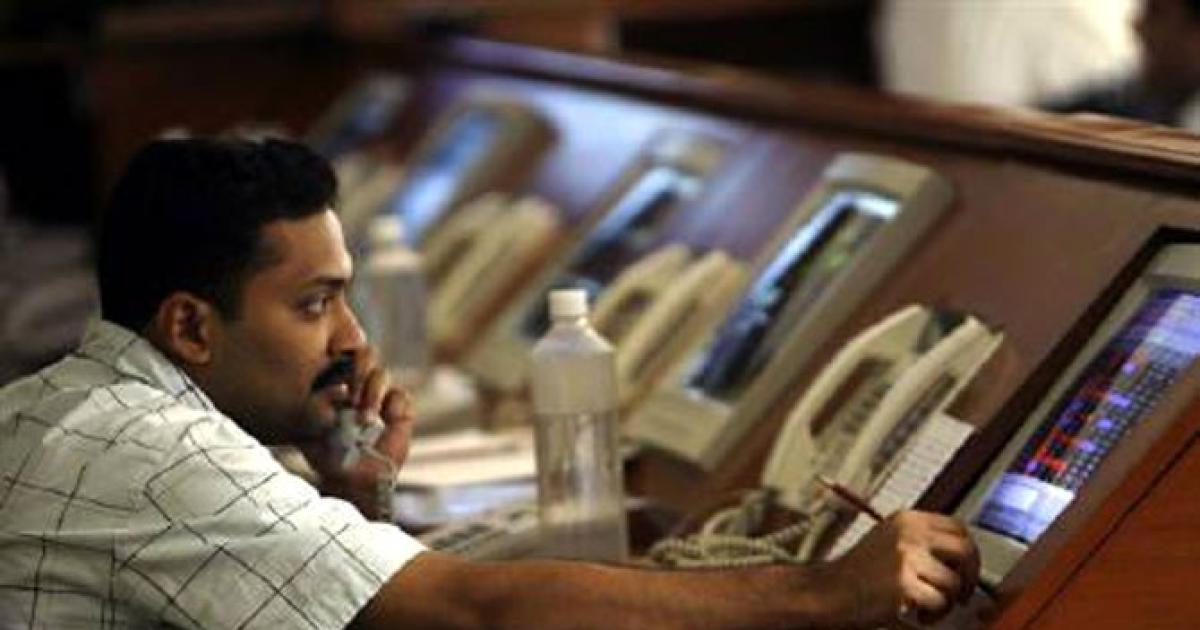
Indian equity benchmarks opened sharply lower on Monday after a drone attack on the Barakah nuclear facility in the United Arab Emirates escalated West Asia tensions and sent Brent crude above $111 a barrel. The 30-share BSE Sensex fell 833.20 points to 74,404.79, while the 50-share NSE Nifty dropped 234 points to 23,401.70.
Oil Above $111: The Strait of Hormuz Risk
Brent crude traded 1.79% higher at $111.2 per barrel in early Asian hours. The attack on the UAE's nuclear site – the first of its kind in the region – added a new layer of geopolitical risk to an already fragile supply picture.
US President Donald Trump issued a fresh warning urging Iran to "get moving, FAST," according to Hariprasad K, Research Analyst and Founder of Livelong Wealth. That statement revived concerns about a possible disruption of global crude oil supply routes, particularly the Strait of Hormuz, through which about 20% of the world's oil passes.
The Mechanism Behind the Move
The connection between a drone strike in the UAE and Indian equities runs through two channels: the oil import bill and the rupee exchange rate. India imports roughly 85% of its crude oil requirements. Every $10 per barrel sustained rise in oil prices adds about 0.4% to India's current account deficit and pushes up retail fuel costs, which feeds into inflation and pressures the Reserve Bank of India to keep interest rates higher for longer.
Foreign Institutional Investors (FIIs) bought equities worth Rs 1,329.17 crore on Friday, according to exchange data. That buying may pause if oil stays elevated and the rupee weakens, since FIIs repatriate returns in dollars.
Sector Winners and Losers: HDFC Bank, Tata Steel vs Infosys
The selloff was broad but not uniform. Stocks tied to domestic demand and oil-sensitive input costs led the decline, while export-oriented technology names held up.
Laggards
- Tata Steel – higher energy costs and potential input inflation
- Power Grid – rate sensitivity and utility exposure
- Maruti Suzuki – fuel price sensitivity for auto demand
- Trent and Titan – consumer discretionary spending risk
- HDFC Bank – rate sensitivity and FII-heavy ownership
Winners
- Infosys – dollar-denominated revenue benefits from a weaker rupee
- Tech Mahindra – same IT export tailwind
- Bharti Airtel – telecom revenue is rupee-denominated but dollar debt costs are manageable
- Tata Consultancy Services – large-cap IT safe haven
The divergence reflects a simple read: oil spikes hurt domestic cyclicals and benefit exporters. The better market read accounts for positioning and liquidity. HDFC Bank (ticker: HDB) is one of the most heavily owned stocks by FIIs. When global risk appetite sours, those positions get trimmed first, regardless of the bank's standalone credit quality. Infosys (ticker: INFY), by contrast, has a large free float and a natural hedge through its dollar revenue stream.
AlphaScala Data: HDB and INFY Scores
HDFC BANK LTD carries an Alpha Score of 36/100 (label: Mixed) in the Financial Services sector. Infosys Ltd scores 57/100 (label: Moderate) in Technology. The score gap reflects the different risk profiles – HDB's score is weighed down by macro sensitivity, while INFY's moderate score suggests more balanced risk-reward in the current environment.
| Asset | Price / Level | Move |
|---|
| Sensex | 74,404.79 | –833.20 points |
| Nifty | 23,401.70 | –234 points |
| Brent Crude | $111.2/bbl | +1.79% |
Asian Markets and Global Risk Aversion
Japan's Nikkei 225, Shanghai's SSE Composite, and Hong Kong's Hang Seng all quoted lower. South Korea's Kospi traded in positive territory, an outlier. US markets ended over 1% lower on Friday, setting a weak tone for Asia.
Ponmudi R, CEO of Enrich Money, noted that Trump's warning "continues to remain a key overhang for global financial markets." The clock is ticking for Iran narrative keeps the Strait of Hormuz risk alive.
What Confirms or Weakens the Thesis
The bearish case for Indian equities rests on oil staying above $110 and the rupee weakening past 84 against the dollar. Confirmation would come from a sustained FII selling streak and a rise in India's VIX (volatility index). A weakening signal would be a diplomatic de-escalation – any sign of resumed US-Iran talks or a reopening of the Strait of Hormuz – which would collapse the risk premium in oil and reverse the sector rotation back to domestic cyclicals.
For now, the market is pricing a higher probability of disruption. Traders watching the Sensex and Nifty should track Brent crude intraday levels and any official statements from the UAE or US regarding the Barakah facility. A second attack or a confirmed closure of the Strait of Hormuz would accelerate the selloff. A ceasefire or negotiation breakthrough would trigger a sharp mean-reversion rally in oil-sensitive names like Tata Steel and Maruti.