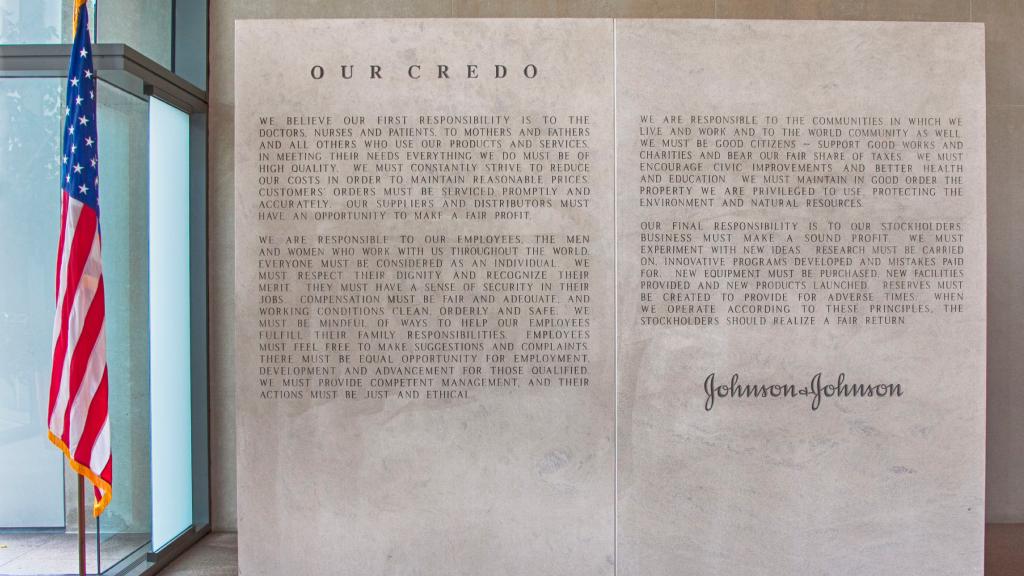
The recent shift in corporate communication strategies reveals a growing disconnect between stated organizational values and operational execution. When enterprises lean heavily on values-based positioning without corresponding structural alignment, the resulting friction often manifests in market volatility and eroded investor confidence. This phenomenon is no longer a peripheral concern for brand managers; it has become a core component of how institutional capital assesses long-term enterprise viability.
The Operational Cost of Values-Based Positioning
Market participants are increasingly scrutinizing the gap between public-facing mission statements and internal capital allocation. When a company prioritizes the narrative of strategic integrity, the burden of proof shifts to the balance sheet. Investors now look for evidence that internal resource distribution matches the stated corporate ethos. If an organization promotes sustainability or ethical governance while maintaining legacy infrastructure that contradicts these goals, the market often discounts the stock to account for the eventual cost of a forced pivot or regulatory correction.
This misalignment creates a specific type of risk. It forces the company to choose between maintaining a hollow narrative and undergoing a costly, disruptive transition. For firms in the technology sector, where AI infrastructure reliability gaps signal a shift in capital allocation, this tension is particularly acute. The market rewards companies that demonstrate a clear, verifiable link between their stated strategic direction and their actual R&D spending.
Quantifying the Integrity Premium
Valuation models are evolving to incorporate qualitative metrics that were once considered soft data. The integrity premium is the difference in valuation between companies that align their operations with their public narrative and those that do not. This premium is visible in how the market treats firms that proactively disclose operational hurdles rather than masking them behind corporate rhetoric. Transparency in reporting, even when the news is unfavorable, serves as a proxy for management quality and long-term stability.
AlphaScala data currently reflects this volatility in the semiconductor space. ON Semiconductor Corporation (ON stock page) holds an Alpha Score of 46/100, currently labeled as Mixed. This score highlights the ongoing challenge of balancing high-growth sector expectations with the operational realities of a complex manufacturing environment.
The Next Marker for Strategic Alignment
Moving forward, the primary indicator of strategic integrity will be the consistency of capital expenditure reports relative to long-term guidance. Investors should monitor upcoming quarterly filings for any deviation in R&D focus or shifts in supply chain management that contradict previously stated corporate goals. The next major test for any firm will be its ability to maintain margin stability while navigating the transition toward more sustainable or efficient operational models. Companies that fail to reconcile their public messaging with their actual capital deployment will likely face increased scrutiny from institutional holders, leading to potential re-ratings based on execution risk rather than market sentiment. The focus remains on whether management can bridge the gap between the brand they sell to the public and the business they operate for their shareholders.