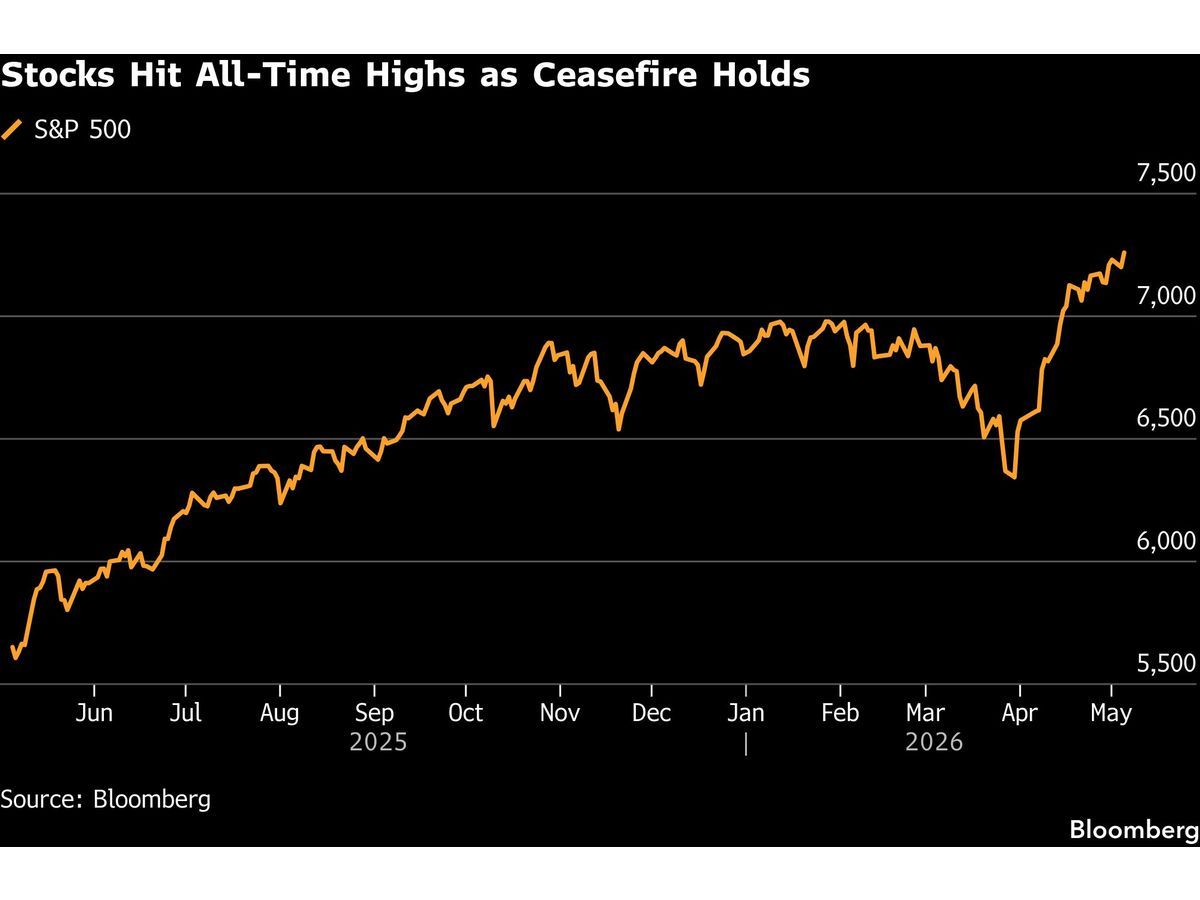
The stabilization of geopolitical tensions in the Middle East has shifted the focus of global capital markets from conflict-driven risk premiums to domestic economic fundamentals. As the ceasefire between the United States and Iran holds, the immediate threat to the Strait of Hormuz—a critical energy chokepoint—has receded, prompting a reassessment of energy-linked volatility. While crude oil prices remain elevated with West Texas Intermediate holding above $102 a barrel, the market is pivoting toward the potential for supply-chain normalization and a broader rally in risk assets.
Geopolitical De-escalation and Energy Risk
The primary driver of the current market shift is the public confirmation that military operations in the region have concluded. US Secretary of State Marco Rubio stated that "Operation Epic Fury is concluded," 66 days after the commencement of hostilities. This transition from active offensive operations to a defensive posture focused on protecting shipping lanes provides a concrete catalyst for the reduction of geopolitical risk premiums. For commodity traders, the key variable remains the reopening of the Strait of Hormuz. Analysts at Wolfe Research suggest that a near-term resolution is the base-case scenario, which would facilitate a decline in energy prices as logistical bottlenecks ease.
Inventory Dynamics and Commodity Liquidity
Despite the diplomatic progress, energy markets are still contending with tight supply conditions. An industry report indicated another significant drawdown in US stockpiles, which explains why crude prices have maintained a floor above $102 despite the cooling of conflict rhetoric. The disconnect between the diplomatic truce and the physical tightness in the market suggests that inventory levels will remain the primary arbiter of price direction in the coming weeks. Traders should monitor the pace of inventory replenishment as a signal for whether the current price level is sustainable or if a correction is imminent as the blockade risk dissipates. For those navigating these shifts, further commodities analysis is essential to distinguish between structural supply deficits and temporary geopolitical premiums.
Equity Market Positioning and Sector Rotation
The rebound in global equities from the lows established during the height of the Iran conflict has been notably narrow, leaving the market susceptible to broader participation. Strategists at JPMorgan Chase & Co. note that markets have historically demonstrated a high degree of resilience following geopolitical shocks. This suggests that the current rally could broaden as investors rotate out of defensive positions and back into growth-oriented sectors. In the technology space, chipmakers have reached record levels, bolstered by robust outlooks from firms like AMD, which currently holds an Alpha Score of 59/100. The potential for Apple Inc. to diversify its processor manufacturing base through partnerships with Intel and Samsung further underscores the ongoing shift toward supply-chain resilience in the tech sector.
Macroeconomic Indicators and Labor Market Stability
Beyond the geopolitical narrative, the underlying US economic data provides a stabilizing backdrop for equity valuations. March job openings remained little changed, while hiring activity rebounded, signaling a labor market that is finding a new equilibrium. Additionally, the uptick in new-home sales suggests that domestic demand remains resilient despite the cooling of the services sector in April. This combination of a stable labor market and moderating service-sector growth provides a favorable environment for the Federal Reserve to maintain its current policy trajectory. Investors should watch for further signs of stabilization in these metrics as confirmation that the economy can withstand the lingering effects of energy-price volatility.
Risk Assessment and Execution Strategy
The current market environment is defined by a high sensitivity to news flow regarding the Iran truce. A failure to maintain the ceasefire or any unexpected disruption to shipping in the Strait of Hormuz would likely trigger a rapid reversal in sentiment, forcing a flight back into safe-haven assets and energy hedges. Conversely, consistent evidence of normalized shipping volumes would likely catalyze a further rotation into cyclical equities. For institutional participants, the focus should remain on the delta between the current $102 oil price and the potential for a supply-side correction. While JPM maintains a mixed outlook with an Alpha Score of 53/100, the broader financial sector remains a key proxy for the health of the recovery. The current setup favors a cautious approach to long exposure until the physical flow of energy through the strait is fully restored and verified by tanker traffic data.