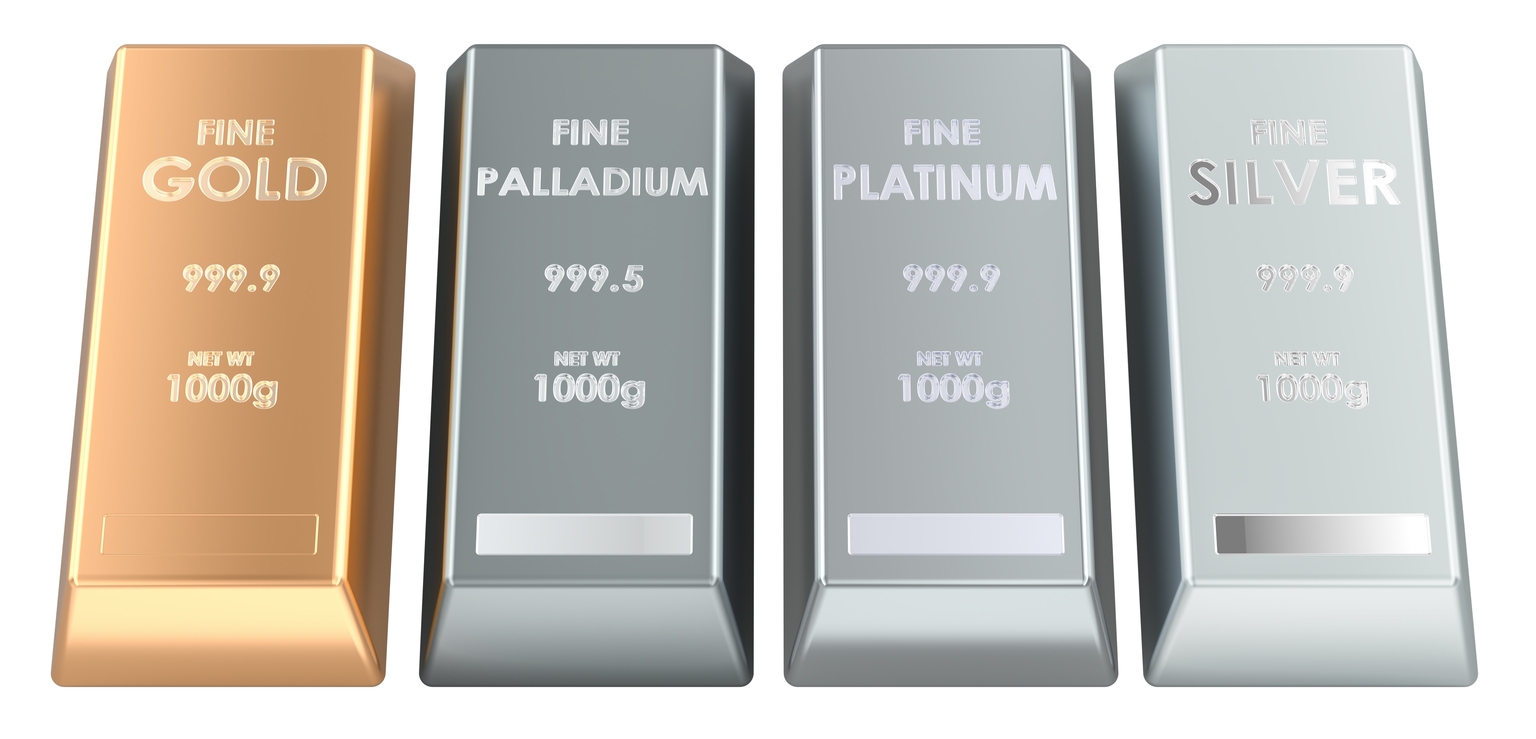
The downgrade of PPLT suggests the platinum rally has hit a ceiling. Investors should monitor industrial production data for signs of further price weakness.
Alpha Score of 54 reflects moderate overall profile with moderate momentum, strong value, weak quality. Based on 3 of 4 signals — score is capped at 90 until remaining data ingests.
The recent downgrade of NYSEARCA:PPLT marks a shift in sentiment for the physical platinum ETF following a period of significant price appreciation. Investors who entered the trade based on the metal's industrial utility and its historical correlation with gold are now facing a potential liquidity trap as the momentum that fueled the previous year's gains begins to dissipate. The transition from a bullish outlook to a more cautious stance reflects a reassessment of the supply-demand balance that previously supported higher valuations.
The fundamental case for platinum often hinges on its role in automotive catalytic converters and its increasing relevance in the hydrogen economy. However, the current market environment suggests that these drivers are already priced into the current levels of PPLT. When industrial demand growth fails to outpace the existing inventory overhang, the price of the underlying metal tends to consolidate or correct. The recent downgrade suggests that the market is no longer pricing in a supply deficit of sufficient magnitude to justify further upside from current levels.
For traders, the primary concern is the potential for a mean reversion. Platinum has historically demonstrated high volatility, and its price action is frequently disconnected from broader precious metal trends. While gold often benefits from safe-haven flows during periods of geopolitical uncertainty, platinum remains tethered to industrial output and manufacturing cycles. If global manufacturing data continues to show signs of cooling, the industrial premium currently embedded in the price of platinum is likely to erode. This makes the asset particularly sensitive to shifts in macroeconomic policy that impact heavy industry and automotive production.
Investors holding PPLT should consider the implications of a potential shift in institutional positioning. As the bullish narrative loses steam, the risk of a rapid exit by momentum-driven capital increases. This can lead to wider bid-ask spreads and increased slippage for those attempting to trim positions during periods of heightened volatility. The downgrade serves as a signal to re-evaluate the risk-adjusted returns of holding physical platinum compared to other commodities analysis alternatives that may offer a more favorable risk-reward profile in the current interest rate environment.
To confirm the bearish thesis, traders should monitor the price action relative to key moving averages and the volume profile during down days. A sustained break below recent support levels would likely confirm that the rally has exhausted itself. Conversely, any unexpected supply disruption in major producing regions could invalidate the downgrade, though such events are inherently difficult to time. The next decision point for holders will be the upcoming quarterly industrial production reports, which will provide a clearer picture of whether the demand side of the equation can sustain current price levels or if a deeper correction is imminent.
AI-drafted from named sources and checked against AlphaScala publishing rules before release. Direct quotes must match source text, low-information tables are removed, and thinner or higher-risk stories can be held for manual review.