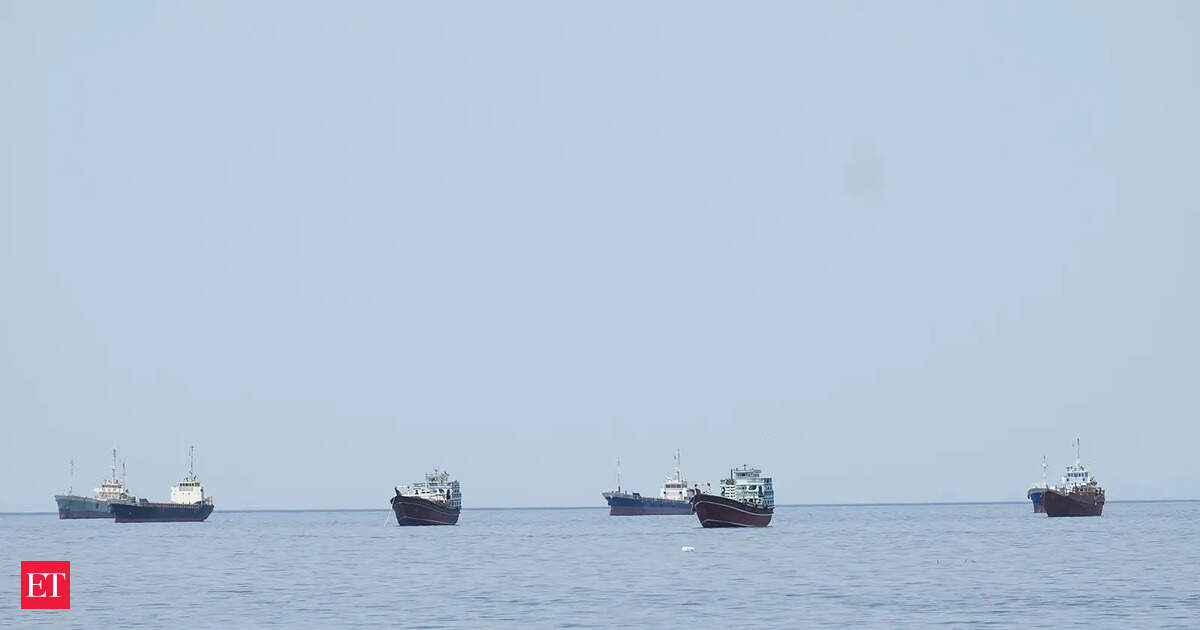
Iran is offering technical and medical support to ships in the Strait of Hormuz after the U.S. paused Project Freedom. Monitor energy and shipping volatility.
The geopolitical landscape governing the Strait of Hormuz shifted on Thursday as the Ports and Maritime Organisation of Iran announced a new initiative to provide maritime, technical, and medical support to commercial vessels navigating the region. This development follows the Tuesday announcement by U.S. President Donald Trump that "Project Freedom," a naval initiative designed to assist commercial ships trapped in the waterway, would be temporarily paused. The Iranian directive, transmitted via official maritime communication channels, invites ship commanders to utilize local services including fuel supply, provisions, and authorized repair materials.
The Ports and Maritime Organisation of Iran is broadcasting this advisory three times daily for three consecutive days across regional VHF systems. Ship masters are instructed to coordinate directly with Vessel Traffic Service (VTS) centers at the nearest Iranian ports or through local representatives on VHF channel 16. By positioning these services as a commitment to maritime safety and vessel seaworthiness, Tehran is attempting to reassert influence over the transit corridor while the U.S.-led naval blockade remains in effect. For commercial operators, this creates a complex operational environment where the primary security provider has stepped back, leaving a vacuum that Iranian authorities are actively moving to fill.
President Trump’s decision to pause Project Freedom represents a significant tactical pivot in the Gulf. According to the administration, the move was prompted by mediation efforts from Pakistan and other regional actors, alongside claims of military progress during the ongoing campaign against Iran. The pause is explicitly framed as a window to determine if a "Complete and Final Agreement" can be reached between Washington and Tehran. However, the administration emphasized that the naval blockade of Iranian ports remains in full force. This creates a bifurcated reality: a blockade on one hand and an offer of logistical support on the other, forcing commercial shipping lines to navigate a high-stakes diplomatic and operational gray zone.
The immediate risk for commercial shipping is the potential for conflicting instructions between U.S. naval forces maintaining the blockade and Iranian authorities offering port services. While the U.S. has signaled a willingness to negotiate, the continued presence of the blockade means that any vessel opting to utilize Iranian "maritime services" could face scrutiny or complications regarding international sanctions compliance. Operators must now weigh the logistical necessity of fuel and repair services against the risk of being caught in the crossfire of a shifting diplomatic stalemate. The situation remains fluid, and the effectiveness of the proposed peace deal will be the primary determinant of whether this pause leads to a de-escalation or a return to heightened naval friction.
Energy markets and shipping insurance premiums are the most immediate transmission mechanisms for this risk. Any disruption in the Strait of Hormuz, or even the perception of increased Iranian control over vessel traffic, typically results in immediate volatility in global oil benchmarks. Investors tracking energy-exposed equities should monitor whether the pause in Project Freedom leads to a sustained reduction in insurance surcharges for tankers or if the uncertainty surrounding Iranian port access keeps risk premiums elevated. While the market often reacts to the headline of a "pause" as a positive signal for de-escalation, the underlying reality of the naval blockade suggests that structural risks to transit remain unchanged.
For those analyzing broader sector impacts, the current situation mirrors historical periods where regional actors attempt to normalize their influence through logistical support during times of conflict. The success of this strategy depends entirely on whether commercial ship owners perceive the Iranian offer as a genuine service or a strategic maneuver to bypass the blockade. As the situation evolves, the focus will shift to whether the U.S. and Iran can move from this temporary pause to a formal agreement, or if the lack of progress forces a resumption of Project Freedom. In the current climate, market participants should remain skeptical of rapid breakthroughs until concrete diplomatic milestones are reached. For those interested in broader stock market analysis, the interplay between regional naval control and global energy supply chains remains a critical variable for long-term portfolio positioning.
AI-drafted from named sources and checked against AlphaScala publishing rules before release. Direct quotes must match source text, low-information tables are removed, and thinner or higher-risk stories can be held for manual review.