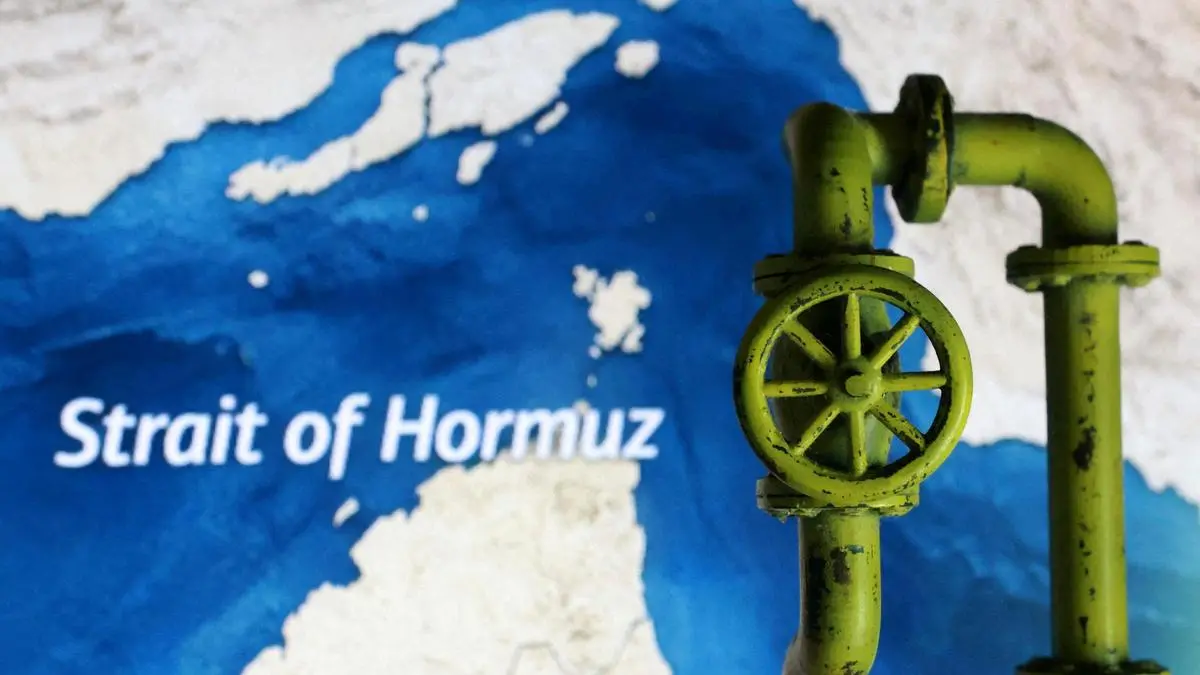
The geopolitical landscape governing the Strait of Hormuz underwent a sharp recalibration on Thursday as the Ports and Maritime Organisation of Iran announced a comprehensive support initiative for commercial vessels. This move follows the Tuesday decision by U.S. President Donald Trump to temporarily suspend “Project Freedom,” a naval initiative previously designed to facilitate the passage of commercial ships through the region. The Iranian offer, which includes provisions for fuel, medical assistance, and technical repair services, is being broadcast via maritime communication networks and VHF systems three times daily over a three-day period. For commercial operators, this creates a complex operational environment where the withdrawal of U.S.-led transit support is being immediately met by an offer of service from the very state currently under a naval blockade.
The Operational Shift in Gulf Transit
The suspension of Project Freedom marks a significant pivot in how commercial vessels must navigate the Strait. While the U.S. maintains that the naval blockade of Iranian ports remains in full force and effect, the pause in the transit-support initiative suggests a tactical shift toward diplomatic negotiation. President Trump cited requests from Pakistan, acting as a mediator, and alleged significant military gains as the primary drivers for the pause. The stated goal is to determine whether a final agreement between Tehran and Washington can be reached. However, the practical reality for shipping firms is that the security umbrella provided by Project Freedom has been retracted, leaving vessels to navigate one of the world’s most critical energy chokepoints with reduced external oversight.
Iranian Port Services and Vessel Logistics
By offering fuel, provisions, and repair services, the Iranian maritime authority is effectively positioning its infrastructure as a primary point of contact for vessels in distress or in need of logistical support. Ship masters are instructed to contact Vessel Traffic Service (VTS) centers at the nearest Iranian ports or via VHF channel 16. This creates a direct operational dependency on Iranian systems for any vessel choosing to utilize these services. For fleet managers, the decision to engage with these services involves weighing the immediate logistical benefit against the potential for regulatory or insurance complications arising from the ongoing U.S. blockade. The proximity to Iranian territorial waters and anchorages adds a layer of jurisdictional risk that must be factored into any transit plan.
Evaluating the Risk of Diplomatic Volatility
The current situation is defined by a high degree of uncertainty regarding the durability of the pause in Project Freedom. If the negotiations between Washington and Tehran fail to produce a signed agreement, the resumption of naval tensions could be rapid. The U.S. administration has explicitly stated that the blockade remains in effect, which serves as a reminder that the current lull is conditional. Investors and logistics firms should monitor the status of the “Complete and Final Agreement” referenced by the White House, as any breakdown in these talks would likely trigger an immediate reversal of the current maritime posture. The vulnerability of global energy supply chains to these shifts remains extreme, as any disruption in the Strait of Hormuz has an immediate impact on global oil pricing and insurance premiums for maritime transit.
Sectoral Read-Through and Asset Exposure
While the immediate impact is concentrated on shipping and energy logistics, the broader market implications are tied to the stability of the Gulf region. Companies with high exposure to maritime freight or energy infrastructure in the Middle East face a heightened risk profile. For those analyzing real estate or infrastructure assets that rely on stable regional trade, the volatility in the Strait of Hormuz is a primary variable. For instance, entities like Safehold Inc. (SAFE) operate in a different sector, yet broader market sentiment often reflects these geopolitical shocks through the lens of interest rate volatility and capital allocation risk. With an Alpha Score of 54/100, SAFE currently reflects a mixed outlook that may be further pressured by any macro-level instability stemming from regional geopolitical friction.
Strategic Considerations for Market Participants
The transition from a U.S.-led transit initiative to a period of Iranian-offered support creates a vacuum that is being filled by local authorities. This is not merely a change in logistics; it is a change in the power dynamic of the waterway. The effectiveness of the blockade, when measured against the availability of Iranian port services, will be the primary indicator of whether this pause leads to a stable resolution or a return to heightened conflict. Market participants should prioritize the tracking of official communications from both the U.S. Department of Defense and the Iranian Ports and Maritime Organisation. Any deviation from the current three-day broadcast schedule or a sudden change in the status of the blockade would serve as a critical signal that the diplomatic window is closing. For a deeper look at how such macro-geopolitical events influence broader equity valuations, refer to our stock market analysis for ongoing updates on sector-specific risk management.