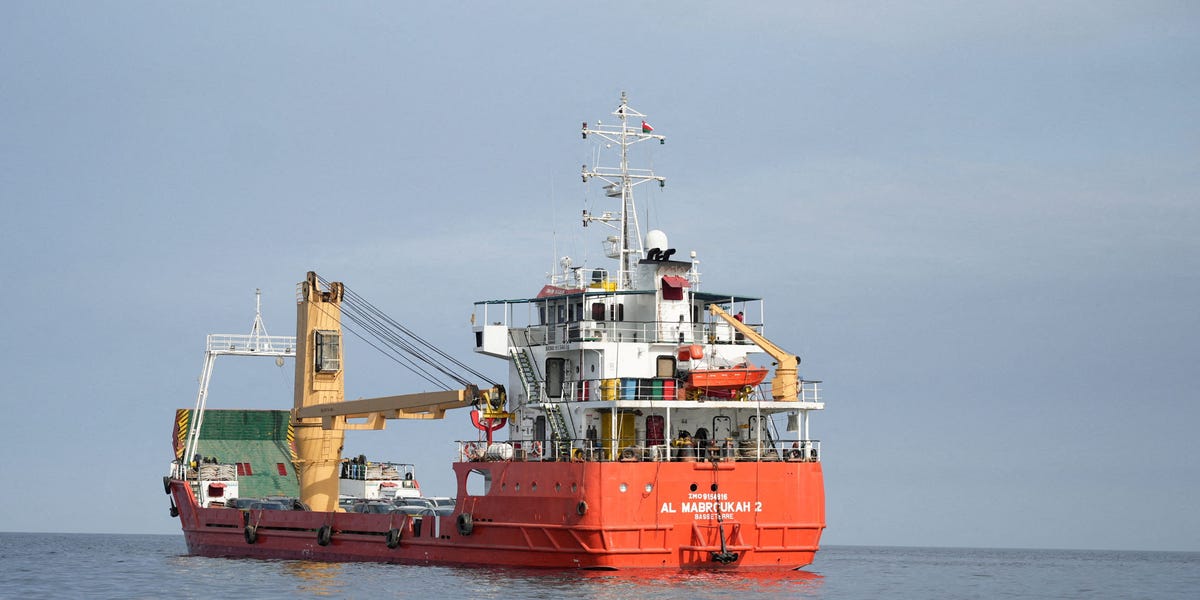
Iran’s military has announced a shift in its maritime posture, asserting strict control over the Strait of Hormuz in response to ongoing disputes regarding port access and international trade enforcement. This move follows accusations from Tehran directed at the United States, characterizing current blockade efforts as acts of piracy and sea robbery. By reclaiming active oversight of this critical chokepoint, the Iranian military has effectively signaled a return to a more restrictive transit environment for vessels moving through the Persian Gulf.
Maritime Security and Global Energy Flows
The Strait of Hormuz remains a central artery for global energy markets, as a significant portion of the world’s daily oil and liquefied natural gas production passes through these waters. Any escalation in military presence or the implementation of inspection mandates creates immediate friction for shipping logistics. When transit corridors face heightened oversight, insurance premiums for maritime freight often adjust to reflect the increased risk of seizure or delay. This development forces operators to reassess the viability of existing routes and potentially account for longer transit times or diverted shipments.
For companies operating within the global supply chain, the primary concern is the predictability of delivery schedules. The shift in control over the Strait suggests that the window for unhindered passage has narrowed. If these restrictions persist, the resulting bottleneck will likely impact the cost of goods that rely on regional energy inputs or maritime transit through the Middle East. The situation mirrors broader concerns regarding Strait of Hormuz Reopening Signals Easing of Maritime Risk Premium, though the current narrative points toward a tightening rather than an easing of these pressures.
Sectoral Impact and Valuation Sensitivity
Industries heavily dependent on stable energy pricing and consistent maritime logistics are the most exposed to this change. Technology and consumer cyclical sectors often experience indirect volatility when energy costs spike or supply chains face unexpected disruptions. Within the AlphaScala data set, companies such as ON Semiconductor Corporation (ON stock page) currently hold an Alpha Score of 40/100, while Sea Ltd (SE stock page) maintains a score of 43/100. Both entities operate within sectors where margin stability is sensitive to the broader macroeconomic environment and the cost of logistics.
Investors should monitor the following indicators to gauge the duration of this disruption:
- Changes in maritime insurance rates for tankers operating in the Persian Gulf.
- Official statements from regional port authorities regarding vessel clearance procedures.
- Updates on the presence of international naval patrols in the vicinity of the Strait.
This event sets up a critical follow-up marker in the form of actual transit data over the next 72 hours. If commercial vessels begin to report significant delays or if there is a formal escalation in the frequency of boardings, the market will need to price in a sustained risk premium. The next concrete indicator will be the reaction of global energy benchmarks to the first full week of these enforced controls, which will clarify whether this is a temporary posturing exercise or a long-term shift in regional maritime policy.