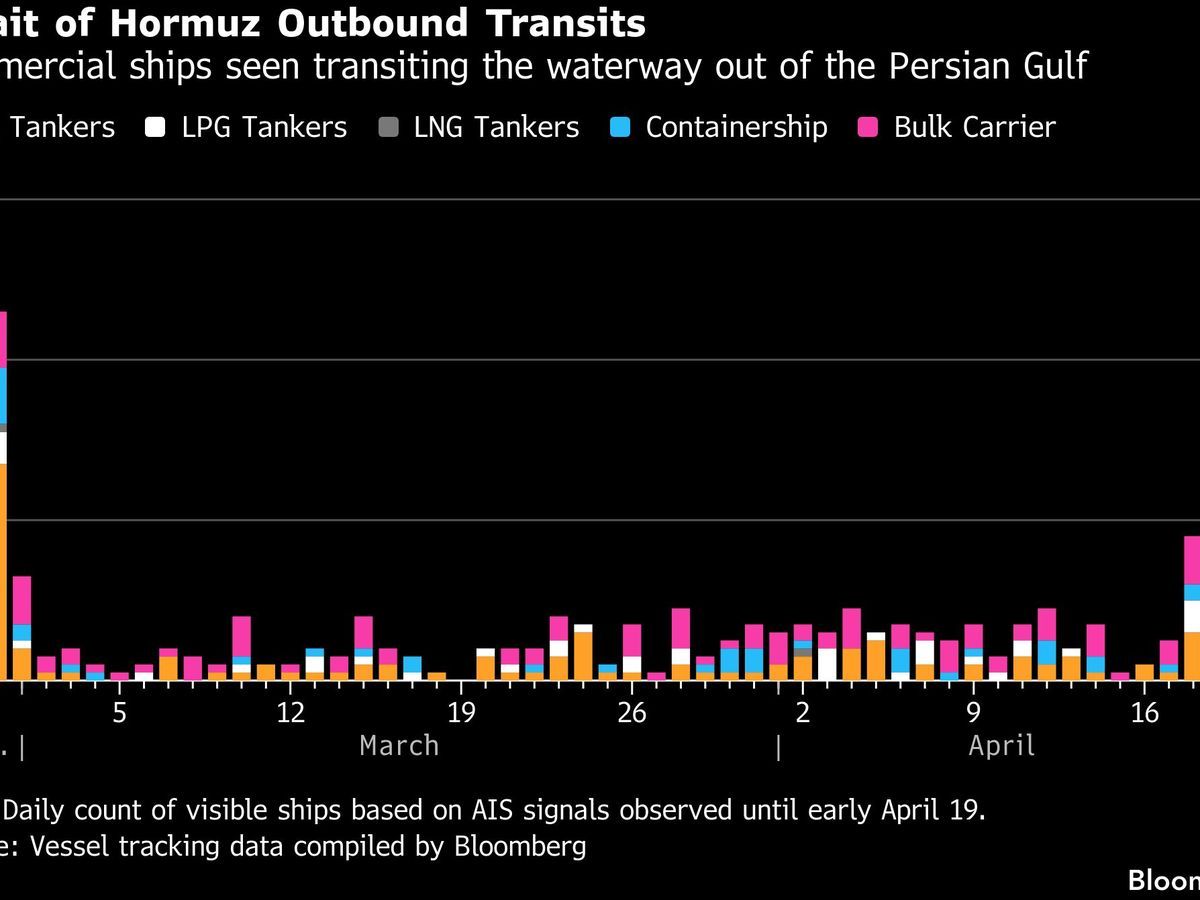
Commercial shipping activity through the Strait of Hormuz has ceased following a brief, volatile surge in transit volume on Saturday. The sudden suspension of traffic follows a sharp escalation in regional tensions, effectively closing one of the world's most critical maritime chokepoints. This disruption forces a immediate reassessment of supply chain reliability for energy and bulk commodity markets that rely on the waterway for global distribution.
Logistics and Energy Supply Chain Impact
The cessation of transit creates an immediate bottleneck for global oil and liquefied natural gas exports. Because the Strait of Hormuz serves as the primary exit for significant volumes of Persian Gulf production, the halt forces operators to weigh the costs of extended transit times against the risk of vessel exposure. The sudden nature of this stoppage leaves little room for inventory buffering, suggesting that downstream energy prices and industrial input costs will face upward pressure as long as the corridor remains inactive.
Industrial sectors sensitive to energy costs and raw material availability are now monitoring the duration of this closure. The lack of transit throughput impacts not only immediate supply availability but also the insurance premiums and freight rates for any vessels attempting to navigate the broader region. Companies with high exposure to global logistics chains are likely to see margin compression if the stoppage extends beyond the short term.
Sectoral Read-Through and Market Positioning
Broad market volatility often follows such logistical shocks, particularly when the disruption affects energy-dependent sectors. While technology and healthcare firms may appear insulated from direct maritime transit issues, the broader inflationary impact of energy price spikes often filters through to consumer discretionary spending and operational costs. For instance, companies like Amer Sports (AS) or Agilent Technologies (A) operate within sectors that rely on stable global trade environments to maintain predictable supply chains and cost structures.
AlphaScala data currently reflects a cautious environment for these sectors. Amer Sports holds an Alpha Score of 47/100, while Agilent Technologies sits at 55/100, and ON Semiconductor maintains a 45/100 score. These metrics suggest that even before the current maritime disruption, market sentiment was already balancing mixed signals across consumer and industrial segments.
The Path to Normalization
The next concrete marker for the market will be the resumption of vessel tracking data indicating a return to standard transit patterns. Any official communication regarding the security status of the Strait will serve as the primary catalyst for a potential reversal in energy pricing. Until commercial traffic resumes, the focus remains on the depletion of regional storage levels and the ability of alternative logistics routes to absorb the diverted volume. Investors should monitor daily transit reports as the primary indicator of whether this event remains a temporary logistical hurdle or evolves into a sustained structural disruption for global trade.