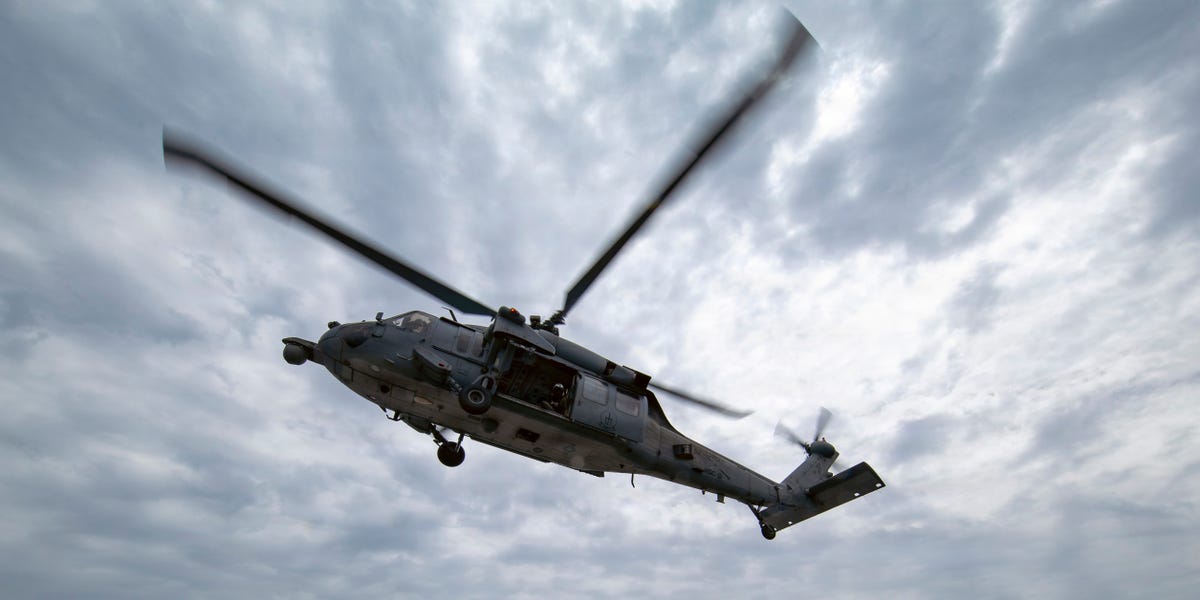
US military forces have successfully cleared a transit corridor through the Strait of Hormuz following a direct engagement between American aviation assets and Iranian small boats. AH-64 Apache and MH-60 Seahawk helicopters neutralized six vessels identified as threats to commercial shipping lanes. This operation establishes a defended path for merchant vessels, effectively resetting the immediate security environment in one of the world's most critical maritime chokepoints.
Operational Impact on Maritime Transit
The Strait of Hormuz serves as a primary artery for global energy supply chains. Any disruption to the flow of tankers through this region creates immediate volatility in energy markets and shipping insurance premiums. By eliminating the threat posed by these small boats, US forces have provided a temporary stabilization of the transit route. However, the reliance on active military escort highlights the fragility of the current security architecture in the region. Traders should distinguish between a tactical clearing of a path and a long-term resolution of regional maritime tensions.
Market Sensitivity to Hormuz Security
Energy markets are particularly sensitive to reports of kinetic activity in the Strait of Hormuz. When commercial shipping is threatened, the immediate market reaction is often a spike in crude oil prices driven by risk premiums. The successful neutralization of these threats may lead to a cooling of these premiums, provided the corridor remains open and secure. The effectiveness of this operation will be measured by the sustained flow of tanker traffic over the coming sessions. If commercial operators perceive the threat as persistent despite the recent strike, the risk premium will likely remain elevated regardless of individual military successes.
Assessing the Escalation Threshold
The engagement involving AH-64 Apache and MH-60 Seahawk helicopters marks a significant escalation in the rules of engagement for US forces in the area. This shift suggests a more proactive posture toward protecting commercial interests. For those tracking energy sector volatility, the focus now shifts to the Iranian response. A measured response would suggest a return to status quo, while any retaliatory action against commercial or military assets would likely trigger a broader repricing of geopolitical risk across energy and shipping equities. The next concrete marker for the market will be the volume of tanker traffic successfully navigating the Strait over the next 48 to 72 hours. Any reports of further interdiction or harassment will quickly invalidate the current stabilization thesis, forcing a reassessment of supply chain reliability. Investors should monitor stock market analysis for broader sector impacts as energy prices react to these developments.