Stocks● Neutral
Strait of Hormuz traffic hits 3-week low as mediators report progress
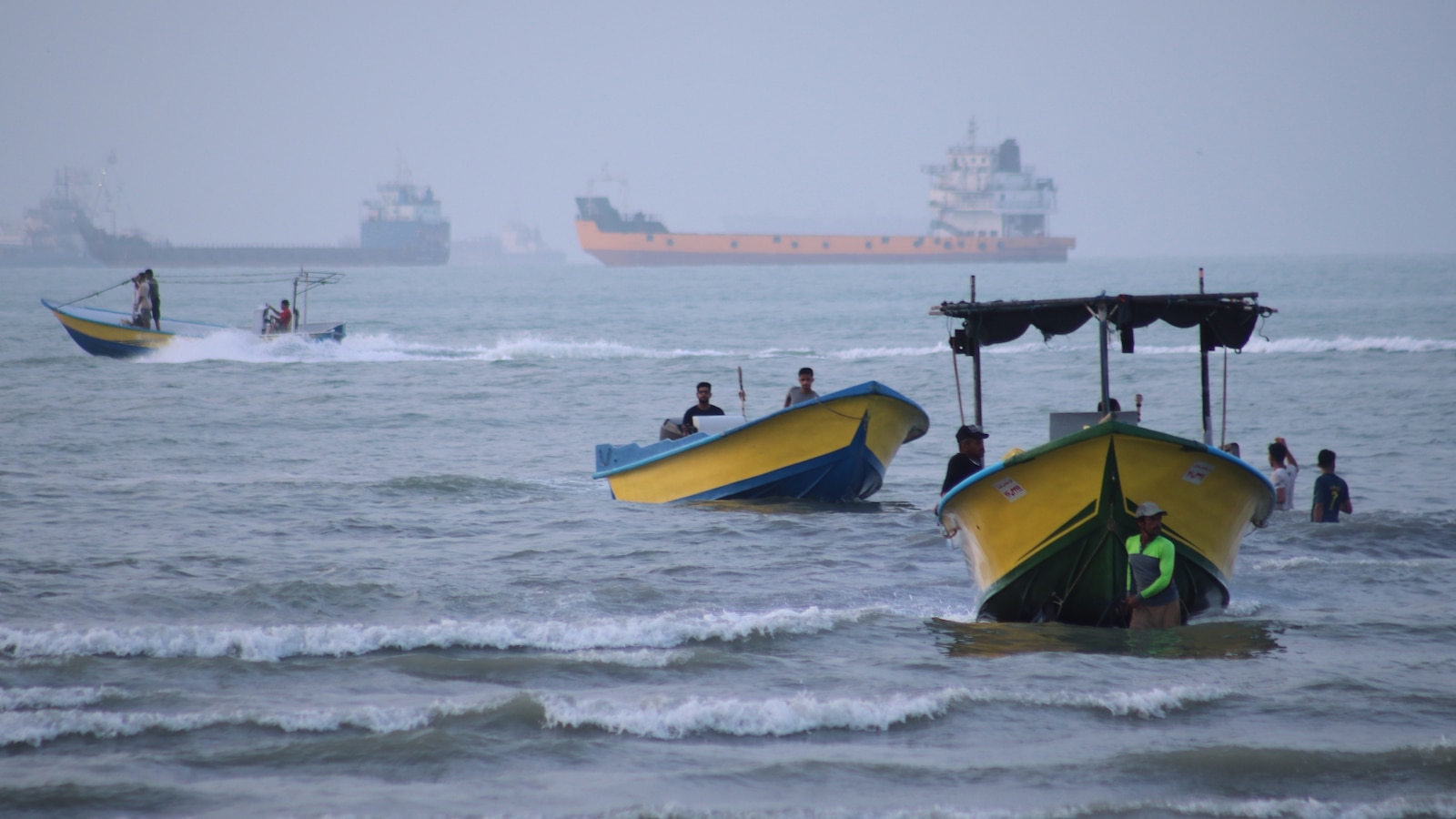
Mediators led by Qatar and Pakistan work to revive a collapsed ceasefire as shipping through the Strait of Hormuz drops to a three-week low.
Continue with
CAIRO -- Mediators have made progress in bringing the United States and Iran back to negotiations, regional officials said Monday, after both sides paused attacks. Saudi Arabia said it had shot down drones fired by Iran-backed militias in Iraq that targeted its petroleum facilities. Iran-backed Houthi rebels in Yemen claimed to have attacked Saudi oil facilities as part of a separate conflict.
Neither the U.S. nor Iran reported carrying out any attacks for three days. That pause followed roughly two weeks of sustained bombardments after Iran fired on ships transiting the Strait of Hormuz. U.S. President Donald Trump said Iran reached out directly for more discussions “because we’ve been hitting them very hard.” Iran said there are no direct talks underway.
“We’re having good talks, so we’ll see what happens,” Trump told reporters Monday on Air Force One. “I think there’s a good chance that something could happen. And if it does, good. If it doesn’t, we go back to doing what we were doing two days ago.”
Two regional officials, speaking on condition of anonymity, said mediators led by Qatar and Pakistan were working to bridge the gap between Washington and Tehran. The goal is returning to an interim ceasefire deal that collapsed after exchanges of fire.
Commercial shipping traffic in the Strait of Hormuz hit a three-week low, a maritime body overseen by the U.S. Navy said Sunday. No new attacks had been confirmed in the past 72 hours. Traffic remained steady through the Bab el-Mandeb strait to the Red Sea.
The U.S. military said its recently reimposed naval blockade against Iran continued, with 17 commercial ships redirected, two disabled and two boarded.
Iran’s Foreign Ministry spokesperson, Esmail Baghaei, said during a news conference in Tehran on Monday that “mediators may convey messages to us from the American side” but that there were no direct negotiations. He said Iran and Oman talked Friday and Saturday on how to manage ship traffic through the Strait of Hormuz. Their aim is to “develop mechanisms to ensure safe navigation through the Strait of Hormuz while respecting the sovereign rights and sovereignty of both coastal states, as well as Iran’s security and national interests,” Baghaei said. He stressed the waterway remains closed.