Stocks● Neutral
Strait of Hormuz ship traffic hits war-era high after Iran-Saudi truce
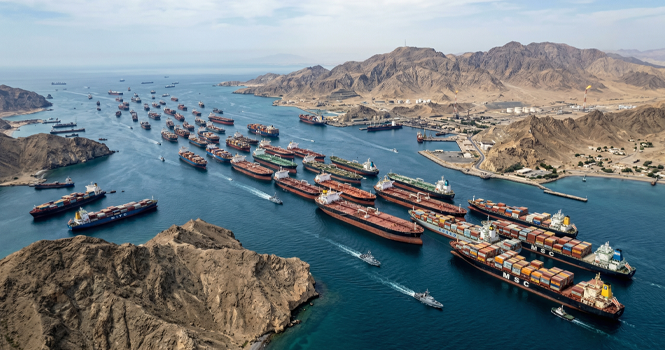
Ship traffic through the Strait of Hormuz hit 18 vessels per day after the Iran-Saudi truce, up from 12. War-risk premiums dropped to 0.25% from 1.5%.
Continue with
Ship traffic through the Strait of Hormuz hit its highest level since the Middle East conflict escalated in late February, after Iran and Saudi Arabia signed a truce. The number of vessels crossing the chokepoint averaged 18 per day in the week ending March 12, up from 12 the prior week, according to tanker-tracking data from Vortexa.
The jump reflects a sharp de-escalation of tensions that had driven insurers to jack up war-risk premiums for Persian Gulf voyages. Several shipping lines had diverted cargoes around the Cape of Good Hope after a string of attacks on commercial ships near the Strait in late February. The truce, brokered by China and announced March 10, included a pledge from both sides to avoid targeting civilian vessels.
Crude oil tankers made up roughly half the traffic increase, Vortexa data show. Liquefied natural gas carriers and container ships accounted for the rest. The return of tanker traffic matters for global oil markets because about 20% of the world's seaborne crude moves through the Strait. A sustained disruption could have pushed Brent crude above $100 a barrel, traders said.