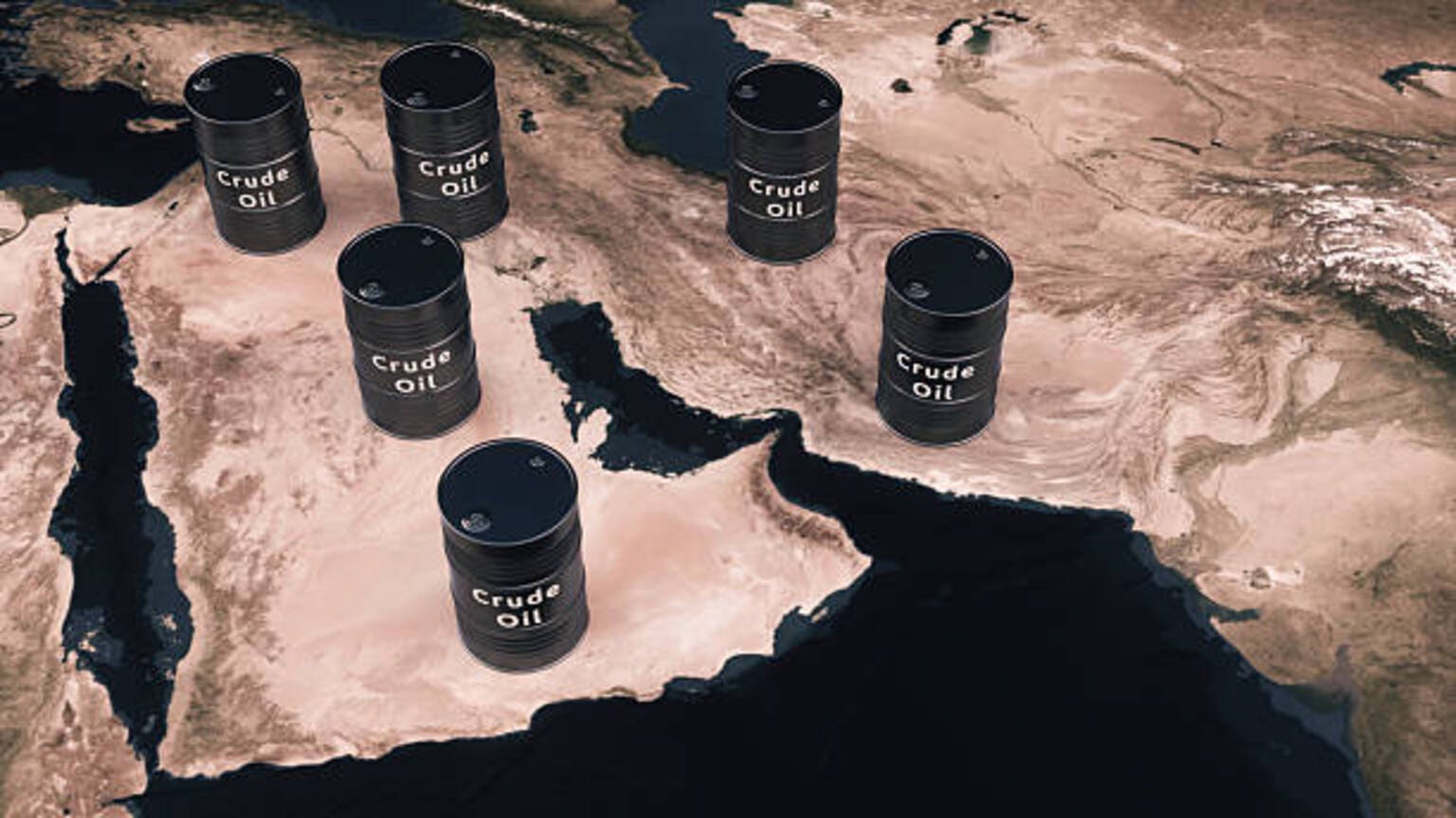
The reopening of the Strait of Hormuz removes a geopolitical risk that had supported crude prices. For Patterson-UTI Energy, one of the largest onshore drilling contractors in the U.S., that development introduces fresh downside.
Oil prices and drilling activity are closely linked. When West Texas Intermediate crude falls below $70 a barrel, exploration and production companies tend to cut spending. That reduces demand for drilling rigs, hitting both utilization and dayrates. Patterson-UTI, which operates a fleet of roughly 140 rigs, reported utilization of about 80% in the most recent quarter. If activity slows, that figure would decline, and dayrates, already under pressure, would fall further, analysts have said.
The Strait of Hormuz is a critical chokepoint for about 20% of global oil transit. Tensions in the region had raised the risk of a disruption, supporting crude prices. The reopening, which follows a period of eased geopolitical conflict, removes that risk and allows supply to flow more freely, potentially adding to global inventories.
The risk is not immediate. Oil prices have held above $70 for most of 2025. The macro backdrop is shifting. Global demand growth is slowing, and OPEC+ is set to unwind some production cuts later this year. Some analysts say that combination could push oil lower in the second half. A sustained drop below $70 would trigger a rig count reversal within two to three months, according to sell-side analysts covering oilfield services.
Patterson-UTI has some buffer. About 60% of its rigs were on term contracts in the recent quarter, according to company filings. Those contracts, typically one to two years in duration, provide revenue visibility. If operators choose not to renew, the share of spot-market rigs grows. Spot rigs are more sensitive to oil price swings, leaving revenue more exposed.
A recovery in natural gas prices could provide a second leg of support. Patterson-UTI has exposure to the Haynesville shale, where drilling is driven by gas prices. If Henry Hub rises above $3, activity could pick up. OPEC+ could also delay or reduce its planned output increase, which would support crude.
The company's financials face pressure if the downturn deepens. Patterson-UTI carries about $1.5 billion in debt. The breakeven utilization rate is estimated at around 65%, according to industry estimates. Below that, the company reports operating losses. During the 2020 oil price crash, the U.S. rig count fell from nearly 800 to under 300. Patterson-UTI idled most of its fleet. A repeat of that magnitude is unlikely. Even a modest decline pressures earnings. The company's dividend of $0.08 per share, yielding about 1.5%, could be at risk if cash flow tightens.
Patterson-UTI competes with Nabors Industries and Helmerich & Payne for drilling contracts. The company's fleet of 140 rigs includes both AC and SCR types. The mix of term and spot contracts varies by basin. In the Permian, where operators have longer-term commitments, the company has been adding multi-year contracts. In the Haynesville, activity is more tied to gas prices. Capital spending runs about $200 million annually, according to company filings. A downturn would force cuts. The company's interest coverage ratio is adequate but would tighten if earnings decline.
The broader energy sector has underperformed relative to the stock market analysis overall. The S&P 500 energy index is down 5% year to date. Patterson-UTI has fallen 12% over the same period. The stock trades at roughly 8 times forward earnings, a discount to the market but in line with oilfield services peers. Patterson-UTI carries no Alpha Score from AlphaScala, reflecting a lack of clear directional signal on the stock's risk-reward profile. The next Baker Hughes rig count release, due Friday, provides an early data point on whether drilling activity is slowing.