Macro● Neutral
Strait of Hormuz Reopening: Trump Claims Military Dominance
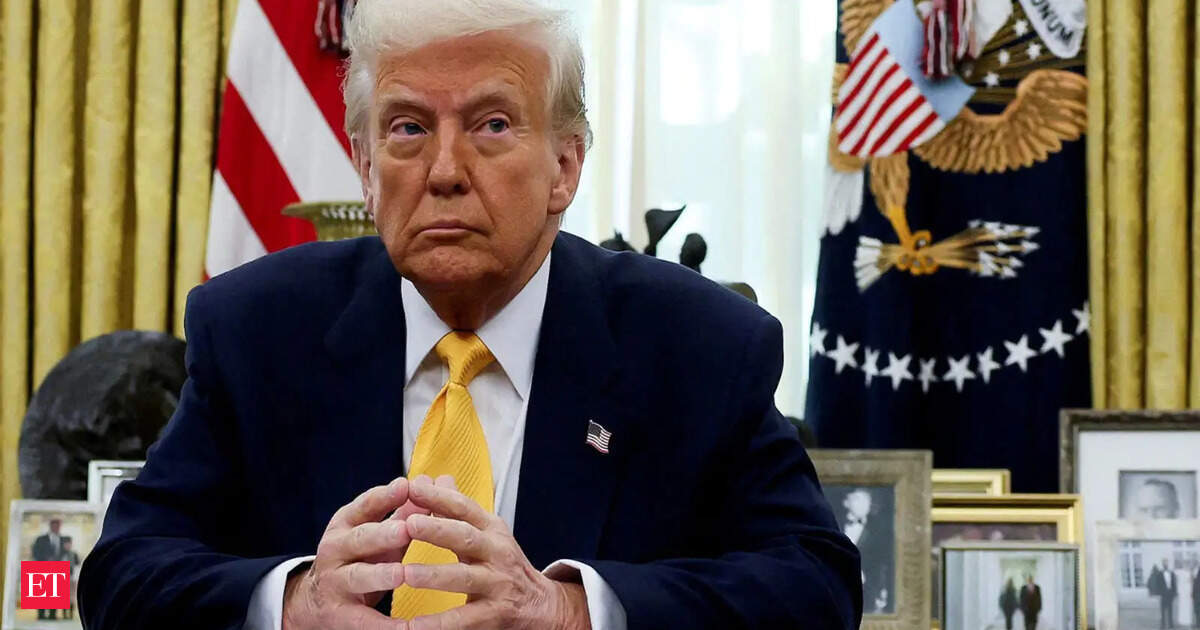
As the ceasefire enters its fourth day, markets weigh the 20% of global oil supply moving through the Strait. Watch for the unwinding of the energy war premium.
Continue with
Geopolitical Stability Returns to the Persian Gulf
Global energy markets are bracing for a potential shift in supply chain dynamics as United States President Donald Trump issued a bold proclamation regarding the Strait of Hormuz, asserting that the critical waterway will be “open soon.” This development follows a period of intense volatility that has gripped the global economy, as the strategic chokepoint—which facilitates the passage of approximately 20% of the world’s total oil consumption—has remained largely obstructed during a six-week period of armed conflict.
President Trump’s remarks were bolstered by a significant claim regarding the state of the regional power balance, with the President stating that the U.S. has “completely destroyed” Iran’s military capabilities. While the veracity of the total neutralization of military assets remains a point of intense scrutiny among defense analysts, the geopolitical signal is clear: the administration is signaling a definitive end to the hostilities that have roiled energy markets for nearly a month and a half.
A Fragile Calm Settles Over the Region
As of today, a tenuous ceasefire has officially entered its fourth day. The cessation of hostilities marks the first major reprieve in a six-week conflict that not only threatened to escalate into a broader regional war but also exerted significant upward pressure on global crude prices. Throughout the fighting, the disruption of tanker traffic through the Strait forced energy producers and refiners to scramble for alternative routes, leading to a surge in shipping costs and insurance premiums.
For the shipping industry, the current lull has triggered an immediate tactical pivot. Reports indicate that vessels, which had been held in staging areas or diverted during the height of the conflict, are now rushing toward U.S. ports. This movement suggests that commercial entities are beginning to price in a normalization of trade, though the longevity of this “open” window remains the primary variable for market participants.