Back to Markets
Stocks● Neutral

Strait of Hormuz Escalation Disrupts Maritime Security and Energy Outlook

Strait of Hormuz Escalation Disrupts Maritime Security and Energy Outlook
SEONUAS

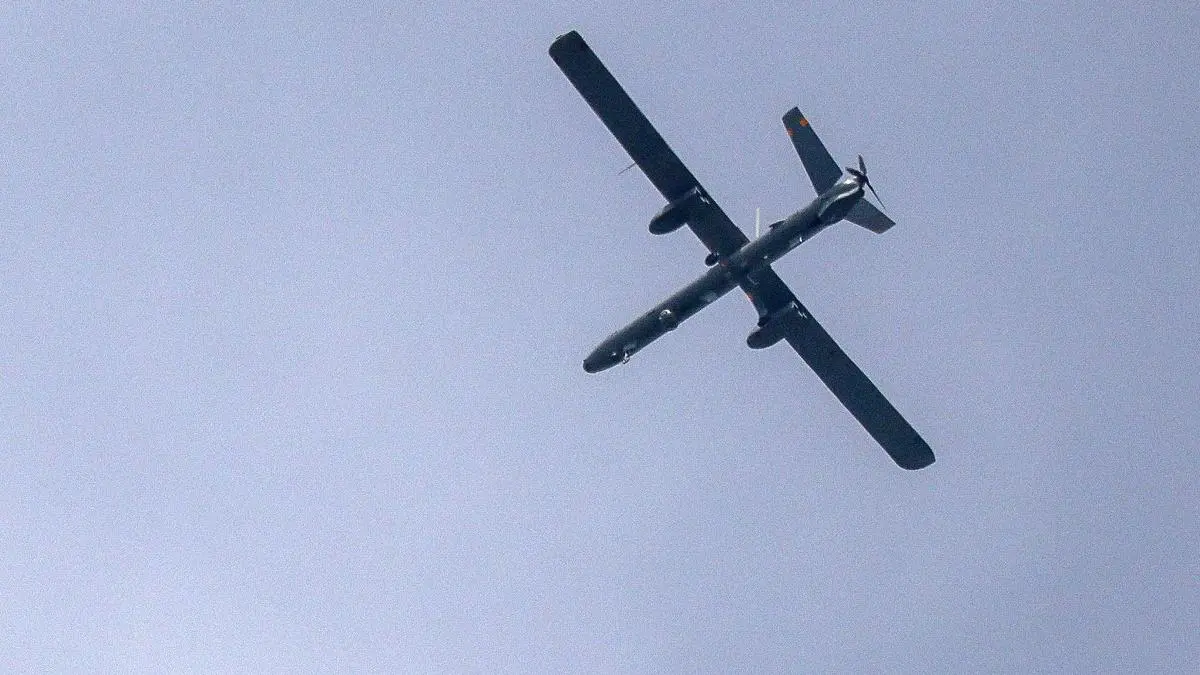
The launch of Iranian drones toward U.S. warships in the Sea of Oman has heightened regional tensions, threatening global energy transit and shipping stability.

AlphaScala Research Snapshot
Live stock context for companies directly referenced in this story
Consumer Cyclical
Alpha Score
43
Weak

Alpha Score of 43 reflects weak overall profile with poor momentum, weak value, strong quality, moderate sentiment.

Alpha Score
45
Weak

Alpha Score of 45 reflects weak overall profile with strong momentum, poor value, poor quality, weak sentiment.

Alpha Score
42
Weak

Alpha Score of 42 reflects weak overall profile with moderate momentum, weak value, poor quality, moderate sentiment.

Consumer Cyclical
Alpha Score
47
Weak

Alpha Score of 47 reflects weak overall profile with moderate momentum, poor value, moderate quality. Based on 3 of 4 signals — score is capped at 90 until remaining data ingests.

This panel uses AlphaScala-native stock data, separate from the source wire linked above.

The launch of Iranian drones toward United States warships in the Sea of Oman marks a significant escalation in regional hostilities, directly threatening the stability of one of the world's most critical energy transit corridors. This tactical engagement follows a reported attack on an Iranian commercial vessel, shifting the narrative from localized maritime disputes to a direct confrontation between state military forces. The Strait of Hormuz serves as a primary artery for global oil and liquefied natural gas exports, and any sustained disruption to traffic through these waters creates immediate pressure on global supply chains.

Maritime Security and Energy Transit Risks

The immediate concern for global markets involves the potential for restricted passage through the Strait of Hormuz. Energy markets are sensitive to geopolitical friction in this region because a substantial portion of daily global oil production passes through this narrow chokepoint. If the current drone activity leads to a broader closure or a significant increase in insurance premiums for commercial shipping, the resulting supply chain friction will likely manifest in higher energy costs. The involvement of military assets on both sides suggests that the risk of miscalculation remains elevated, which complicates the ability of shipping firms to maintain consistent schedules.

Sectoral Read-Through and Asset Sensitivity

Investors are currently evaluating the exposure of consumer cyclical and technology sectors to potential energy price volatility. Higher fuel costs typically act as a tax on consumer spending, impacting companies that rely on global logistics and discretionary demand. For instance, firms like AS and SE face indirect pressure when shipping costs rise or when regional instability dampens consumer sentiment in emerging markets. Similarly, technology manufacturers such as ON must navigate the broader macroeconomic uncertainty that follows sudden spikes in energy prices, as these costs often filter into manufacturing overhead and logistics expenses.

AlphaScala data currently reflects a cautious outlook for these sectors, with AS holding an Alpha Score of 47/100, ON at 45/100, and SE at 43/100. All three are currently labeled as Mixed, indicating that current market conditions are not yet providing a clear directional signal for these equities despite the heightened geopolitical risk.

The Path Toward De-escalation or Conflict

The next concrete marker for this situation will be the response from regional and international diplomatic channels regarding the safety of commercial transit. Market participants should monitor for updates on insurance coverage for vessels operating in the Sea of Oman and the Strait of Hormuz. Any formal announcement regarding the suspension of shipping lanes or the deployment of additional naval assets by international coalitions will serve as the next indicator of whether this conflict remains contained or expands into a broader disruption of global trade. The stability of energy prices in the coming sessions will depend heavily on whether the current military posturing leads to a sustained blockade or a return to standard maritime operations.

How this story was producedLast reviewed Apr 20, 2026

AI-drafted from named sources and checked against AlphaScala publishing rules before release. Direct quotes must match source text, low-information tables are removed, and thinner or higher-risk stories can be held for manual review.

Editorial Policy·Report a correction·Risk Disclaimer