Strait of Hormuz Drone Intercept: Crude Oil Risk Watch
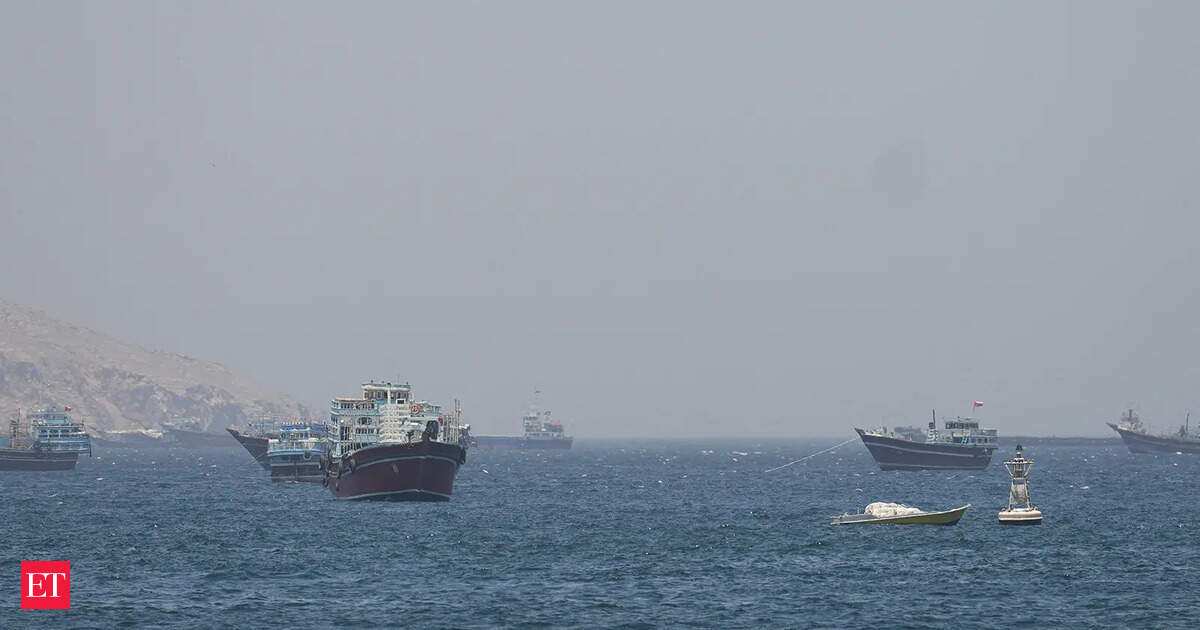
Two Iranian attack drones shot down near the world's key oil chokepoint. What this means for crude, tanker stocks, and insurance premiums. Plus the confirm/weaken checklist to separate noise from regime shift.
US forces shot down two Iranian attack drones in the Strait of Hormuz, a move that military sources described as part of a fresh escalation in the region. For crude oil, tanker equities, and Gulf-exposed assets, the intercept opens a concrete trigger chain. The event itself is small in scale. The location is the world's most critical oil chokepoint.
The Strait of Hormuz Exposure
Roughly 20% of global oil consumption passes through the strait each day. A single disruption tightens the physical market by raising war-risk insurance premiums, delaying transits, and forcing ship operators to reroute via the Cape of Good Hope. The cost of rerouting can add 15-20 days to a voyage from the Persian Gulf to Europe or the US Gulf Coast.
Why This Incident Carries a Higher Signal
Previous intercepts in the region were often dismissed as routine posturing. This event carries the descriptor "fresh escalation" from unnamed military sources. If Iran views the shootdown as a hostile act rather than a defensive one, the next response could target commercial vessels directly, mirroring the 2019 limpet mine attacks off Fujairah.
Key insight: The metric to track is not the drone count. It is the change in maritime security patrols, insurance surcharges, and the presence of naval escorts. Each of those data points has a faster price impact than a diplomatic statement.
| Transmission Channel | Observable Metric | Price Impact (Typical) |
|---|---|---|
| Physical supply perception | Brent M1-M3 spread in backwardation | +2–5% intraday crude spike |
| Tanker cost | War-risk insurance premium per voyage | Freight rates +15–30% |
| Inventory hoarding | Regional crude differentials (Brent vs. Dubai) | Widens by $1–3/bbl |
Oil Price Reaction Mechanism
Brent crude typically spikes 2–5% on first reports of a Hormuz incident, then fades if no second event follows. The fade is a liquidity event: algorithmic flows push prices higher, then mean-revert as the headline ages. A second intercept or a confirmed attack on a commercial vessel breaks that pattern and forces a structural repricing.
What Changes the Fade Pattern
A single drone intercept can be managed. Two within 72 hours signal a pattern. The market will watch Brent's term structure. A move into deeper backwardation (M1 > M6 by more than $2) confirms the market is pricing physical scarcity rather than just headline risk.
Tanker Stocks and Freight Rates
Owners of crude tankers – names like Frontline, Euronav, and Scorpio Tankers – see an immediate freight rate uplift when Hormuz risk rises. The Baltic Dirty Tanker Index (BDTI) is the real-time proxy. A jump of 10% or more in the BDTI within one session signals the risk is being priced into freight rather than just oil futures.
Insurance Premiums as a Leading Indicator
War-risk insurance for a standard Suezmax crossing the strait can jump from about $10,000 per voyage to $150,000 or more during an escalation. That cost feeds directly into the price of delivered crude and widens regional differentials. The market reads a sustained insurance premium increase as a more credible signal than a government statement.
Practical rule: If the BDTI rises and war-risk insurance doubles, the trade shifts from a tactical fade to a structural long in crude and tanker names. If neither moves, the oil market is dismissing the event.
The Confirmatory Checklist
A risk event demands clear triggers that separate a fadeable headline from a lasting regime shift. Without these, treat the intercept as noise.
- A second naval engagement in the strait within 72 hours
- A formal warning from Iran's navy or IRGC about restricted passage
- A jump in Brent's backwardation structure above $2/bbl (M1-M3 spread)
- A sudden increase in tanker detours via the Cape of Good Hope (tracked via AIS data)
- An announcement from Saudi Arabia or the UAE that they are increasing strategic oil reserve drawdowns
Each of these signals moves the probability from "incident" to "crisis." Traders should shift from tactical fade trades to structural long positioning only after two or more of these triggers fire.
What Would Weaken the Thesis
De-escalation has its own signature. The market will watch for:
- A joint US-Iranian statement that the incident is resolved
- Continued normal passage of at least three major tankers through the strait without insurance premium increase
- A drop in Brent intraday volatility below the 20-day average
- No follow-up intercept reports within one week
If those conditions appear within five trading days, the oil market will likely erase the spike. Traders should treat any position as a short-term tactical overlay, not a multi-month structural thesis, until the confirmatory triggers fire.
Practical Trader Framework
This is not a news recap. The framework is a chain: drone intercept → insurance cost → tanker freight → oil term structure. Each link has a concrete observable. Track the Baltic Dirty Tanker Index, the Brent M1-M3 spread, and the cost of war-risk insurance for the Arabian Gulf. If all three move in tandem with Hormuz headlines, the risk is real. If they diverge, the market is dismissing the event.
The next watchlist entry: the next 48 hours of shipping data and any official Iranian response. A single intercept can be faded. A pattern cannot.
Drafted by a large language model from the source reporting linked above, then screened by automated publishing checks. It is not read by a journalist before publication. Some articles cite our Alpha Score. Verify prices and figures against the original source. Educational coverage, not personalized advice.