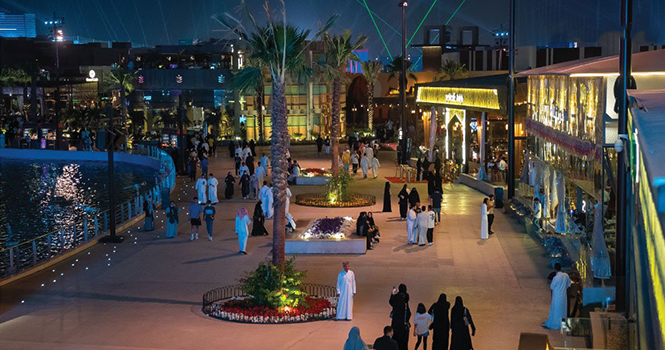
Saudi Arabia has reached record levels of Umrah performers and international pilgrims, marking a significant milestone in the kingdom's broader economic diversification strategy. This surge in visitor volume serves as the primary indicator that the infrastructure investments prioritized under the national development agenda are now yielding measurable traffic. The ability to scale hospitality and transit capacity to accommodate these historic figures validates the operational phase of the kingdom's tourism expansion.
Scaling Infrastructure for High-Volume Transit
The ability to process record-breaking numbers of pilgrims reflects the successful integration of new transport hubs and expanded accommodation capacity. By focusing on the logistical throughput of the holy sites, the government has effectively removed previous bottlenecks that historically capped visitor growth. This shift moves the narrative from theoretical development goals to tangible execution metrics. The rapid rollout of new destinations is designed to extend the duration of stay for these visitors, transforming the sector from a transit-heavy model to a multi-day tourism experience.
This expansion is not merely about volume but about the integration of a broader service economy. The development of secondary destinations surrounding the primary pilgrimage routes suggests a strategy to capture higher per-capita spending. As the Saudi Vision 2030 Performance Metrics Signal Broad Economic Realignment indicate, the success of these initiatives is critical for reducing reliance on traditional energy exports. The current momentum suggests that the kingdom is successfully transitioning from a capital-intensive construction phase to a revenue-generating operational phase.
Sector Read-Through and Economic Diversification
The tourism sector is now acting as a primary engine for non-oil GDP growth. Investors are observing how this influx of international visitors influences the demand for domestic services, including retail, hospitality, and digital payment infrastructure. The current data points to several key areas of impact:
- Increased utilization of newly commissioned airport facilities and high-speed rail networks.
- Higher occupancy rates across hospitality assets in proximity to religious sites.
- Accelerated demand for localized digital services and fintech solutions tailored to international travelers.
This growth trajectory provides a clearer view of how the kingdom plans to sustain its economic momentum. By leveraging the consistent demand of religious tourism, the government is creating a stable baseline of revenue that supports the development of broader leisure and business tourism. This strategy effectively de-risks the massive capital expenditures required to build out the necessary infrastructure. The ability to maintain these record levels will be the primary test for the long-term viability of the Deal Flow Analysis: Assessing Capital Allocation Shifts Across Sectors currently observed in the region.
The next concrete marker for this sector will be the release of quarterly non-oil revenue data, which will confirm the extent to which this surge in visitor volume is translating into direct fiscal gains. Analysts will look for confirmation that the increase in tourism activity is driving a corresponding rise in private sector participation and service-industry employment. Future updates on hotel occupancy rates and average daily rates will provide further clarity on the profitability of these new assets.