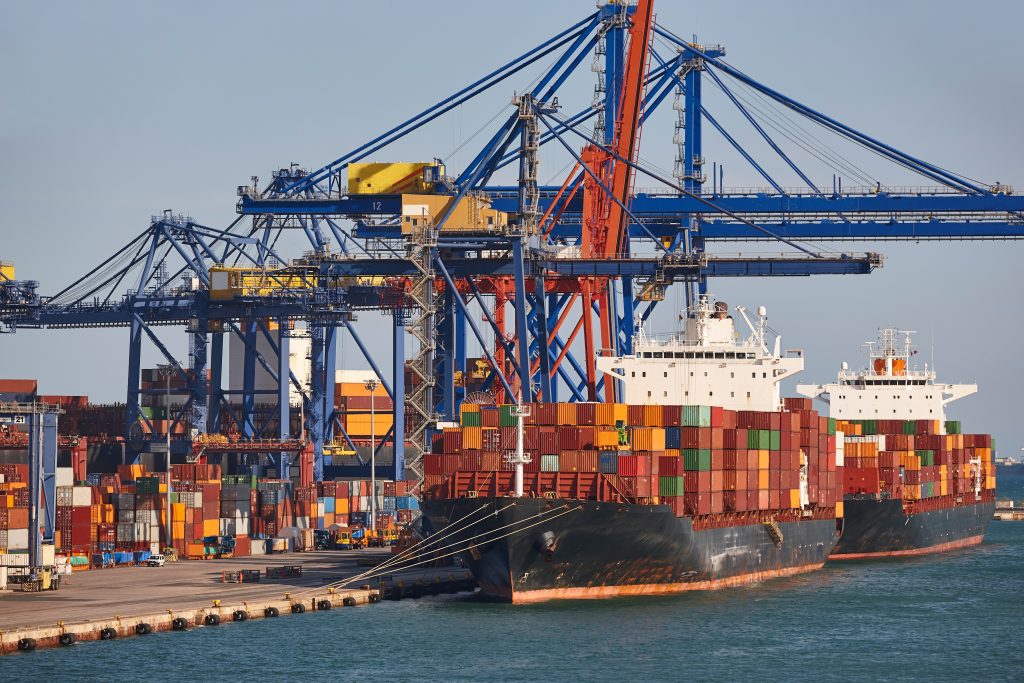
Ongoing instability in the Strait of Hormuz has forced a structural shift in logistics planning for European and UK retailers. The disruption, stemming from regional conflict, has effectively constrained one of the world's most critical maritime corridors. This bottleneck is forcing freight operators to reroute vessels, extending transit times and increasing the cost of goods landed in Western markets.
Logistics Constraints and Inventory Costs
The primary impact of the current maritime volatility is the forced transition from predictable, just-in-time delivery schedules to longer, more expensive shipping routes. Retailers are facing a dual challenge as they prepare for peak holiday demand. First, the extended time at sea ties up capital in inventory that remains in transit for longer periods. Second, the added fuel and insurance premiums associated with alternative shipping paths are creating upward pressure on the final retail price of consumer goods.
Supply chain managers are currently navigating a environment where the traditional cost-benefit analysis of global sourcing is being rewritten. The reliance on the Strait of Hormuz for energy and manufactured goods means that even minor fluctuations in regional security translate into immediate operational friction. Retailers are now forced to weigh the cost of higher freight rates against the potential for stockouts during the most critical sales periods of the year.
Sector Read-Through and Operational Adjustments
The ripple effects of these logistical hurdles extend beyond simple price increases. Companies are re-evaluating their reliance on long-haul supply chains that depend on high-risk maritime chokepoints. This shift is prompting a move toward regionalized inventory management and a greater emphasis on stock visibility. For many firms, the current crisis serves as a catalyst to diversify sourcing locations to mitigate the risk of a single point of failure in the global shipping network.
AlphaScala data currently tracks various sectors for resilience against these logistical shocks. For instance, Q stock page carries an Alpha Score of 68 out of 100, reflecting a moderate outlook within the technology sector, while A stock page holds an Alpha Score of 55 out of 100 in the healthcare sector. Both companies operate within broader supply chains that are sensitive to the same inflationary pressures currently impacting the retail sector.
The Path Toward Future Stability
The next concrete marker for this narrative will be the upcoming quarterly inventory reports and guidance updates from major retailers. These filings will reveal the extent to which companies have successfully passed on increased freight costs to consumers or absorbed them into their own margins. Investors should monitor whether firms report a pivot toward higher safety stock levels, which would indicate a long-term adjustment to the current geopolitical reality rather than a temporary reaction to the crisis.
As the market continues its stock market analysis regarding global trade, the focus remains on whether shipping capacity can stabilize before the holiday season reaches its zenith. Any further escalation in the region will likely force a secondary wave of adjustments in retail pricing strategies and inventory management timelines. The ability of firms to maintain supply chain integrity during this period will be a primary indicator of their operational health heading into the next fiscal year.