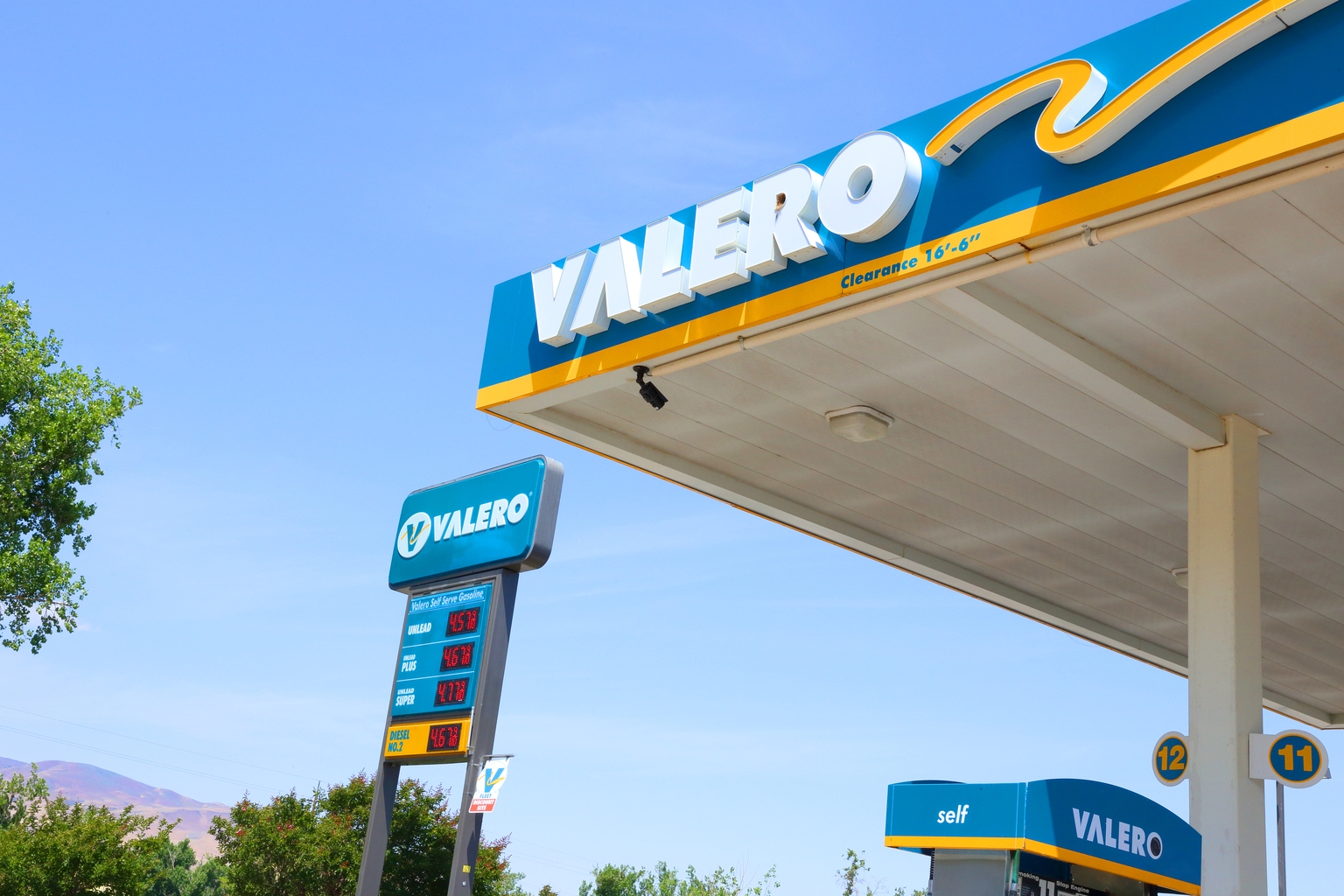
The closure of the Strait of Hormuz has triggered an immediate supply shock in the global refined products market, placing Valero Energy Corporation (VLO) at the center of a potential margin expansion cycle. As a critical chokepoint for global crude flows, any sustained disruption forces a recalibration of regional refining economics. For VLO, the immediate impact is a shift in the cost-benefit analysis of its Gulf Coast refining assets, which are now positioned to capture higher crack spreads as global supply chains scramble to reroute energy shipments.
Refining Margin Mechanics and Supply Constraints
The naive interpretation of this event is that higher oil prices are universally bullish for energy companies. The better market read focuses on the specific mechanics of the refining sector. When crude transit is restricted, the scarcity of refined products often outpaces the rise in crude input costs. This decoupling allows refiners to expand margins significantly. VLO, with its massive footprint in the U.S. Gulf Coast, benefits from the relative abundance of domestic crude compared to the tightening global supply of finished products like gasoline and diesel.
This dynamic mirrors the 2022 super-cycle where logistical bottlenecks created massive regional price disparities. If the Strait of Hormuz remains closed, the primary risk is not just the cost of crude, but the operational difficulty of maintaining throughput levels if global crude inventories tighten further. Traders should monitor the spread between WTI and Brent, as a widening gap often signals that domestic refiners like VLO are gaining a competitive advantage over international peers who are more exposed to the immediate, higher-cost crude imports.
Sector Positioning and Midstream Linkages
Beyond the refining floor, the broader energy infrastructure landscape is adjusting to the new flow patterns. Companies like Phillips 66 (PSX) and Enterprise Products Partners (EPD) are critical to the logistics chain that supports these refining operations. While VLO manages the conversion process, the midstream capacity provided by EPD ensures that the necessary feedstock reaches the Gulf Coast. Investors assessing this sector should note the varying Alpha Scores: VLO currently holds an Alpha Score of 50/100, while PSX and EPD both maintain a score of 59/100, reflecting a moderate outlook across the energy value chain.
For those tracking the crude oil profile, the current situation is less about a permanent shift in demand and more about a violent, short-term repricing of logistical risk. The sustainability of this windfall depends on the duration of the transit disruption and the ability of domestic refiners to maintain high utilization rates despite potential volatility in input costs. If global crude prices spike beyond the $125 oil recession threshold, demand destruction could eventually offset the margin gains currently being priced into the refining sector.
The next concrete marker for this setup will be the upcoming inventory data releases, which will confirm whether the supply shock is being mitigated by strategic reserves or if the market is entering a sustained period of scarcity. Any sign of a drawdown in domestic refined product inventories will serve as a confirmation of the current bullish thesis for refiners, while a buildup would suggest that the market has already priced in the worst of the logistics disruption.