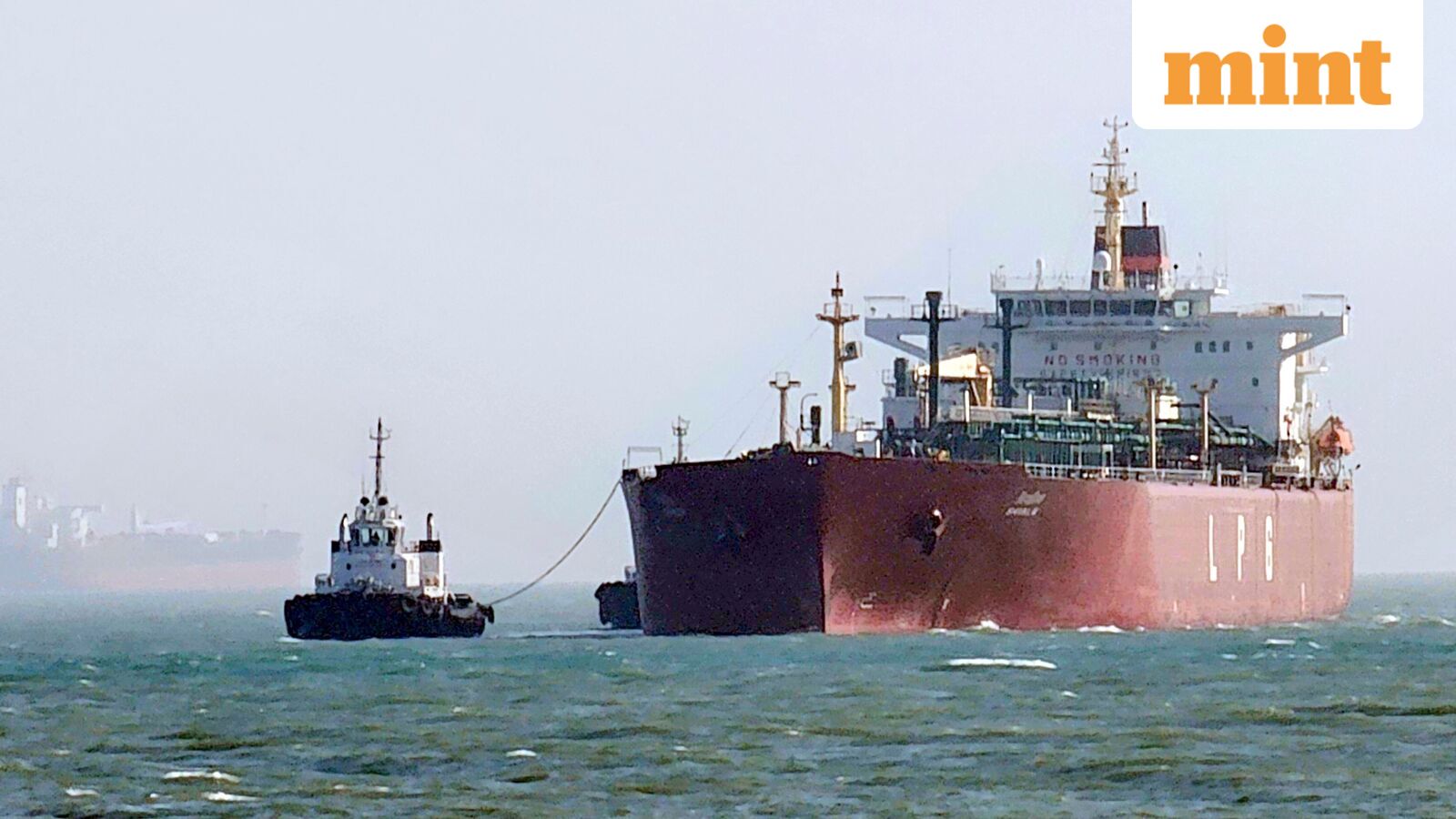
The renewed closure of the Strait of Hormuz by Iran marks a sharp reversal in regional stability, effectively terminating the brief window of optimism surrounding recent peace talks. This escalation follows the intensification of United States economic pressure, forcing a return to the status quo of supply chain volatility. The immediate impact is a tightening of maritime security, which directly threatens the flow of energy exports through one of the world's most critical transit corridors.
Maritime Security and Energy Supply Chain Disruption
The closure forces a recalibration of risk across global energy markets. Because the Strait of Hormuz serves as a primary artery for oil and liquefied natural gas shipments, any prolonged restriction necessitates a rapid adjustment in logistics and insurance premiums for maritime operators. This shift creates an immediate bottleneck that affects not only regional producers but also the global industrial sectors reliant on consistent energy inputs. The standoff highlights the fragility of current supply chains when geopolitical friction overrides diplomatic efforts.
Sectoral Read-Through and Industrial Exposure
The ripple effects of this maritime disruption extend into sectors that rely on stable energy pricing and predictable shipping lanes. Companies with heavy reliance on international logistics face immediate margin pressure as fuel surcharges and transit delays mount. This environment complicates the operational outlook for firms that have recently navigated complex capacity milestones and regulatory shifts to maintain their market positioning.
AlphaScala data currently reflects the broader market uncertainty, with several key tickers showing varied stability metrics:
- Agilent Technologies, Inc. (A stock page) holds an Alpha Score of 55/100.
- ON Semiconductor Corporation (ON stock page) holds an Alpha Score of 45/100.
- Amer Sports, Inc. (AS stock page) holds an Alpha Score of 47/100.
These scores suggest that while individual companies maintain distinct operational profiles, the broader market remains sensitive to external shocks that disrupt the cost of doing business. The current standoff forces a shift in focus from growth-oriented strategies to defensive positioning as investors assess the duration of the closure.
The Path Toward Diplomatic Re-Engagement
For the current standoff to move toward a sustainable resolution, the diplomatic framework must evolve beyond bilateral pressure. The next concrete marker for the market will be the expiration of the current ceasefire and the subsequent response from regional stakeholders. Any indication of a return to multilateral negotiations or a shift in the intensity of economic sanctions will serve as the primary signal for a potential easing of the energy risk premium. Until such a shift occurs, the market will likely prioritize liquidity and supply chain resilience over long-term capital deployment in sectors most exposed to maritime volatility. The focus remains on whether the involved parties can establish a new balance that avoids further escalation in the Strait of Hormuz.