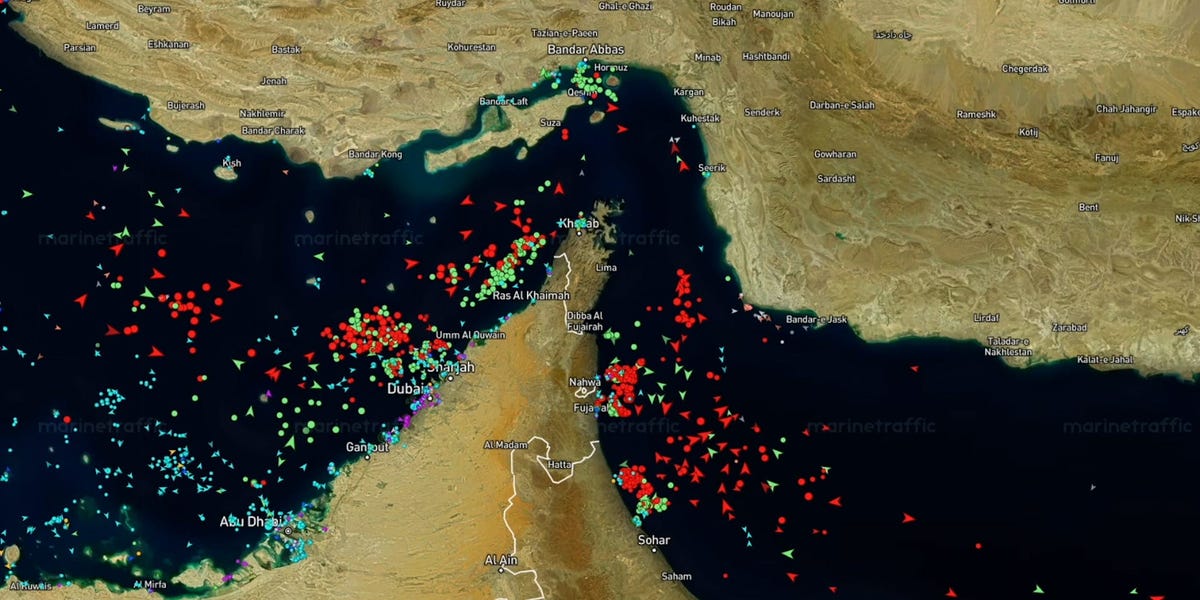
The impending expiration of the ceasefire between the United States and Iran on Wednesday introduces a significant layer of instability to global energy markets. With both nations signaling dissatisfaction with the current status quo through mutual accusations of violations, the risk of a renewed escalation in the Strait of Hormuz has moved to the forefront of regional security concerns. This narrow waterway serves as a critical transit point for a substantial portion of the world's seaborne oil, making any disruption to maritime traffic a primary concern for global energy pricing.
Geopolitical Risk and Energy Transit
The Strait of Hormuz is not merely a regional bottleneck but a central artery for global energy logistics. Any formal breakdown in the ceasefire agreement threatens to shift the narrative from diplomatic containment to active maritime friction. Historically, tensions in this region correlate with immediate spikes in risk premiums for energy-related equities and broader industrial sectors that rely on stable fuel costs. The current situation forces a reassessment of supply chain resilience for companies with high exposure to energy-intensive operations.
Sectoral Read-Throughs and Industrial Exposure
Investors are evaluating how a potential supply shock might ripple through various sectors. Companies with significant manufacturing or logistics footprints often face margin pressure when energy costs fluctuate rapidly. The following sectors are currently under close observation for signs of volatility:
- Energy and Oil Services: Direct sensitivity to maritime transit security and regional production stability.
- Industrials: Vulnerability to sudden increases in shipping and fuel surcharges.
- Technology: Indirect impact through potential broad-market risk aversion and energy-dependent data center operational costs.
AlphaScala data currently reflects a cautious environment for diversified industrials and technology firms, with ON Semiconductor Corporation holding an Alpha Score of 45/100, Agilent Technologies, Inc. at 55/100, and Ingersoll Rand Inc. at 42/100. These scores highlight the current mixed sentiment across these sectors as they navigate broader macroeconomic headwinds alongside geopolitical uncertainty. For more detailed stock market analysis, investors are focusing on how these firms manage input cost volatility.
The Path Toward Wednesday
The immediate catalyst is the Wednesday deadline. The absence of a renewed agreement or a formal extension will likely force a repricing of risk across energy-linked assets. Beyond the immediate diplomatic rhetoric, the focus remains on the physical presence of naval assets in the region and any reports of interference with commercial shipping. The next concrete marker will be the status of maritime traffic through the strait following the expiration, which will serve as the primary indicator of whether the situation remains contained or escalates into a broader supply chain disruption. Market participants are monitoring official statements from both Washington and Tehran for any last-minute diplomatic breakthroughs that could stabilize the current outlook.