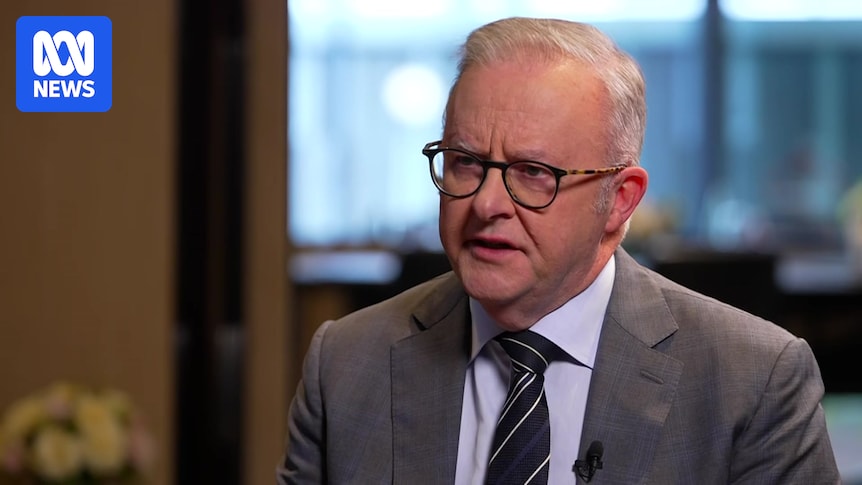
Albanese Maintains Sanctions Stance Amid Supply Crisis
Prime Minister Anthony Albanese confirmed today that Australia will hold its current sanctions regime against Russia and Iran. This policy remains unchanged even as the global energy market grapples with a systemic supply disruption caused by the blockade of the Strait of Hormuz. The blockade has effectively choked a primary artery for global crude transit, forcing a scramble among major importers to secure alternative energy flows.
The government's commitment to these sanctions creates a complex trade-off for the domestic economy. While the diplomatic stance is clear, the physical reality of the blockade threatens to drive up the cost of imported refined petroleum products. Traders should be aware that Australia’s reliance on imported fuel leaves the local market vulnerable to the price spikes currently rippling through global energy desks.
Market Implications and Energy Volatility
The closure of this critical chokepoint forces a re-evaluation of energy risk premiums across both global and domestic markets. Asset classes tied to energy production and transport are likely to see increased volatility as the market prices in a prolonged disruption.
- Crude Oil (CL): Expect continued upward pressure on benchmarks as the market calculates the volume of lost throughput.
- Inflation Expectations: Persistent supply-side shocks often filter through to broader CPI prints, potentially complicating interest rate paths for the RBA.
- Safe-Haven Positioning: Investors frequently shift capital into the gold profile during periods of acute geopolitical instability in the energy sector.
Traders watching the CL futures curve should prepare for significant backwardation if the blockade persists. This structure indicates that the market is paying a premium for immediate physical delivery, a classic sign of localized supply panic. If the blockade drags on, the impact on domestic fuel prices will likely become a primary focus for local equity analysts covering the transport and logistics sectors.
What to Watch
Market participants should monitor the following indicators for signs of escalation or relief:
- Tanker Insurance Premiums: Rising costs for maritime insurance in the region serve as a real-time proxy for the perceived risk of the blockade.
- RBA Communication: Any shift in the central bank's inflation outlook linked to energy costs will be critical for AUD/USD positioning.
- Alternative Supply Routes: Watch for commodities analysis regarding the activation of non-Persian Gulf export infrastructure.
"Prime Minister Anthony Albanese insists Australia's sanctions on Russia and Iran will remain in place as the world scrambles to secure oil supplies."
Geopolitical brinkmanship in the Strait of Hormuz is now a direct variable in Australian economic policy. The government is betting that the strategic necessity of these sanctions outweighs the short-term inflationary pressure of higher energy costs, but the market will ultimately dictate the price of that conviction.