Macro● Neutral
Zohran Mamdani Discloses $7,011 Tax Refund From Creative Assets
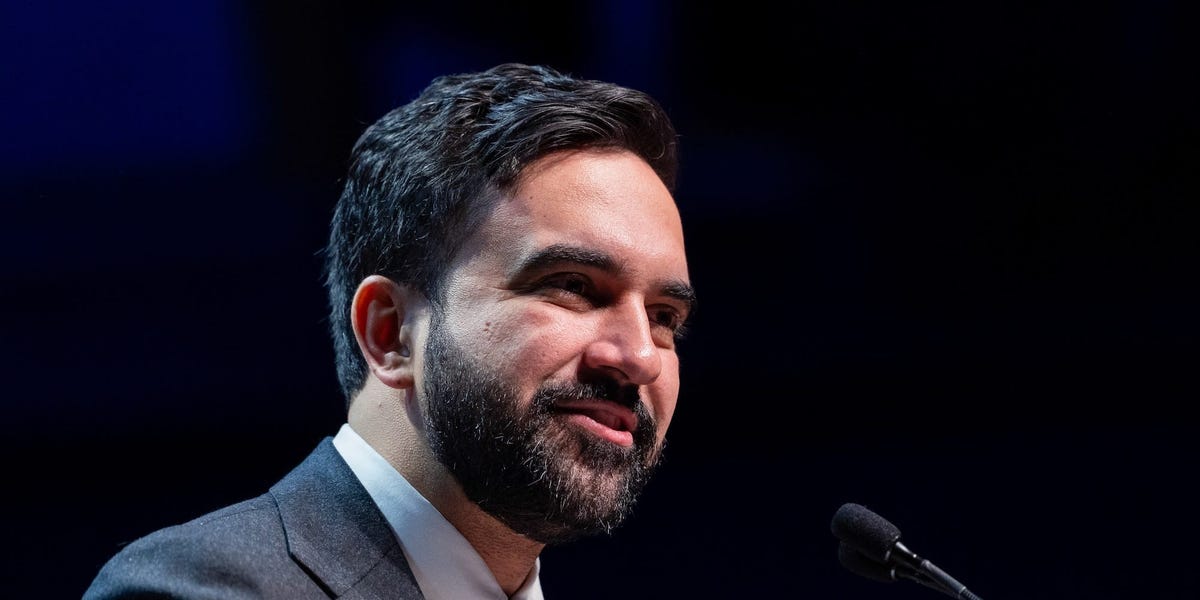
Legislator disclosures reveal residual income from a hip-hop career. These diversified cash flows signal shifting consumption patterns for market analysts.
Continue with
State Assemblymember Zohran Mamdani reported secondary income derived from his past career as a hip-hop artist, supplementing his public sector salary. Financial disclosures reveal the legislator received a $7,011 tax refund for the reported period, consisting of $5,704 from federal filings and $1,307 from New York state authorities.
Diversified Income Profiles
While public service remains his primary professional focus, the persistence of royalty payments or residual income from creative pursuits is a common feature among individuals with prior careers in the entertainment sector. These payments are often non-linear and rely on streaming volume or licensing agreements that do not correlate with traditional labor market cycles.
For traders and analysts, these disclosures offer a window into the broader labor market where 'side hustles' and secondary income streams have become increasingly prevalent. While a tax refund is a function of over-withholding rather than an indicator of net wealth, the inclusion of artistic royalties highlights the shift toward diversified individual cash flows.