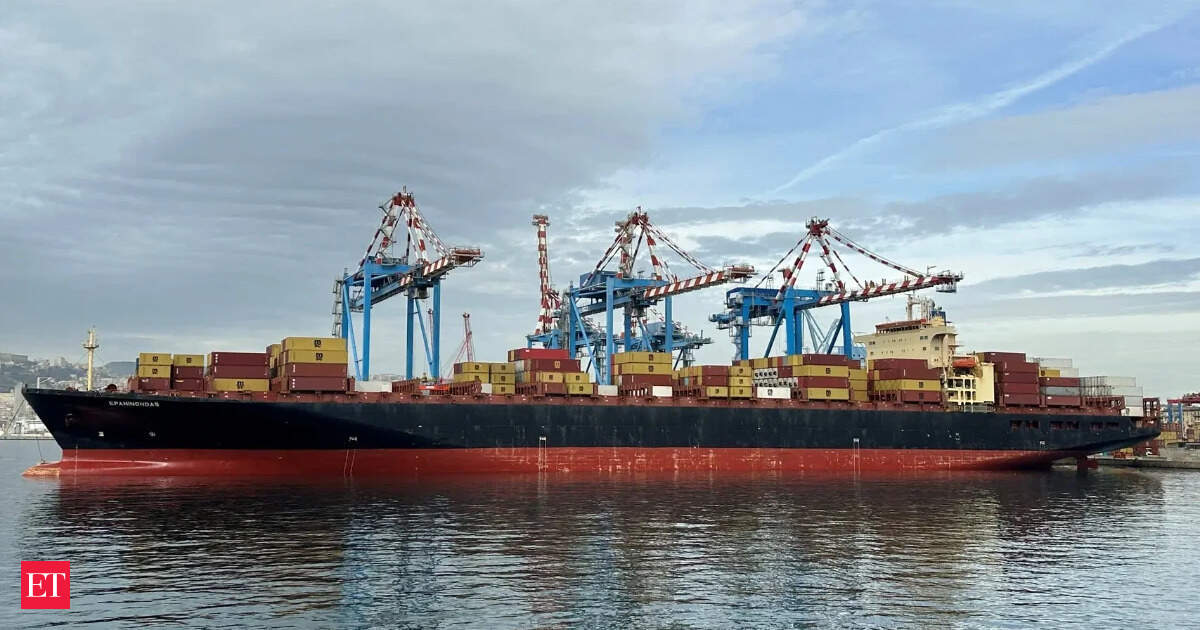
Thirty ships bound for India have moved through the Strait of Hormuz since the Iran conflict escalated. Another 26 are waiting to transit. The vessels that made the crossing carried liquefied petroleum gas (LPG), liquefied natural gas (LNG), crude oil, and dry bulk cargo, shipping data show.
The backlog leaves India – the world's third-largest oil consumer and a major LNG buyer – exposed to a chokepoint that handles about a fifth of global oil flows. Roughly 65% of India's crude imports and a significant share of its LNG come from the Middle East via the Gulf. A prolonged disruption would force refiners to draw inventories or chase cargoes from the Atlantic Basin at higher freight rates.
Ship-tracking firms report that the 26 vessels still waiting include at least eight crude carriers and four LNG tankers. The waiting period has stretched beyond 72 hours for some, longer than typical congestion from routine port traffic. The bottleneck follows a sharp rise in naval patrols and insurance premiums for ships entering the area after the outbreak of hostilities.
Traders in Singapore said spot freight rates for very large crude carriers (VLCCs) on the Persian Gulf-to-India route have climbed roughly 15% since the start of the conflict. War risk premiums now add $200,000–$300,000 per voyage for a VLCC, according to insurance brokers.
India's government has not publicly confirmed whether it is tapping strategic reserves. Analysts at Kpler estimated that India holds about 38 million barrels of crude in its strategic petroleum reserve – enough to cover roughly nine days of net imports at current rates. That buffer shrinks fast if the Strait remains clogged.
The risk is asymmetric in one direction: a quick diplomatic resolution would clear the queue and collapse premium freight rates. An escalation – a mine, a direct tanker strike, or a formal blockade – would push crude and LNG prices higher globally, with India taking the worst of it given its geographic exposure.
For now, the 26 waiting ships are the real-time barometer. Each day they remain queued adds to the probability that Indian refiners begin curtailing run rates or seeking emergency cargoes. Those cargoes would likely come from the U.S. Gulf Coast – including exporters like Cheniere Energy, which has spare LNG capacity above its long-term contracts.
Indian authorities have not imposed any fuel rationing or diversion measures. That could change before the queue clears.