Stocks● Neutral
Stew Leonard's Lettuce Sales Drop 11% Amid Cyclospora; Greenhouse Greens Pushed
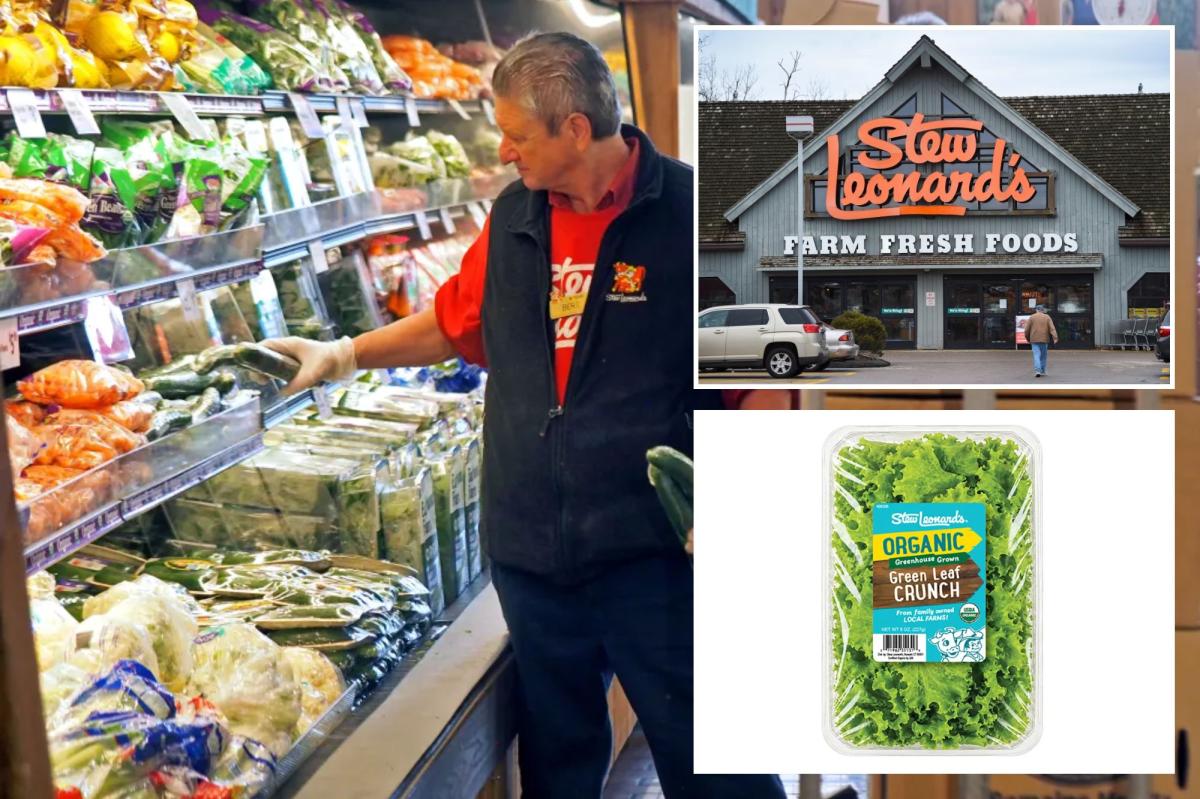
A cyclospora outbreak linked to shredded iceberg lettuce has sent Stew Leonard's lettuce sales down 11% and pushed the chain toward greenhouse-grown alternatives, a shift that could pressure traditional suppliers like Taylor Farms and benefit controlled-environment growers.
Continue with
Lettuce sales at Stew Leonard's fell 11% this week as a multistate cyclospora outbreak tied to shredded iceberg lettuce spread to more than 30 states. The eight-store New York metro chain is cutting orders of bagged lettuce from brands including Andy Boy, Dole and Fresh Express, even though none of those brands have been implicated in the outbreak, CEO Stew Leonard Jr. told The Post.
Leonard is stocking up on greenhouse-grown lettuce from Little Leaf Farms and his own private-label line, Stew Leonard's Organic Greenhouse-Grown Greenleaf Crunch, sourced from the Hudson Valley. Signs going up in stores will say his wife eats lettuce twice a day and he is only buying greenhouse-grown now.
The shift matters for the broader produce supply chain. The outbreak has hit more than 30 states, with about 7,000 people reporting symptoms. The FDA has warned consumers to avoid shredded iceberg lettuce from Mexico served at Taco Bell outlets in five states. The Washington Post reported Thursday that Taylor Farms of Salinas, California, is the likely supplier behind the contamination, though the FDA has not confirmed it. Taylor Farms did not return a request for comment.