Stocks● Neutral
States Outsource Tax Collection as Budget Gaps Widen
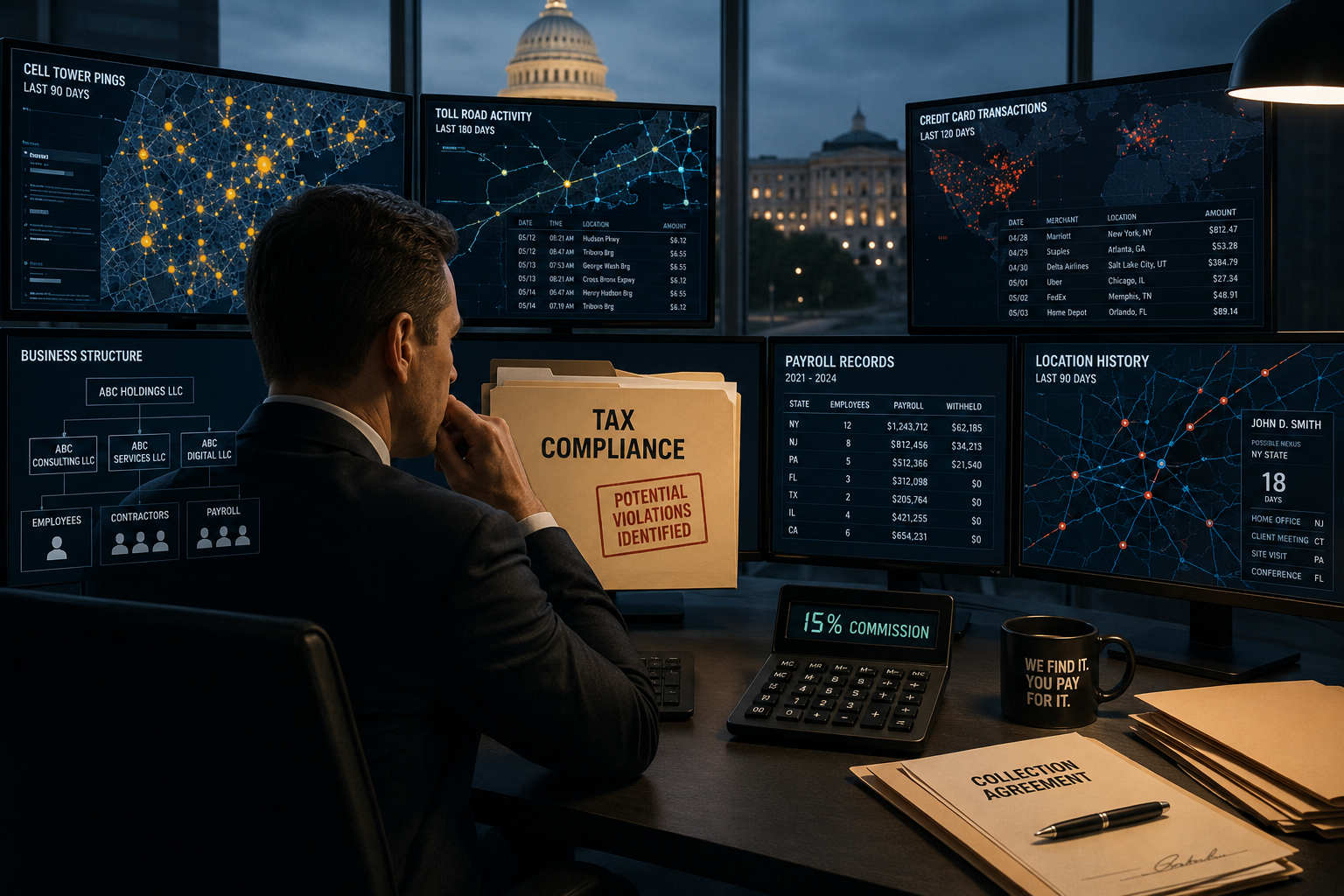
Private tax collectors paid 12-20% of recoveries are fanning out across states as budget gaps widen, reviving a practice that sparked the French Revolution.
Continue with
A practice that helped provoke the French Revolution is quietly returning in the United States. Private tax collectors, paid a percentage of what they recover, are increasingly being hired by states facing budget shortfalls after the end of federal COVID-era aid programs.
The historical parallel is tax farming – a system in which private contractors paid the French crown a fixed sum upfront and then kept whatever they could extort from citizens. The abuses were so severe that many tax farmers were guillotined after 1789.
Today's version is less violent but structurally similar. States such as New York, California and Illinois have hired private firms to audit remote workers, flag compliance errors and collect back taxes. The firms earn 12% to 20% of the amount they recover, according to state budget documents and tax policy analysts. That creates a direct financial incentive to find violations, even marginal ones.
The target pool is enormous. State tax codes were written for a world where employees worked in one location. Remote work has made compliance nearly impossible for multi-state employers. New York, for example, taxes nonresident employees who work from home if the arrangement is for the employee's convenience rather than the employer's necessity. There is no clear definition of convenience versus necessity, leaving room for aggressive interpretation.