States now collect 88% of mining revenue, up from 65% in 2014-15, even as a new law restricts their power to levy additional taxes on mineral rights.
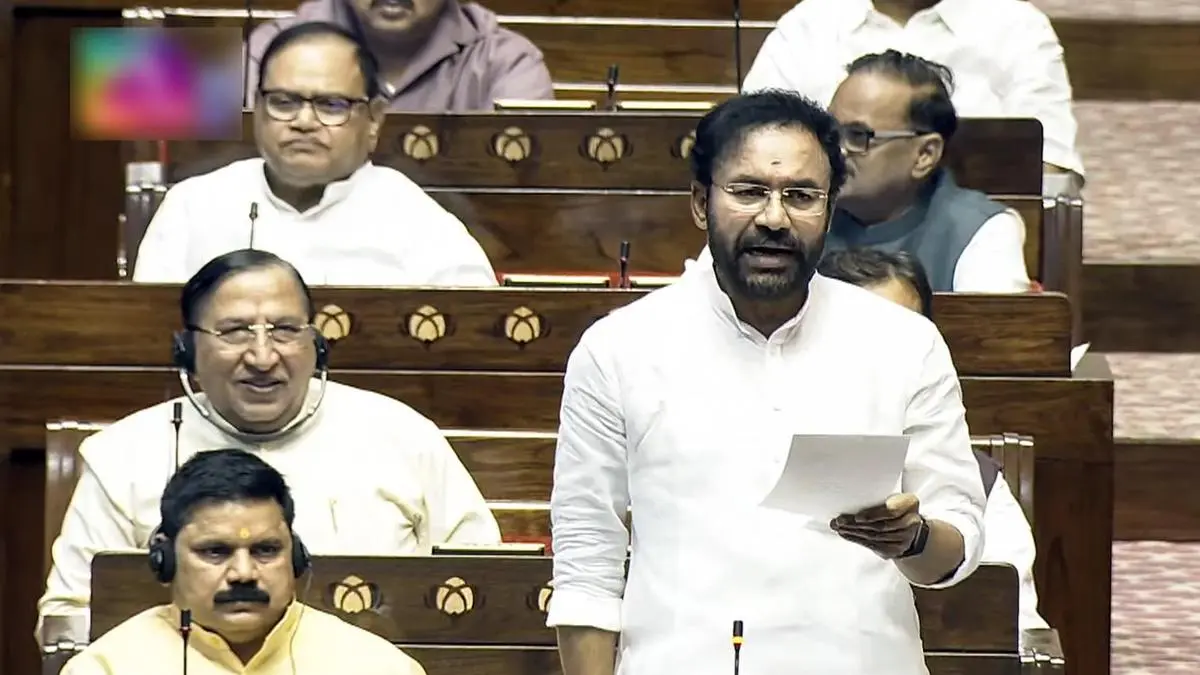
States' share of mining revenue has climbed to 88% from 65% a decade ago, even as Parliament passed a bill curbing their ability to levy additional taxes on mineral rights, Union Minister G. Kishan Reddy said Thursday.
The Mines and Minerals (Development and Regulation) Amendment Bill, 2026, cleared the Rajya Sabha on Thursday after passing the Lok Sabha a day earlier. It now awaits the President's assent. The legislation restricts states' power to impose taxes on mineral rights and mineral-bearing lands, a move that had drawn criticism from some state governments.
Reddy, the coal and mines minister, told reporters the new law would not cost states a single rupee. "There won't be even a single rupee's loss of income or revenue," he said. "Rates will continue to rise based on production -- as production increases, revenue increases accordingly."
The data backs that claim. According to ministry figures, states collected Rs 71,035 crore from mining in 2024-25, up from Rs 13,258 crore in 2014-15. The central government's share over the same period rose only marginally, from Rs 7,102 crore to Rs 8,932 crore. That pushed the Centre's slice down to 12% from 35%.
The coal sector tells a similar story. States took 96% of coal revenue in 2024-25, or Rs 58,592 crore, versus 55% a decade earlier. The Centre's coal revenue share shrank to 4% from 45%.
Reddy said the legislation would ensure uniform mineral rates across the country. "The central government will not take any revenue even today, nor is there any plan to take it as of now," he added.
When rates or cesses are revised in the future, the minister explained, they will increase uniformly across all states. That uniformity is the core of the new law, but the revenue numbers suggest states have little to fear in the near term.
Drafted by a large language model from the source reporting linked above, then screened by automated publishing checks. It is not read by a journalist before publication. Some articles cite our Alpha Score. Verify prices and figures against the original source. Educational coverage, not personalized advice.