Jes Staley and the Epstein Hearing
A former Barclays CEO is about to face Capitol Hill over his ties to Jeffrey Epstein. Jes Staley, who ran Barclays from 2015 to 2021, is scheduled to testify in a hearing centered on Epstein's network and the banks that enabled it. The date of the hearing is set for July 23, according to the latest Epstein probe filings. Staley's appearance follows years of regulatory scrutiny over his communications with Epstein while at JPMorgan and later Barclays.
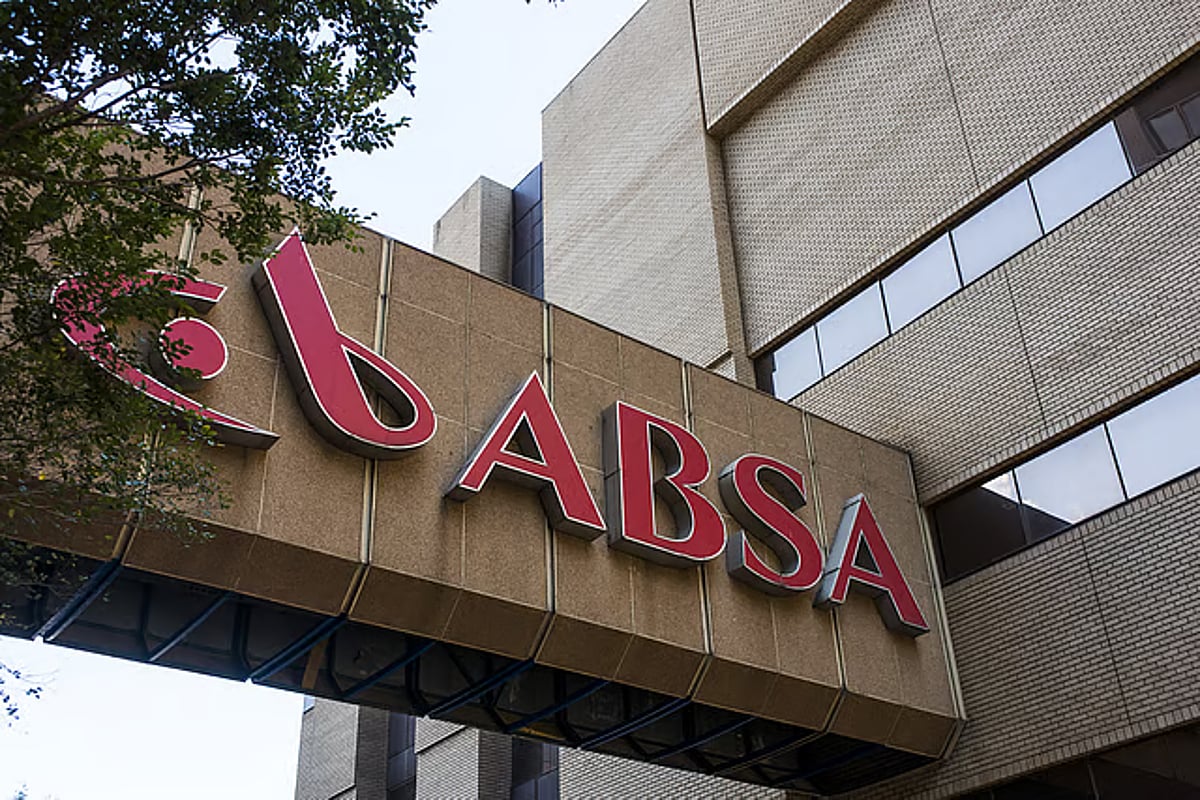
The catalyst is straightforward: a senior banking figure with direct Epstein exposure is being compelled to answer under oath. Staley is the same executive who oversaw Barclays' reduction of its stake in Barclays Africa Group, later renamed Absa Group, effectively selling control of the South African bank back to local investors. That transaction, while not directly tied to Epstein, made Staley a known quantity in emerging-market banking circles. Now his name is linked to the broader reckoning Wall Street faces over its historical dealings with Epstein.
Sector Readthrough: Large Banks Under Renewed Scrutiny
The readthrough is to every large US and UK bank that had a business relationship with Epstein after his 2008 conviction. JPMorgan Chase (JPM) and Barclays (BCS) are the two primary peers named in the probe. JPMorgan faced its own lawsuits and settlements over Epstein-related accounts, and Staley's testimony could reopen questions about what senior management knew and when. Deutsche Bank (DB), which also had Epstein as a client, faces indirect exposure through the regulatory narrative.
The market implication is not a binary win or lose. The naive view is that a single hearing either clears or damns JPMorgan and Barclays. The better market read focuses on litigation risk and regulatory costs. Another round of disclosures could force JPMorgan to increase its legal reserves or prompt the US Department of Justice to reopen inquiries. For Barclays, the overhang is its UK regulatory standing – the Financial Conduct Authority is already monitoring Epstein-related cases.
Confirmed facts: the hearing is scheduled. The inference is that any new information implicating bank compliance failures will hit the stocks of JPMorgan, Barclays, and potentially Bank of America (BAC) if the probe widens. The price reaction will depend on whether Staley's testimony contains surprises or merely repeats what is already in public filings.
The July 23 Interview as the Next Catalyst
The July 23 interview is the single concrete date on the calendar. Lawyers for Staley and the banks will have depositions and document reviews leading up to it. Any pre-hearing leaks about documents or whistleblower statements could move the stocks before the testimony itself.
For traders building a watchlist, the key question is whether the hearing produces a settlement framework or a subpoena expansion. A settlement with JPMorgan or Barclays would cap the downside and remove the regulatory overhang. A subpoena expansion that pulls in other banks – for example, Citigroup (C) or Wells Fargo (WFC) – would expand the selloff to the entire large-bank sector.
AlphaScala's stance: treat this as a single-stock catalyst for JPMorgan and Barclays, not a sector-wide risk, until the hearing produces evidence of systemic failures. The July 23 date is the line in the sand. Until then, the Epstein Probe: Staley July 23 Interview Nears for JPM, BCS remains the primary reference for traders.