Crypto▲ Bullish
Stablecoin Rewards Fight Stalls Clarity Act as Senate Returns
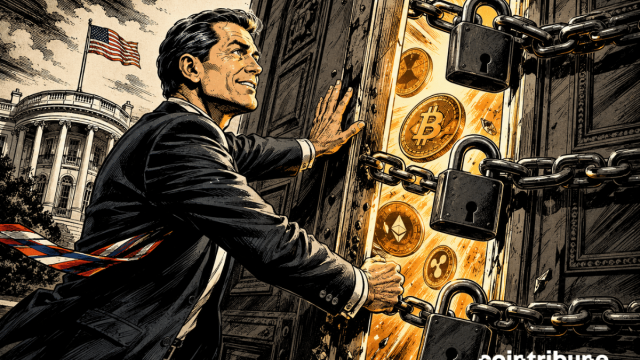
Stablecoin reward programs resurface as a sticking point for the Clarity Act. Senate returns Sept. 15 with a cloture vote scheduled, but banks and crypto industry remain at odds.
Continue with
The Clarity Act heads back to the Senate in September with the same problem that stalled it in the spring. Republican Majority Leader John Thune has set a Sept. 15 cloture vote on the 600-page bill, which would clarify the SEC and CFTC's jurisdiction over crypto markets. The House passed its version in July 2025. The Senate version has been stuck since.
Patrick Witt, the White House crypto advisor, told reporters Tuesday he is "optimistic and confident" the bill can pass this fall. He said Republicans plan to use the coming weeks to negotiate with Democrats on the remaining disagreements. The calendar is tight. The Senate sits for a few weeks in September before another recess in October.
A familiar issue has resurfaced: the rewards paid on stablecoins. Banks have opposed crypto platforms offering yields simply for holding a stablecoin in a user account. They see those programs as direct competition with bank deposits. The crypto industry defends them as a core feature.
Senators Angela Alsobrooks and Thom Tillis brokered a compromise earlier this year that would have banned rewards granted solely for holding the stablecoin, while allowing payments and certain transactions to still earn rewards. That compromise appeared to calm both sides. Tim Scott, Republican chairman of the Senate Banking Committee, acknowledged Tuesday that the stablecoin problem had re-emerged. Scott said discussions will need to reopen. The debate already caused multiple delays for the Clarity Act in the spring.