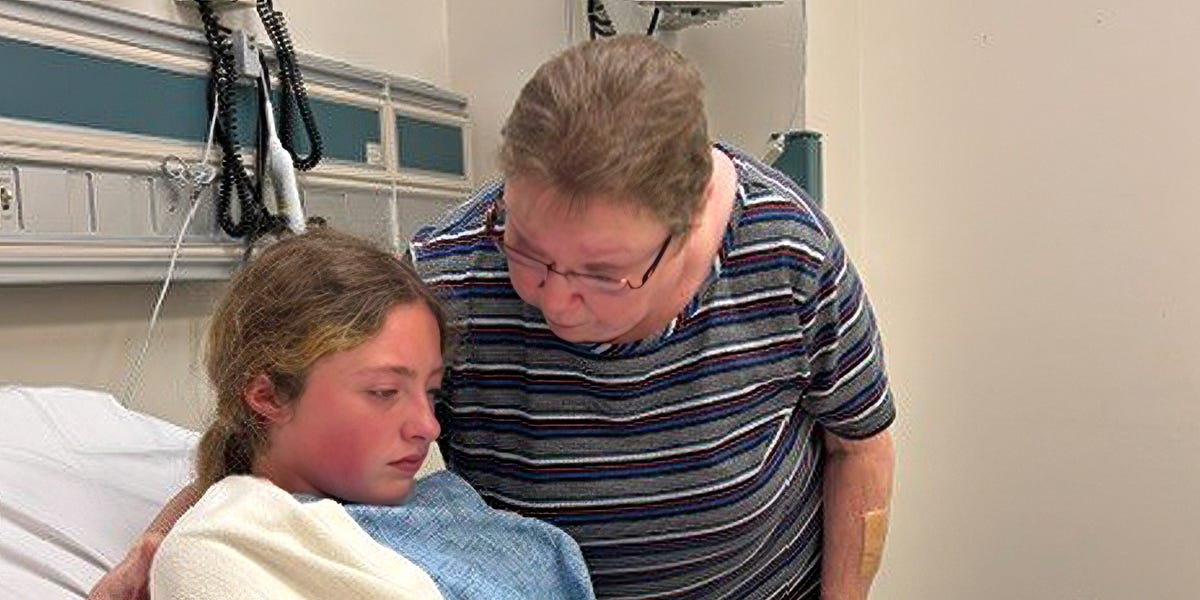
A squishy toy exploded in a hot car, burning a 12-year-old girl's legs and sending her to an emergency room. The incident, reported by Kimmie Staggs of Dunbarton, West Virginia, has drawn attention to the risks of popular silicone-based toys left in vehicles.
Staggs said her daughter Natalee was sitting in the front passenger seat June 23 when the squishy, shaped like a mushroom, burst open. Gel-like liquid spread across her thighs. The family stopped at a relative's garage, hosed off the material, but it continued to solidify. They drove 20 minutes to the nearest ER in South Williamson, Kentucky.
Poison Control told the hospital staff the toy was not toxic because it contained no plastic beads. The liquid inside was silicone. The toy, Poison Control said, must have heated up in the car and burst. They added it was the fifth or sixth such incident they had handled in a week.
Medical staff spent over an hour removing the substance with saline. Natalee was discharged with minor burns, Staggs said. She posted on Facebook to warn other parents. Several people responded that they had experienced similar incidents.
For the toy sector, the story points to a potential liability risk. Squishy toys, often made of silicone or polyurethane foam, are widely sold by brands ranging from small manufacturers to major retailers. When exposed to temperatures above 80 degrees Fahrenheit, the heat can cause the material to expand and burst. The liquid inside can cause burns even if not toxic.
Toy companies face two risks: product liability claims and regulatory scrutiny. The Consumer Product Safety Commission could issue warnings or require recalls if the pattern of incidents grows. At least one major retailer already sells a branded version of the toy, but no company has been named in the Staggs incident.
A recall or safety warning would hit manufacturers of the toy and potentially the broader toy sector. Mattel and Hasbro, the two largest U.S. toy companies, have faced similar product-safety cases in the past. Neither has commented on the squishy issue.
Lawyers specializing in product liability said the incident could lead to lawsuits if the burn injuries escalate. "A single case like this, if it leads to a class action, could cost a company millions," one attorney said, speaking on condition of anonymity because the case is not public.
For now, the immediate concern is consumer awareness. Staggs said she hopes other parents will not leave squishy toys in cars. Poison Control's advice: keep them out of direct sunlight and heat.
The toy sector will watch for any regulatory action from the CPSC or broader consumer complaints. No recall has been issued. No publicly traded company has reported an uptick in claims. But the story has already spread on social media, and ads for squishy toys are drawing comments from concerned parents.
A single incident does not change a sector's outlook. But a pattern of similar reports could push the CPSC to act. That would create a headwind for the toy industry, which relies on low-cost, high-volume products like squishy toys for margin.