Stocks● Neutral
Spirit Airlines Ceases Operations After Rescue Talks Fail
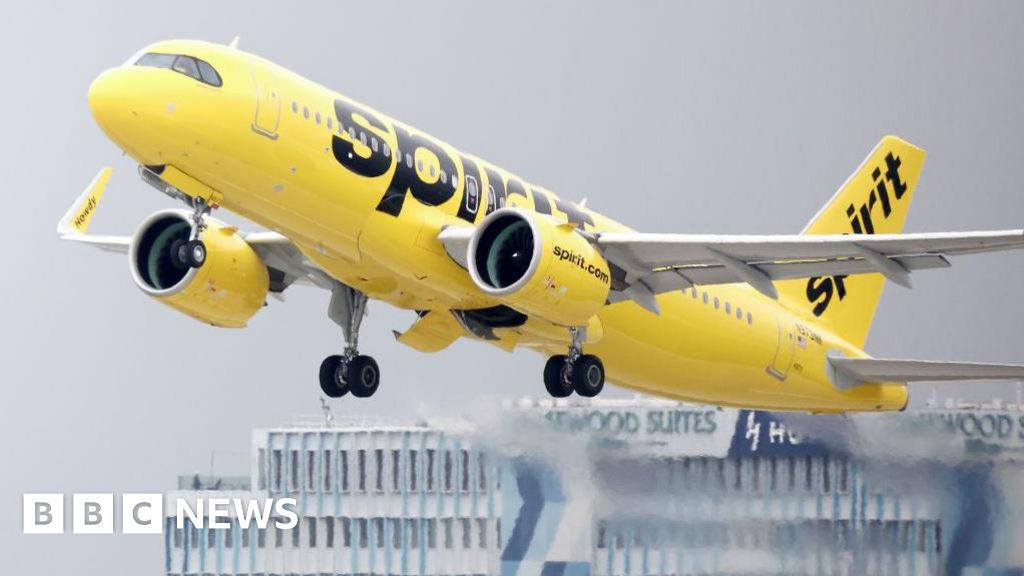
Spirit Airlines has ceased operations after a $500 million bailout deal failed. The collapse marks the end of a 34-year history for the low-cost carrier.
Continue with
Spirit Airlines has officially ceased operations following the collapse of critical bailout negotiations with the federal government. The carrier, which had been seeking a $500 million lifeline to stabilize its balance sheet, failed to secure the necessary support to continue functioning as a going concern.
The Collapse of Federal Bailout Negotiations
The proposed rescue package would have fundamentally altered the company's capital structure. Under the terms discussed with the administration, the federal government would have acquired an equity stake representing up to 90% of the airline. This massive dilution of existing shareholders faced significant resistance from institutional investors and market participants who viewed the terms as untenable for private capital.
With the failure of these talks, the airline has reached the end of its 34-year history. The inability to bridge the gap between the company's liquidity needs and the conditions required for federal intervention left the board with no viable path forward. This development marks a significant shift in the domestic aviation landscape, as the industry grapples with the fallout of a major carrier exiting the market.