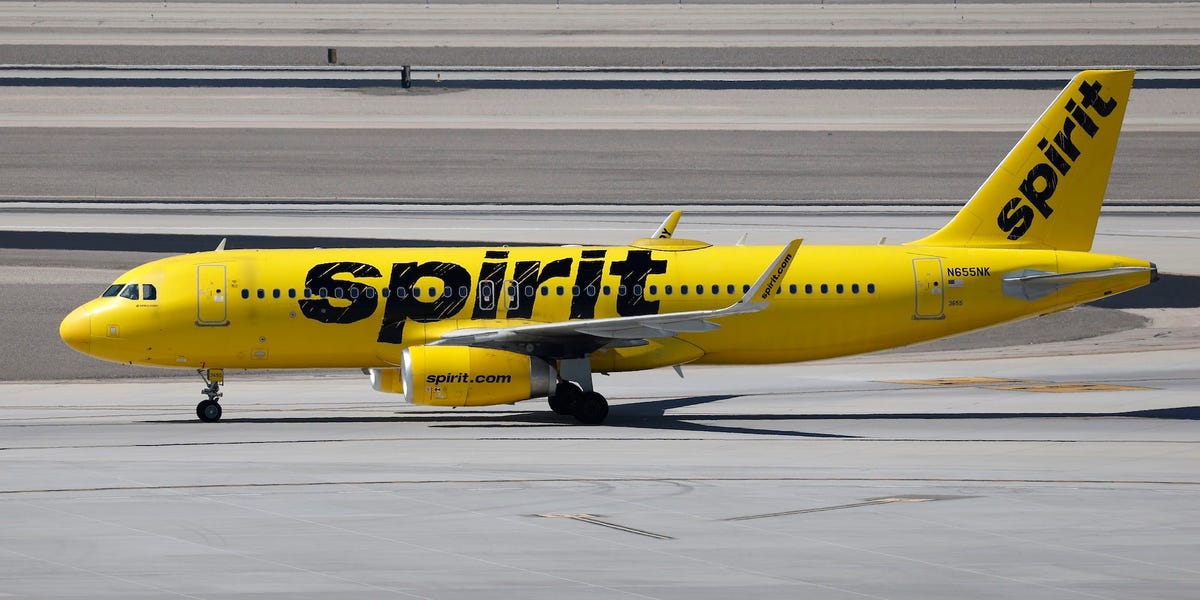
Spirit Airlines has ceased operations after 50 years, triggering a major capacity shift. Competitors now face a vacuum in the ultra-low-cost travel market.
Spirit Airlines has officially ceased all operations, marking the end of a nearly 50-year tenure in the aviation industry. The decision follows a prolonged period of financial instability, characterized by two separate bankruptcy filings and the inability to secure a federal bailout to sustain its business model. The immediate shutdown leaves a significant gap in the ultra-low-cost carrier segment of the domestic market.
The sudden cessation of flights forces a rapid redistribution of capacity across the domestic aviation sector. Spirit operated a specific model focused on high-density, low-fare routes that often served as the primary competition for legacy carriers in price-sensitive markets. With the airline now offline, competitors will likely see a short-term increase in pricing power on routes previously dominated by Spirit. The removal of this capacity creates an immediate vacuum that other budget-conscious airlines must decide whether to fill through fleet expansion or route adjustment.
Spirit struggled to maintain profitability as operational costs rose and the ultra-low-cost model faced increasing pressure from broader economic shifts. The failure to secure a federal bailout served as the final catalyst for the shutdown, removing the possibility of a structured restructuring. Investors and creditors are now shifting focus toward the liquidation process. The company's assets, including its fleet and gate leases, will likely become the subject of intense interest from larger carriers looking to expand their footprint without the lead time required for new aircraft deliveries.
Market participants are currently evaluating the broader consumer discretionary sector for signs of similar stress. While Spirit represents a specific failure within the airline industry, the underlying pressure on consumer spending remains a focal point for analysts monitoring firms like LOW stock page. The stock market analysis suggests that the collapse of a major low-cost provider often precedes a period of consolidation among surviving regional and national players.
Our current data reflects a cautious environment for consumer-facing stocks. For instance, COST stock page currently holds an Alpha Score of 57/100, reflecting a moderate outlook as the retail sector navigates shifting demand. Meanwhile, ON stock page maintains an Alpha Score of 46/100, indicating a mixed sentiment as supply chain and demand variables continue to fluctuate across the technology sector.
The next concrete marker for the industry will be the disclosure of asset auction schedules and the specific reallocation of airport gate slots. These filings will provide the first clear indication of which carriers intend to capture the market share vacated by Spirit. Observers should monitor upcoming Department of Transportation filings for details on how these essential routes are reassigned to ensure continued service connectivity.
AI-drafted from named sources and checked against AlphaScala publishing rules before release. Direct quotes must match source text, low-information tables are removed, and thinner or higher-risk stories can be held for manual review.