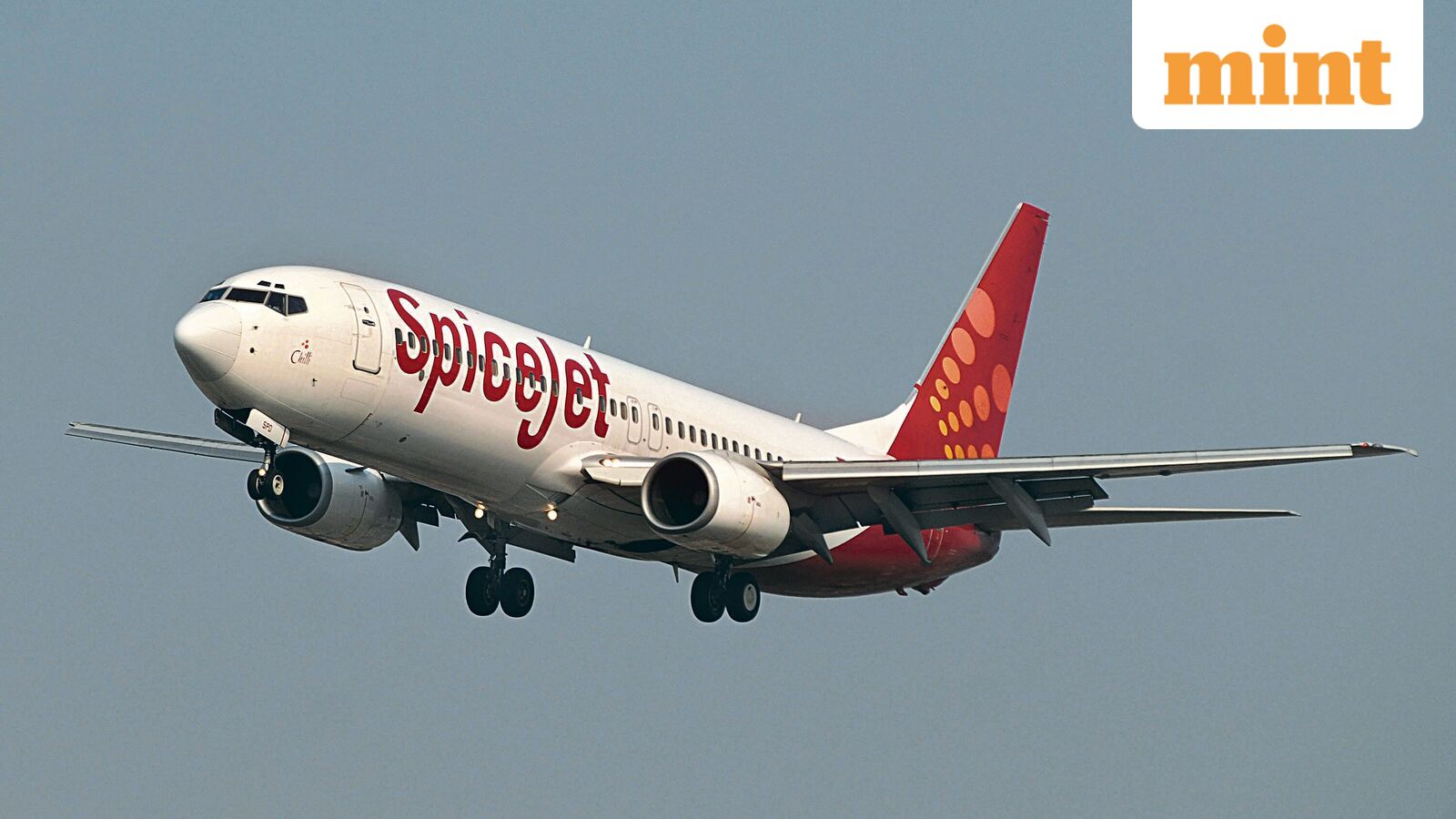
SpiceJet Ltd faces a critical regulatory bottleneck as its operational fleet count nears the minimum threshold required to maintain international flight permissions. According to recent data, the airline's active fleet has dwindled from 33 aircraft at the end of December to approximately 21 in early May. This contraction, driven by lease returns and prolonged maintenance groundings, places the carrier in a precarious position under Indian aviation regulations, which mandate a minimum of 20 aircraft for international operations.
The Regulatory Threshold and Operational Reality
Under current Directorate General of Civil Aviation (DGCA) rules, an airline must maintain at least 20 aircraft or deploy 20% of its capacity on domestic routes to sustain international flying rights. While the company maintains that it has 54 aircraft on its Air Operator Permit (AOP), the distinction between total permit capacity and actual operational fleet is the primary point of friction. Industry executives report that the current active fleet consists of 18 Boeing aircraft and three turbo-props, with 39 additional units remaining grounded.
Legal experts suggest that while the DGCA may consider total fleet size during periods of unforeseen operational stress, the legal defense for continuing international routes with fewer than 20 active aircraft is increasingly difficult to maintain. Past precedents, such as a temporary relaxation granted in September 2025 when the fleet dipped to 19, provide a potential roadmap for the airline, but reliance on such dispensations introduces significant execution risk for the carrier’s international network.
Financial Constraints and Capacity Scaling
The airline’s ability to reverse this trend is hampered by a persistent cash crunch and ongoing disputes with lessors and vendors. For the nine months ending December 2025, SpiceJet reported a loss of ₹1,138 crore on revenue of ₹3,541 crore. These financial pressures have directly impacted the company's ability to clear maintenance backlogs and secure spare parts, which are the primary drivers behind the 39 grounded aircraft.
Management has signaled that it is pursuing a new round of fundraising and expects support under the Extended Credit-Linked Guarantee Scheme (ECLGS) to facilitate the return of grounded assets. However, the company’s previous target to reach a 60-aircraft fleet by December 2026 appears increasingly ambitious given the current trajectory of weekly departures, which have fallen from 1,568 in the winter season to a range of 700–900 in recent months.
Market Positioning and Competitive Read-Through
SpiceJet’s domestic market share has slipped to 3.9% as of March, leaving it trailing significantly behind industry leaders like IndiGo, which operates over 440 aircraft, and the Air India Group. The airline’s reliance on wet and damp leases—where the lessor provides crew and maintenance—adds a layer of operational complexity and cost volatility. These arrangements are often short-term, and the recent return of multiple leased aircraft has further eroded available capacity.
For investors, the primary risk is not just the potential for regulatory suspension of international routes, but the broader impact on revenue generation. International operations are a key component of the airline’s business model, and any restriction or withdrawal of these permissions would force a further consolidation of the business. The company’s ability to stabilize its fleet will be confirmed only by a sustained increase in active aircraft count above the 25-unit level, coupled with a successful capital injection that resolves outstanding vendor disputes. Conversely, a failure to secure the expected sovereign guarantee or further lease returns would likely accelerate the degradation of the airline's operational footprint, making the current international flight schedule unsustainable.