Spain Shifts Energy Strategy
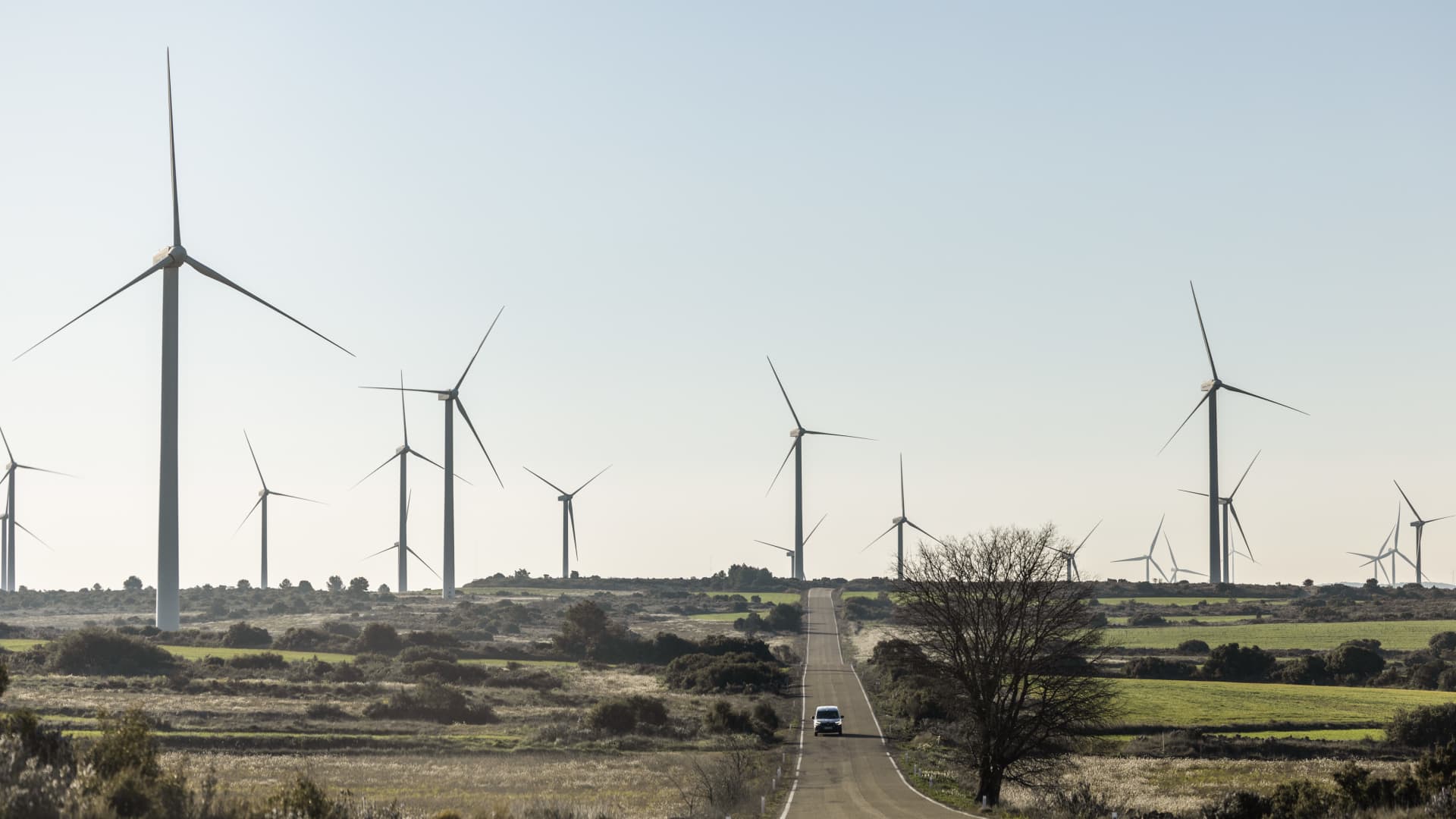
Spain has accelerated its transition toward renewable energy, specifically targeting solar and wind capacity to insulate its domestic grid from the risks associated with the ongoing conflict in Iran. Government data shows a marked increase in capital expenditure directed at clean energy infrastructure as the nation seeks to reduce its reliance on volatile fossil fuel imports from the Middle East.
The strategic pivot toward renewables serves as a defensive measure against external supply chain disruptions. By localizing power generation, Madrid intends to buffer its industrial base against the energy price spikes that historically accompany regional instability in oil-producing corridors. This push for energy resilience is now a centerpiece of Spain's broader economic security mandate.
Trade Policy and Geopolitical Pressures
Beyond energy, Spanish policymakers are recalibrating trade expectations as shifting political dynamics in the United States introduce uncertainty into transatlantic commerce. Local officials remain concerned that potential tariff shifts or protectionist policies from a second Trump administration could complicate existing trade agreements and export competitiveness.
Spain currently faces a dual-track challenge: securing stable energy inputs while maintaining open market access to its largest partners. Traders are monitoring how these fiscal and energy policies will affect the country's sovereign bond yields and industrial output relative to the broader Eurozone. The focus remains on whether domestic renewable investment can offset the potential costs of increased trade friction or higher import duties.
| Sector | Strategic Goal | Primary Driver |
|---|
| Solar Energy | Grid Independence | Middle East Volatility |
| Wind Power | Capacity Expansion | Carbon Neutrality Targets |
| Trade Exports | Market Diversification | U.S. Policy Uncertainty |
Market Implications for Traders
Investors looking at stock market analysis for European utilities should watch for sustained capital inflows into Spanish renewable developers. As the country moves toward a more localized energy model, firms specializing in grid infrastructure and battery storage are likely to see increased domestic contract awards. This transition creates a localized hedge for European portfolios against energy-linked inflation spikes.
- Monitor Eurozone Yields: Higher energy independence may eventually lower the risk premium on Spanish debt, though short-term fiscal pressure remains a factor.
- Currency Sensitivity: Any escalation in trade tensions between the U.S. and the EU will likely weigh on the EUR/USD pair, particularly if Spanish industrial exports face new tariffs.
- Sector Rotation: Expect potential rotation out of energy-intensive manufacturing stocks toward those that benefit from government-subsidized renewable energy implementation.
What to Watch
Traders should track upcoming legislative announcements regarding energy subsidies and any specific tariff negotiations between Brussels and Washington. The correlation between Brent crude prices and Spanish industrial sentiment will remain high in the near term. Keep a close eye on the performance of major European indices like the SPX or local Spanish benchmarks for signs of divergence as the energy transition progresses.
Spain's success in this transition will ultimately be measured by its ability to maintain competitive power pricing despite the rising costs of infrastructure deployment.