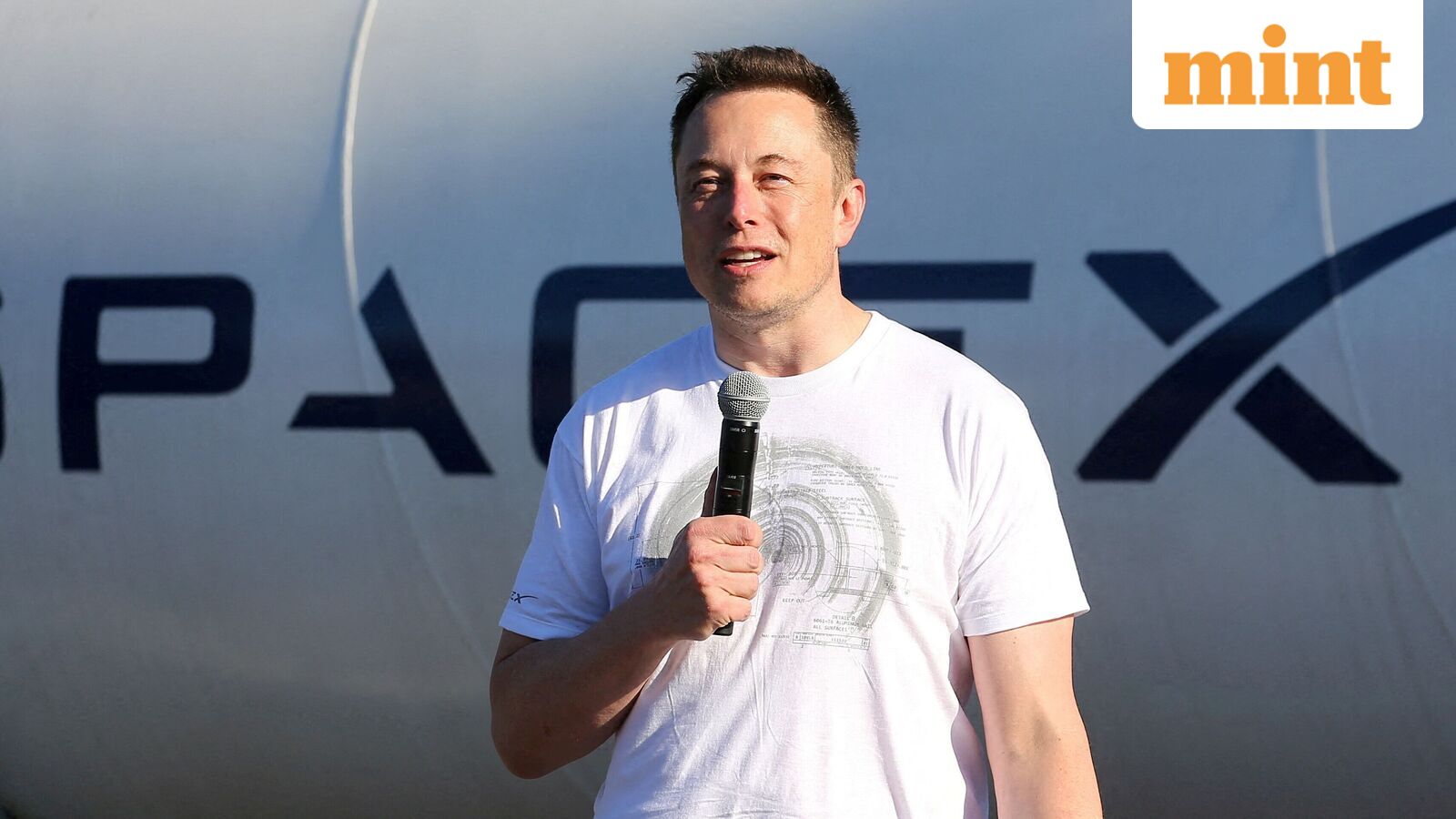
SpaceX is preparing for an IPO that could value the company above $1.25 trillion. The offering comes with a governance structure that hands founder Elon Musk near-total control. A report by The New York Times details a series of unconventional arrangements that governance experts say are unprecedented for a major public company.
Musk already dominates SpaceX’s shareholder structure through special Class B “super voting” shares. He owns more than 5.5 billion Class B shares, each carrying 10 votes compared to one vote for outside investors’ Class A shares. The result: Musk controls approximately 85% of all shareholder voting power. For context, Mark Zuckerberg controls about 61% of voting power at Meta Platforms (META).
Super Voting Shares and the 85% Control Mechanism
SpaceX’s prospectus, cited by the NYT, openly acknowledges Musk’s dominance. The filing states that “Mr. Musk will have the power to control the outcome of matters requiring shareholder approval, including election of all our directors, and to control our business and affairs.”
Comparison with Other Tech Founders
SpaceX’s structure gives Musk more voting power than any other major tech founder. The gap is not small. Musk controls nearly 25 percentage points more voting power than Zuckerberg at Meta.
The January Compensation Package: Voting Rights Without Performance Targets
In January, SpaceX awarded Musk 1.3 billion restricted shares under a compensation plan tied to ambitious milestones: establishing a Mars colony with one million inhabitants and deploying powerful data centers into space. Musk has not achieved those goals. Yet the company allows him to vote those shares immediately on shareholder matters.
Most companies grant voting rights only after performance targets are met. At Tesla, another Musk-led company, a similar stock package tied to autonomous taxi deployment requires Musk to achieve the targets before he can vote the shares. SpaceX’s approach is the opposite. The NYT report noted that even Tesla imposes more restrictions on executive compensation voting rights.
What This Means for IPO Investors
Key insight: The restricted shares are already voting shares. That means Musk’s voting power is locked in regardless of whether he delivers on the Mars or space data center milestones. Any IPO investor buying Class A shares will have no meaningful say in director elections, executive pay, or major corporate actions.
Borrowing Against Restricted Shares
SpaceX’s prospectus also disclosed that Musk could borrow against some of the restricted shares with approval from the board he effectively controls. This creates an additional risk: Musk could pledge those shares as collateral, potentially creating margin-call pressure if the stock price falls.
Governance Rules That Break Public-Company Norms
SpaceX’s prospectus, cited by the NYT, discloses several policies that differ sharply from traditional public companies:
- No majority-independent board – SpaceX does not plan to maintain a board with a majority of independent directors.
- No independent compensation committee – Executive pay will not be determined by a committee of independent directors.
- Mandatory arbitration for shareholder disputes – Claims under federal securities law must go through arbitration, not court.
Quinn described the January compensation package as “insane.” The NYT report also noted that no major US company had previously entered an IPO with a mandatory arbitration clause for shareholder lawsuits.
Pension Fund Pushback
Leaders overseeing pension funds in New York and California objected to the arbitration requirement in a letter cited by the NYT. They wrote that “mandatory arbitration eliminates the class-action lawsuit structure essential to remedying widespread harms.” The officials said the provision is unprecedented for a major IPO.
Risk to IPO Pricing and Institutional Demand
The governance risk is not abstract. If institutional investors – especially pension funds and index funds – balk at the lack of shareholder protections, demand for the IPO could be weaker than the private-market valuation suggests. SpaceX’s last private valuation of $1.25 trillion already prices in a premium for its launch and Starlink businesses. A governance discount could compress that multiple.
Governance experts told the NYT that SpaceX’s structure should concern potential IPO investors. Brian Quinn said, “It’s terrible for shareholders.” Ann Lipton expressed alarm: “SpaceX’s corporate governance structure freaks me out.”
Risk to watch: If large asset managers publicly decline to participate, the IPO may need to price below the private valuation. That would set a negative tone for the aftermarket. It could also spill over to other high-growth, founder-controlled companies.
What Would Confirm the Thesis or Weaken It
What would reduce the risk:
- Strong IPO demand from retail and non-institutional buyers, offsetting institutional caution.
- Clear disclosure of governance risks in the prospectus, allowing investors to price the discount themselves.
- A successful Mars milestone or other tangible progress on the compensation targets, which would validate the structure.
What would make it worse:
- Public opposition from major index providers (e.g., MSCI, S&P) that could exclude SpaceX from ESG or governance-focused indices.
- Litigation from early investors or employees challenging the compensation plan’s voting rights.
- A broader market rotation away from high-valuation, low-governance stocks.
For traders, the SpaceX IPO represents a binary event. Either the market accepts the structure and prices it in, or it rejects it and the stock trades at a discount to peers. The IPO is not a typical growth stock offering. It is a bet on Musk’s continued execution with no shareholder recourse if execution falters. Watch for institutional demand signals in the weeks before the expected launch. If pension funds and governance-conscious funds sit out, the risk-reward shifts sharply against the IPO buyer.
For more on how governance affects stock performance, see our stock market analysis and the Meta Platforms profile.