SpaceX Beats Estimates but $18.4B Capex Spooks Investors
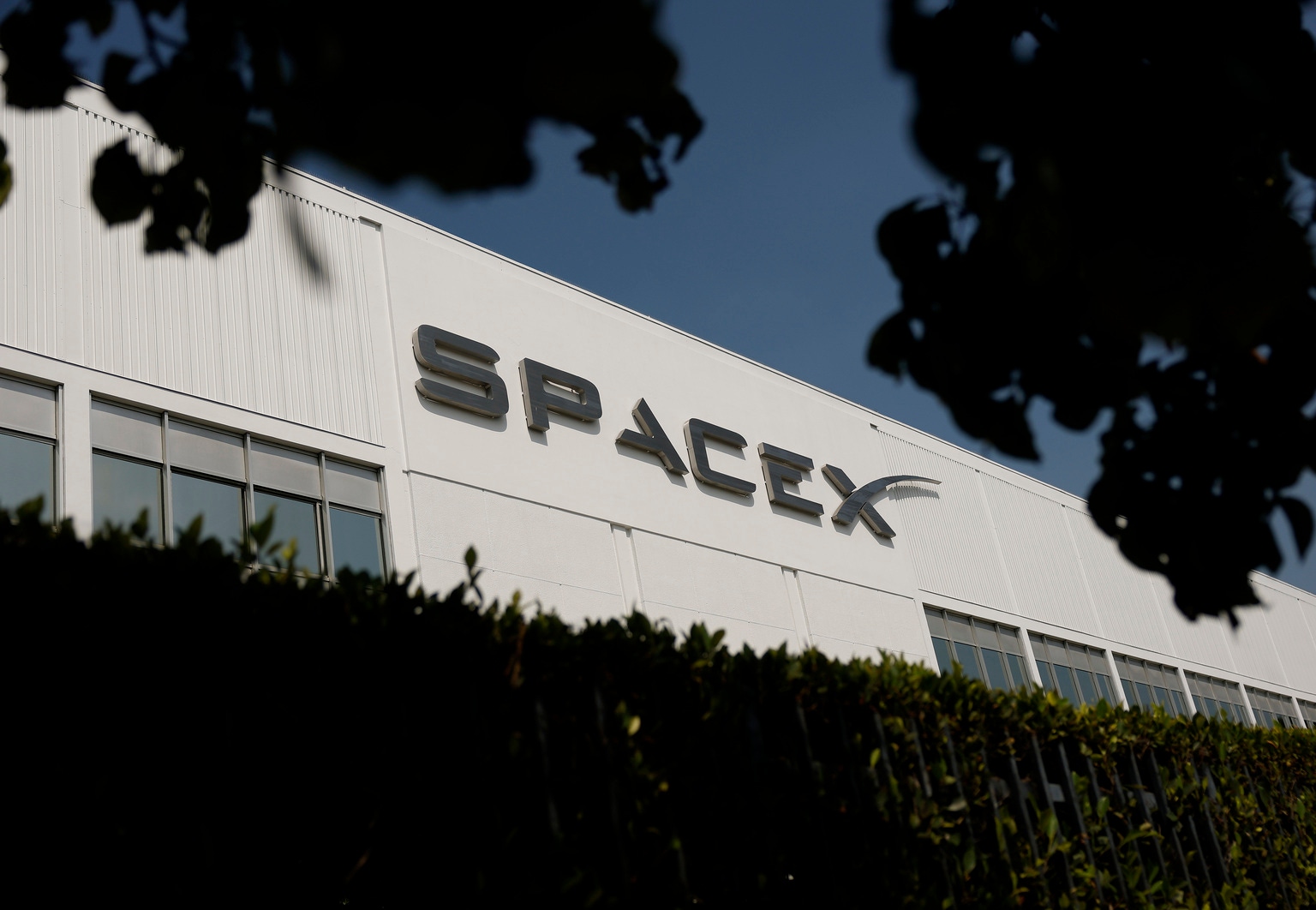
SpaceX's Q2 revenue jumped to $7.81B but capex hit $18.4B, sending shares lower. COO Shotwell outlined a challenge to U.S. wireless carriers. Analysts split on valuation.
SpaceX's inaugural quarterly results topped Wall Street forecasts, but the stock is trading lower as the company's capital spending surged to $18.4 billion in the second quarter. That is up from $10.1 billion in the prior quarter and more than six times the $2.8 billion spent a year ago.
Nearly $15.8 billion of that capex went into SpaceX's AI business, covering computing capacity and infrastructure for new cloud services agreements. The rest funded Starlink satellites and Starship development. Revenue nearly doubled year over year to $7.81 billion, while the net loss per share of $0.09 came in well above the consensus estimate of a $0.29 loss.
The tradeoff is clear: Starlink and the AI platform are growing fast, but SpaceX is pouring capital into what it sees as the foundation of its long-term competitive edge. Investors are weighing that growth against the cash burn.
Mobile Ambitions
SpaceX is planning to challenge U.S. wireless carriers by pairing its satellite communications network with a nationwide terrestrial mobile network. COO Gwynne Shotwell laid out the target on the earnings call. "The big three in the U.S. – AT&T, Verizon and T-Mobile – are roughly a $600 billion a year market," she said. "I anticipate us being able to acquire quite a few of their customers because I think our service will be better."
The company already offers direct-to-cell connectivity through Starlink. Now it wants to add ground-based infrastructure. "We definitely intend to build out the terrestrial component," Shotwell said. "So you will have not only the capability from the satellites themselves, but you will have a build out of the hardware and systems necessary to make a true mobile service."
Analyst Caution
Seeking Alpha analysts pointed to the valuation risk. "Investors were not questioning the growth; they were questioning how much capital SpaceX must spend to produce it," Agar Capital wrote. "At 40x sales and over 100x adjusted EBITDA, SpaceX still requires near-perfect execution."
Kenio Fontes said he remains bearish. "Even if we assume some very good scenarios for SpaceX, it continues to be extremely difficult to justify valuation," he said, adding that the lack of margin of safety is a problem.
Geneva Investor took a more positive view, saying the results reinforce SpaceX's position as a leading player in space-based AI infrastructure. The partnership with Nvidia (Alpha Score 76, Strong) strengthens the long-term vision for orbital data centers, they said.
Broader Market Context
Disney (DIS, Alpha Score 50, Mixed) struck a content-sharing deal with TikTok and reports earnings today. Amazon (AMZN, Alpha Score 68, Moderate) shares fell 2.32% as Jeff Bezos filed to sell more stock. Both moves are part of a busy earnings and news week.
SpaceX's spending spree raises the same question that hits other high-growth tech names: how much capital is needed to sustain the growth, and what happens if execution slips. The company's path to profitability depends on converting its Starlink subscriber base and AI cloud deals into positive free cash flow before the next capital cycle.
Companies reporting today include Disney and Realty Income.
Drafted by a large language model from the source reporting linked above, then screened by automated publishing checks. It is not read by a journalist before publication. Some articles cite our Alpha Score. Verify prices and figures against the original source. Educational coverage, not personalized advice.