Stocks● Neutral
Space Debris Closes Australian Beach After Mysterious Spheres Wash Up
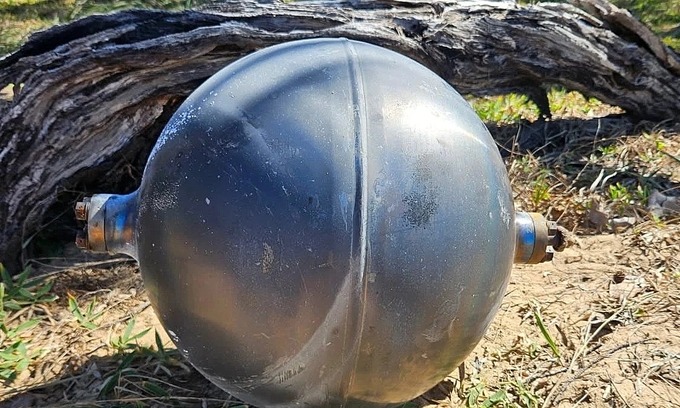
Six metallic spheres forced a beach closure and hazmat response in Queensland before the Australian Space Agency identified them as rocket pressure vessels. The incident underscores the growing problem of space debris and the lack of clear accountability.
Continue with
A cluster of chrome-colored spheres forced the partial closure of Forrest Beach in northern Queensland and triggered a hazmat response after washing ashore on July 3. Queensland Fire Department crews recovered six of the objects by July 5, the Australian Broadcasting Corporation reported. Responders sealed off a 50-meter exclusion zone, donned protective suits, and placed the spheres in hazmat drums under police guard over fears of hazardous chemical residue.
The Australian Space Agency said July 6 that the objects appeared to be pressure vessels from a space launch vehicle. Their location and characteristics matched debris from a foreign rocket body that recently re-entered the atmosphere from orbit. The agency is working with international authorities to confirm the exact launch vehicle and the country that launched it.
Alice Gorman, a space archaeologist at Flinders University, told the ABC the objects are a classic example of what specialists call "space balls." Rockets store propellant under high pressure in vessels built from titanium alloy and similar sturdy materials, she said. Those tanks often survive re-entry because their melting points sit higher than the heat of the descent. Gorman also told The Guardian the spheres showed no scorching, which pointed to a first or second stage that fell away while the rest of the rocket carried its payload onward. Empty pressure vessels are buoyant and drift ashore, though they can still hold traces of hydrazine, a highly toxic propellant dangerous on direct contact.