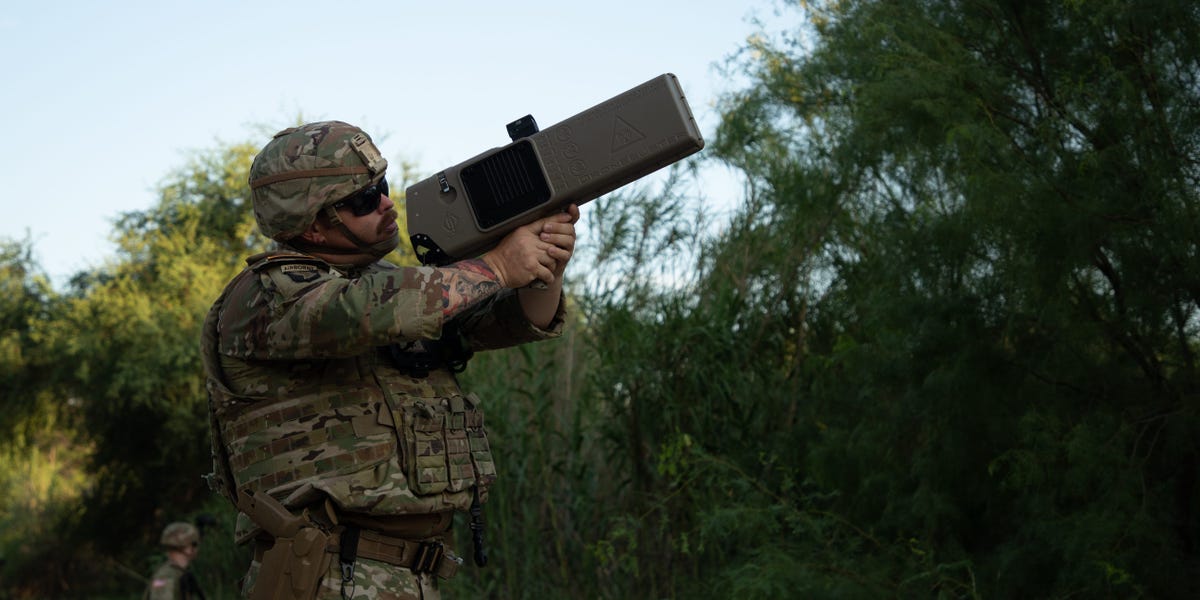
A senior US military commander described the southern border as a sandbox for testing counter-drone technology. Cartel-operated surveillance flights have become routine, creating a persistent threat to troops. The Pentagon is now using this environment to accelerate field tests of detection and mitigation systems. The statement signals a shift in procurement priorities: counter-unmanned aerial systems (C-UAS) are moving from lab exercises into live operational deployment.
Cartel Drones Force Faster C-UAS Procurement
The border environment is unique. Cartel drones fly low, in congested airspace, often at night. They serve surveillance, drug smuggling, and potentially weapon delivery. Military leaders say this gives them a realistic threat that mirrors contested theaters abroad. Calling the border a sandbox implies real-time iteration, not just contract studies.
For investors, the implication is direct. Counter-drone spending historically came from specialized programs at the Joint C-sUAS Office. Operational testing at the border forces the DoD to move prototypes into production sooner. Budget allocations shift from research to procurement. The 2025 defense authorization bill and the upcoming fiscal 2026 budget request will likely show line items for C-UAS hardware: sensors, jammers, and directed-energy systems.
What the Border Tests Mean for Defense Contractors
The simple read is straightforward: cartel drones increase, the military buys more counter-drone gear, and stocks in that space rally. That view is not wrong. Two nuances deserve attention.
First, the bulk of near-term spending flows to system integration rather than stand-alone hardware. The Pentagon already owns many C-UAS systems. The bottleneck is linking them into a single air picture that border patrol and combatant commanders can share. This favors software-heavy integrators and command-and-control vendors.
Second, the border sandbox could accelerate directed-energy programs. Laser weapons have been tested in anti-drone roles for years. The border provides a proving ground against cheap, swarming drones – the same tactical problem that worries planners in Ukraine and the Middle East. If directed-energy tests succeed, budget dollars follow.
Defense contractors with existing C-UAS portfolios stand to benefit. Suppliers of detection radars, electronic jammers, and kinetic interceptors all fit the requirement. The operational environment at the border favors mobile, low-cost systems that integrate with existing surveillance infrastructure. Companies that demonstrate scalable detection and unmanned-to-unmanned kill chains have an edge. Systems integrators and consultative support firms also benefit as the military ties counter-drone data into its broader command network.
Confirming or Weakening the Procurement Thesis
The next decision point comes with the fiscal 2026 budget request expected in February 2025. A specific line item for border-based C-UAS procurement would confirm the thesis. If the DoD treats the tests as one-off exercises without a formal acquisition program, the stock impact will fade.
Watch for contract awards from the Joint Counter-small Unmanned Aircraft Systems Office. Any sole-source award to a named vendor is a positive signal. Also track earnings calls from defense primes: mentions of border drone integration as a new revenue stream carry more weight than generic R&D spending.
The border sandbox is real. Whether it becomes a multiyear procurement program or just a testing footnote depends on how quickly the threat evolves – and how the Pentagon writes its next budget.