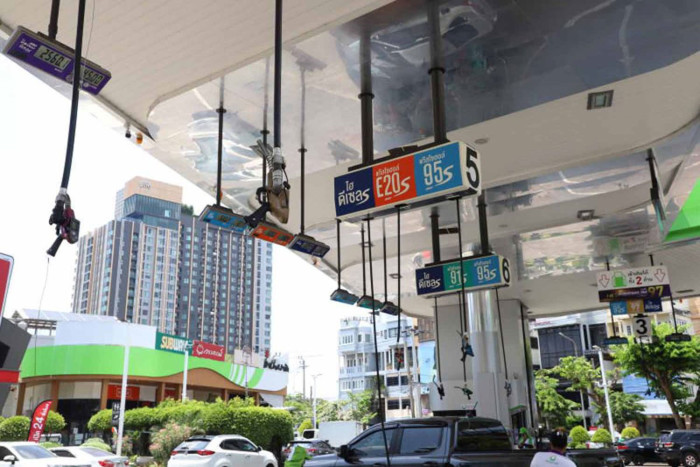
The Thai government is weighing a proposal to mandate nighttime closures for petrol stations, a move that underscores the fragility of domestic fuel distribution networks. This policy shift is intended to manage the flow of refined products during a period of heightened volatility in global energy markets. By restricting operating hours, authorities aim to consolidate demand and stabilize inventory levels at retail sites that have faced mounting pressure from fluctuating supply chains.
Inventory Management and Retail Distribution
The proposed curfew serves as a direct response to the logistical challenges of maintaining consistent fuel availability across the country. When retail outlets remain open around the clock, the frequency of tanker deliveries must remain high to prevent stockouts. By limiting sales to daylight hours, the government intends to reduce the operational burden on fuel wholesalers and logistics providers who are currently struggling to keep pace with demand spikes.
This strategy reflects a broader trend where governments prioritize the preservation of national reserves over consumer convenience. If the plan moves forward, the primary impact will be felt by commercial transport operators who rely on 24-hour access to fuel. The following factors are driving the current policy consideration:
- The need to synchronize fuel delivery schedules with reduced labor availability in the logistics sector.
- A requirement to prevent localized hoarding that occurs when supply uncertainty triggers panic buying.
- The necessity of maintaining strategic reserves at a level that can withstand sudden disruptions in crude oil imports.
Geopolitical Drivers and Market Sensitivity
Energy markets remain sensitive to any sign of supply constraints, as seen in the Crude Risk Premium Spikes Following Strait of Hormuz Vessel Attacks. While the Thai proposal is domestic in nature, it highlights the ripple effects of global price instability on local retail infrastructure. When regional supply chains are stretched, even minor adjustments to operating hours can lead to significant shifts in consumer behavior and fuel consumption patterns.
For investors monitoring the broader industrial landscape, the stability of these supply chains is a critical indicator of economic health. While the focus remains on energy, the ripple effects often extend to the broader healthcare and manufacturing sectors, where operational costs are tied to energy inputs. For instance, companies like Agilent Technologies, Inc. (A stock page) operate within a complex global supply chain where input costs and logistics efficiency are paramount. Agilent currently holds an Alpha Score of 55/100, reflecting a moderate outlook within the healthcare sector.
The next concrete marker for this policy will be the formal announcement from the energy ministry regarding the implementation timeline. Market observers should look for updates on whether these closures will be applied uniformly across all provinces or if exemptions will be granted for major logistics corridors. Any deviation from the proposed plan will likely signal either a stabilization in fuel inventories or an increase in political pressure to maintain standard service levels.