Stocks● Neutral
South Korea elderly population tops 20% for first time
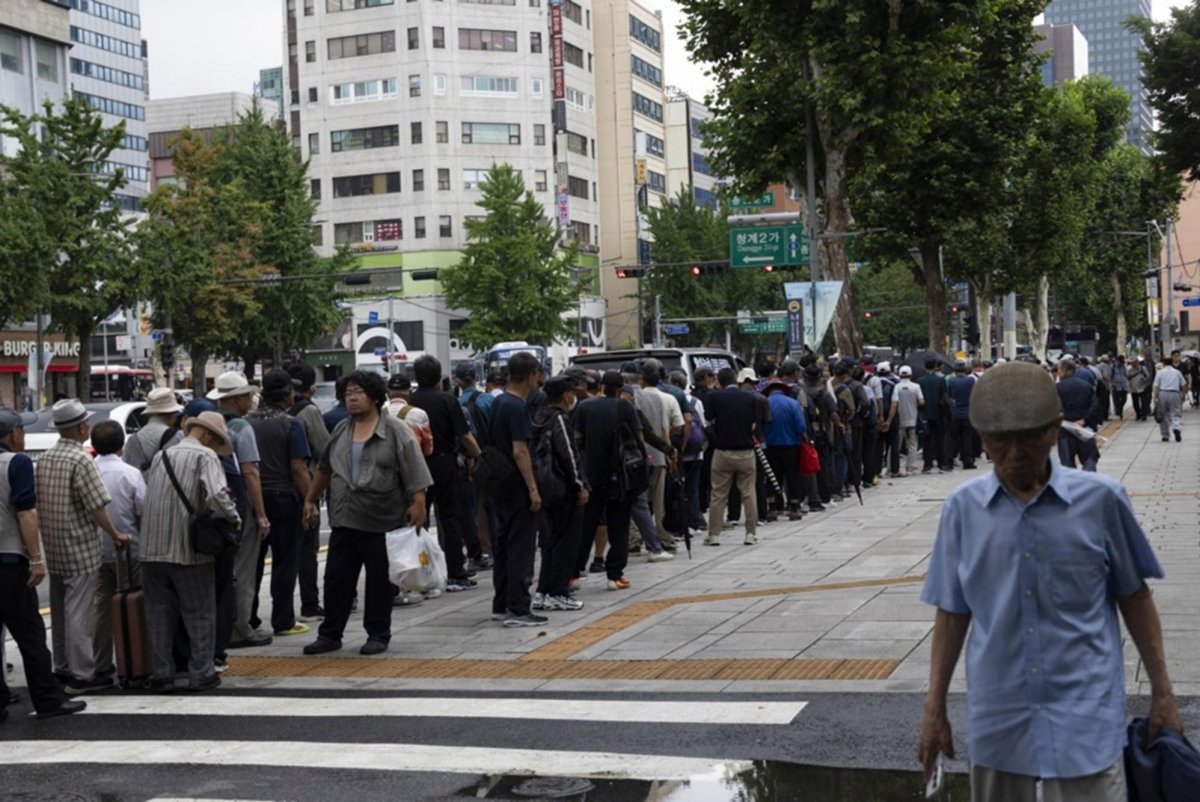
South Korea's elderly population hit 20.7% of the total in 2025, crossing the super-aged society threshold as working-age residents fell below 70%. The shift raises pressure on labor, pensions and healthcare.
Continue with
South Korea's elderly population crossed the 20% threshold for the first time in 2025, while the share of working-age residents slipped below 70%, government data released Tuesday showed. The numbers mark a new stage in the country's demographic shift.
South Korea's total population stood at 51.817 million as of Nov. 1, up just 12,000, or 0.02%, from a year earlier, according to the 2025 Population and Housing Census from the National Data Agency. The number of South Korean nationals declined by 50,000, but a 70,000 increase in the foreign population kept the headline count from falling.
Population growth has been decelerating for years. After shrinking in 2021 and 2022 during the pandemic, the population rose 0.2% in 2023 and 0.1% in 2024. The 2025 growth rate was 0.02%.
The number of South Korean nationals has fallen for five straight years since 2021, driven by persistently low birth rates. The foreign population grew 3.2% to 2.11 million, helped by increases in international students and seasonal workers. Foreign residents now account for 4.1% of the total.
People aged 65 and older increased by 601,000, or 5.9%, to 10.723 million. Older residents made up 20.7% of the population, crossing the 20% mark that defines a super-aged society.