Stocks● Neutral
Sonam Wangchuk's Hunger Strike: When Fasting Becomes Fatal
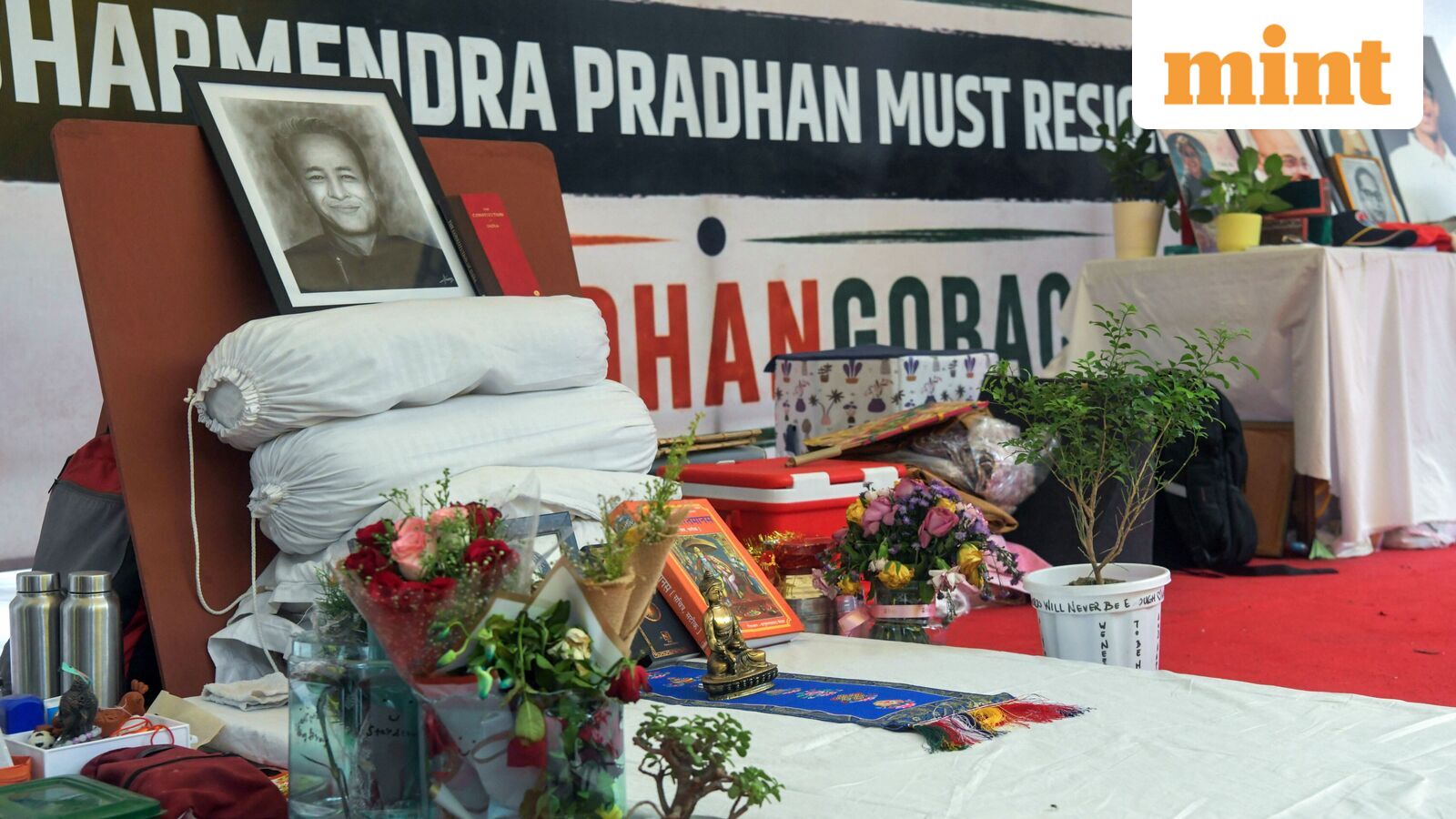
Climate activist Sonam Wangchuk is in hospital after 20 days of fasting, refusing IV fluids. Doctors warn of irreversible organ damage as ketone levels rise. His wife says the fast continues.
Continue with
Climate activist Sonam Wangchuk is in hospital after 20 days of fasting, and doctors say he is refusing intravenous fluids. He was moved from a protest site in Delhi to Safdarjung Hospital early Saturday. The hospital's medical superintendent, Dr. Charu Bamba, told ANI that Wangchuk remains conscious and clinically stable but shows signs of dehydration. He is accepting neither oral rehydration fluid nor IV therapy, despite repeated counselling.
Prolonged fasting carries specific medical risks. Dr. M Wali, a general physician, explained that ketone bodies form naturally during fasting. At low levels – around 0.3 mmol/L – they are not harmful. When ketone levels climb above 3 mmol/L, the body enters a dangerous state. “This becomes very harmful to the body and various organs,” Dr. Wali said in an interview with ANI. He noted that while ketones serve as nutrition for the brain, high levels in the blood, called ketonemia, can lead to metabolic acidosis. In diabetics, the condition is known as ketoacidosis.
Dr. Suranjit Chatterjee, a senior consultant in Internal Medicine at Indraprastha Apollo Hospitals, reviewed Wangchuk's condition. He said the issued report indicates “compensated metabolic acidosis.” That means the body is still fighting the imbalance. “Dehydration leads to increased lactic acid production and acidosis, which can impact kidney function,” Dr. Chatterjee told ANI. He warned that if the condition progresses to a “decompensated” state, complications could include electrolyte imbalances, loss of consciousness, and liver or kidney dysfunction. “If left untreated, the damage could become irreversible and seriously detrimental,” he added.