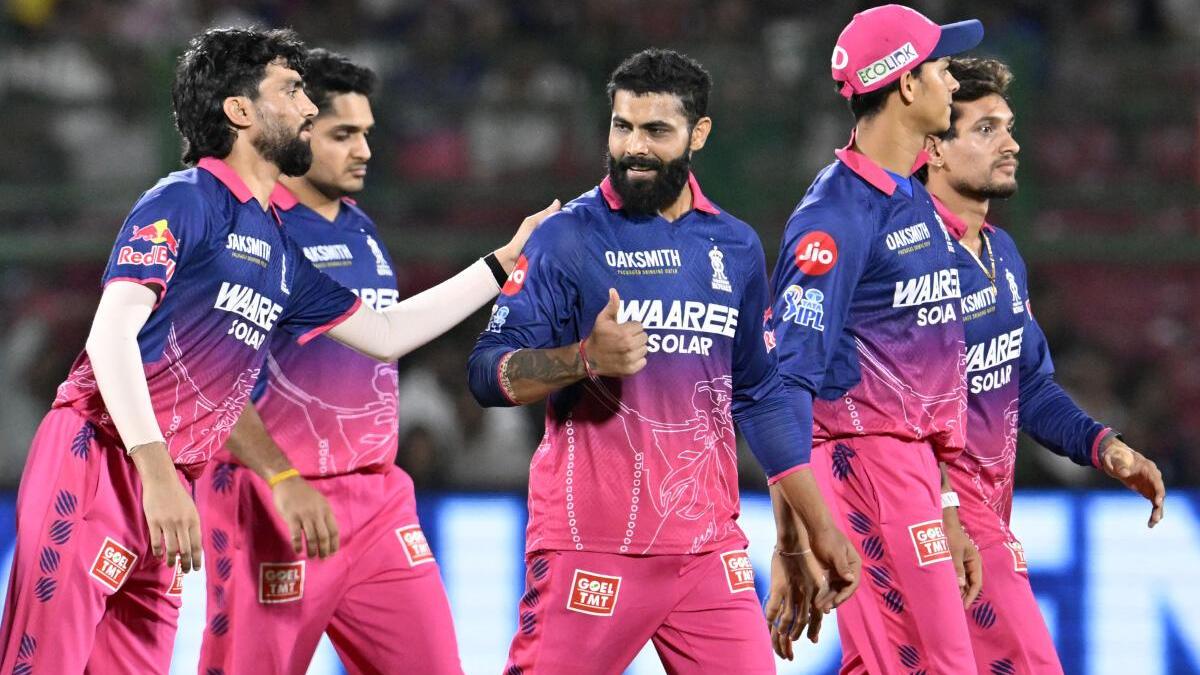
The Somani-led consortium is challenging the Rajasthan Royals sale after being bypassed for the Mittal-Poonawalla partnership, citing a lack of transparency.
The acquisition of the Rajasthan Royals cricket franchise by a partnership involving the Lakshmi N. Mittal family and Adar Poonawalla has triggered a formal dispute regarding the integrity of the bidding process. Two days following the announcement of the deal, a rival consortium led by Kal Somani, alongside investors Rob Walton and Sheila Ford Hamp, issued a public statement questioning the transparency of the transaction. The dispute centers on the claim that the Somani-led group, which reportedly included global sports ownership expertise from the NFL, MLB, EPL, La Liga, and TGL, remained the highest bidder throughout a six-month negotiation period.
The core of the conflict lies in the divergence between the expectations of the Somani consortium and the final decision reached by the Rajasthan Royals board. According to the statement released on Tuesday, the Somani group had executed documentation in place and was under the impression that a board meeting held on Saturday was intended to finalize their bid. The consortium asserts that they were "fully funded" and prepared to close the transaction without withdrawal. The sudden pivot to the Mittal-Poonawalla partnership has led the rejected group to publicly state that they do not believe the outcome reflected a level playing field.
For market observers, this situation highlights the opaque nature of private sports franchise valuations and the risks inherent in multi-stage bidding processes where final selection criteria are not explicitly disclosed to all participants. The Somani consortium’s emphasis on their "long six-month process" suggests that they viewed the engagement as a commitment rather than a mere exploratory bid. When a process of this magnitude concludes with a result that deviates from the perceived highest financial offer, it raises questions about the weight assigned to non-financial covenants, such as strategic partnership alignment or existing stakeholder preferences.
The deal structure confirmed on Sunday reveals that the Mittal family and Adar Poonawalla will acquire a controlling stake in the franchise. Existing investor Manoj Badale is set to retain a 7 per cent stake in the entity. The inclusion of Badale suggests that the board prioritized continuity and existing relationships over the potential premium offered by the Somani group. In private equity and sports franchise acquisitions, the "approved" status of existing investors often acts as a defensive moat, allowing them to influence the selection of new partners to ensure operational stability or to maintain specific management structures.
This dynamic is common in stock market analysis where private assets are transitioned into new ownership. The Somani consortium’s frustration stems from the belief that their "distinguished group of investors" and their track record in global sports would have provided a superior platform for the Indian Premier League (IPL) to reach international heights. However, the board’s decision to favor the Mittal-Poonawalla partnership indicates that the franchise owners valued domestic synergy or specific capital structures over the global sports-management pedigree offered by the Walton-Hamp-Somani coalition.
The public nature of this dispute is rare in the high-stakes world of IPL franchise sales. By questioning the "honesty, integrity, and professionalism" of the process, the Somani consortium is effectively signaling to future sellers that they are willing to challenge outcomes that do not align with their internal valuation models. For the Rajasthan Royals, the immediate risk is reputational, though the deal itself appears to be moving toward closure with the Mittal-Poonawalla group.
Investors looking at similar sports-asset transactions should note that the "highest bidder" is not always the "winning bidder" in private sports auctions. The mechanism of these sales often involves a board-level discretion that can override pure financial metrics. The Somani group’s statement serves as a reminder that in the absence of a transparent, public auction format, the "level playing field" is often subject to the subjective preferences of the incumbent ownership group. The consortium has indicated they will channel their capital into future opportunities, suggesting that their interest in the sports sector remains high despite this setback. For those tracking the evolution of the IPL as a global asset class, the Rajasthan Royals transaction serves as a case study in how private interests and existing board control can dictate the entry of new capital, regardless of the strength of competing bids. The failure of the Somani group to secure the franchise, despite their extensive preparation and high-profile backing, underscores the necessity for bidders to account for the "incumbent advantage" in their risk assessments when entering the sports ownership market.
AI-drafted from named sources and checked against AlphaScala publishing rules before release. Direct quotes must match source text, low-information tables are removed, and thinner or higher-risk stories can be held for manual review.