Stocks● Neutral
Solar Eclipse 2026: NASA's Bold Plan to Unlock the Sun's Secrets
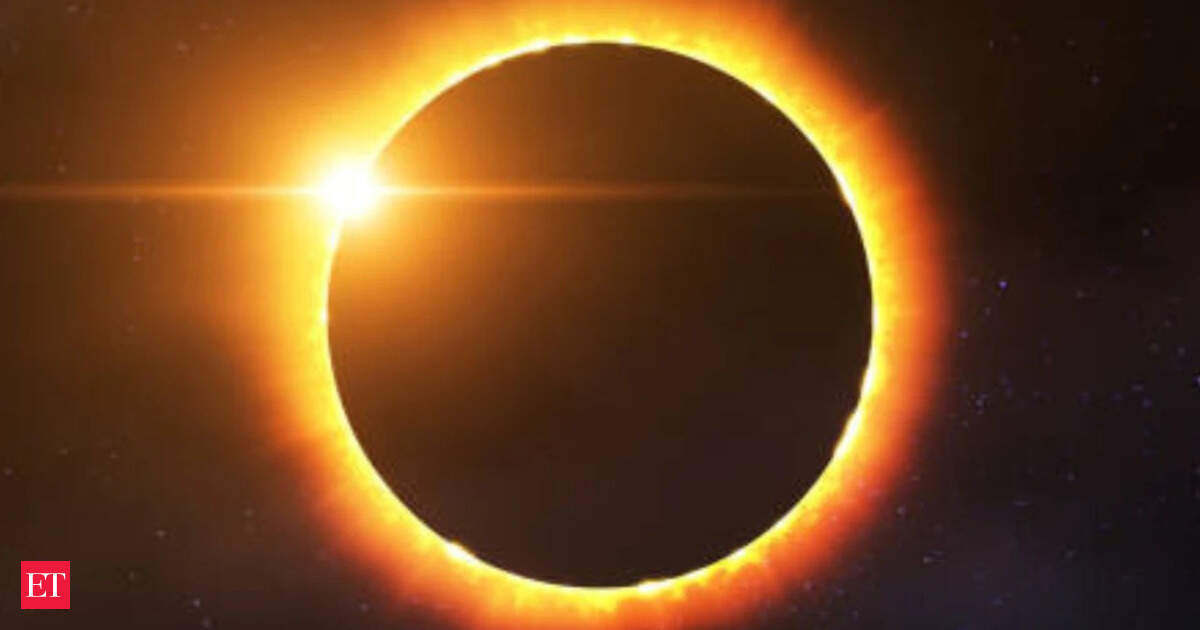
NASA launches rockets, balloons, and ground-based experiments for the 2026 total solar eclipse on Aug. 12, aiming to study the sun's corona and improve space weather predictions.
Continue with
NASA is preparing for the 2026 solar eclipse with a set of experiments designed to study the sun's corona and its effects on Earth's atmosphere. The agency plans to launch rockets, deploy high-altitude balloons, and coordinate ground-based observations across the path of totality, which will cross parts of North America and Europe.
The eclipse, set for Aug. 12, 2026, offers a rare window for scientists to observe the sun's outer atmosphere without the interference of direct sunlight. NASA's experiments will focus on measuring the temperature and magnetic field of the corona, as well as how the sudden drop in solar radiation during an eclipse affects the ionosphere.
"Each eclipse gives us a chance to ask questions we couldn't answer before," said Kelly Korreck, NASA's eclipse program manager. "The 2026 event will be the best opportunity we've had to study the corona in detail."