Stocks● Neutral
Strategic Wardrobe Allocations: Where to Splurge and Save
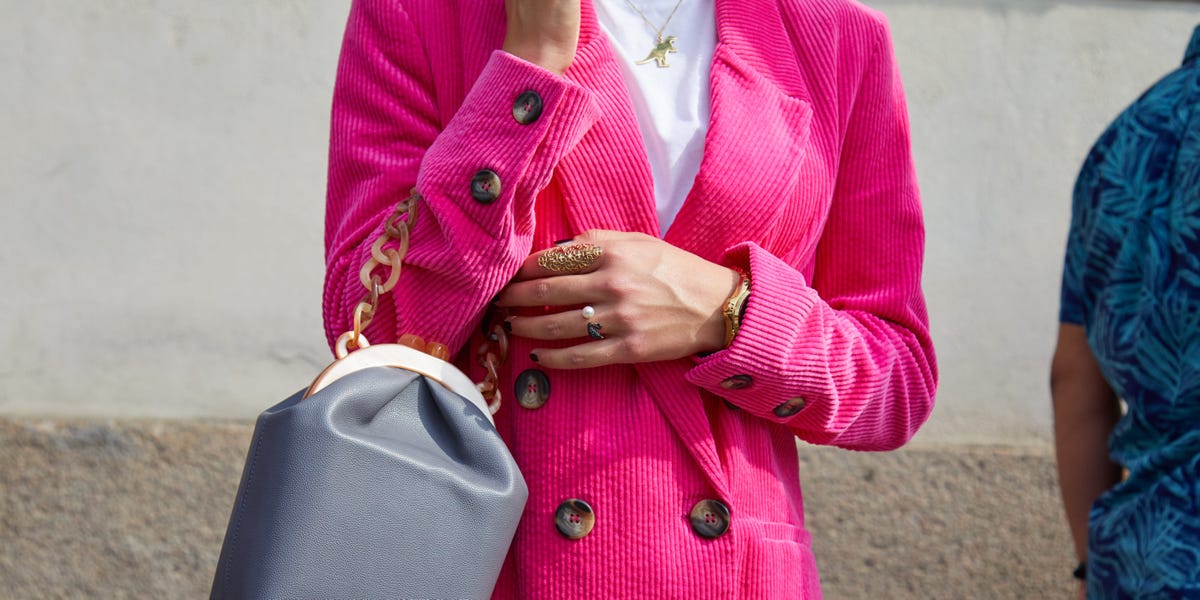
Prioritize quality for tailored blazers and leather footwear to maximize longevity. Use the cost-per-wear metric to optimize your budget for future seasons.
Continue with
The Economics of Your Closet
Building a high-quality wardrobe requires a disciplined approach to capital allocation. Not every garment earns a premium price tag through longevity or material quality. According to professional stylists, the secret to a polished appearance lies in identifying which assets provide long-term value and which are merely temporary trends that deflate in utility once the season passes.
Investors in their personal style often fall into the trap of overspending on items that depreciate rapidly. By shifting focus toward durable staples, you can curate a collection that remains functional for years rather than months.
Five Assets Worth the Premium
When allocating your budget, prioritize items that endure frequent use and define the structure of your outfit. These five categories justify a higher cost due to their construction and timeless utility:
- Tailored Blazers: A well-cut jacket serves as the foundation for both professional and casual environments.
- Leather Footwear: Quality leather ages better than synthetic alternatives and provides necessary comfort.
- Cashmere Knitwear: Natural fibers offer superior insulation and maintain their shape after repeated cleaning.
- Structured Handbags: These items undergo significant daily wear and require durable hardware.
- Classic Trench Coats: A staple of outerwear that provides consistent protection and style regardless of current fashion cycles.
"Some pieces are worth investing in and spending more money on to upgrade a look, but certain styles are better to buy at low prices," notes industry expertise.